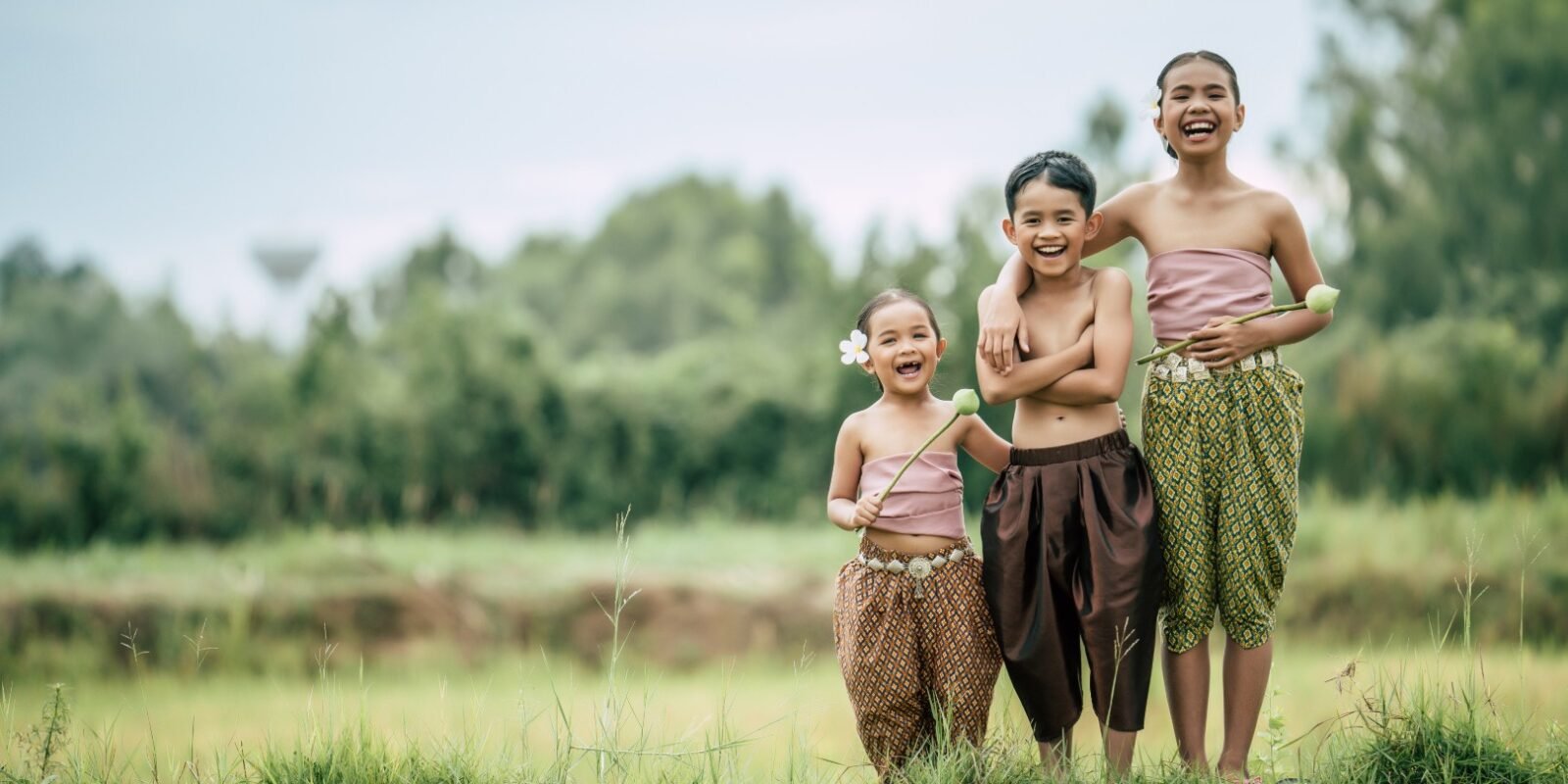
The first time you travel in Asia with kids, something shifts. This change might happen the morning your child feeds sugarcane to an elephant in a Thai sanctuary while jungle mist hangs over the valley. You might find it when you gather at a Vietnamese street food stall, sharing a tasty, nameless dish. Or it could happen when your ten-year-old stands in front of Angkor Wat at sunrise, falling quiet for the first time in memory.
Asia does that. It’s vast and full of variety. It can be a bit challenging, but for families who take the plunge, it’s incredibly rewarding.
Asia is our planet’s most culturally and topographically diverse continent. Couple this diversity with good transport connections and some relatively affordable travel, and it’s no wonder that many families look to Asia for their big adventure. But where to go? How to plan? What do you actually need to know before you land? This guide covers all of it.
Why Asia Is an Extraordinary Destination for Families
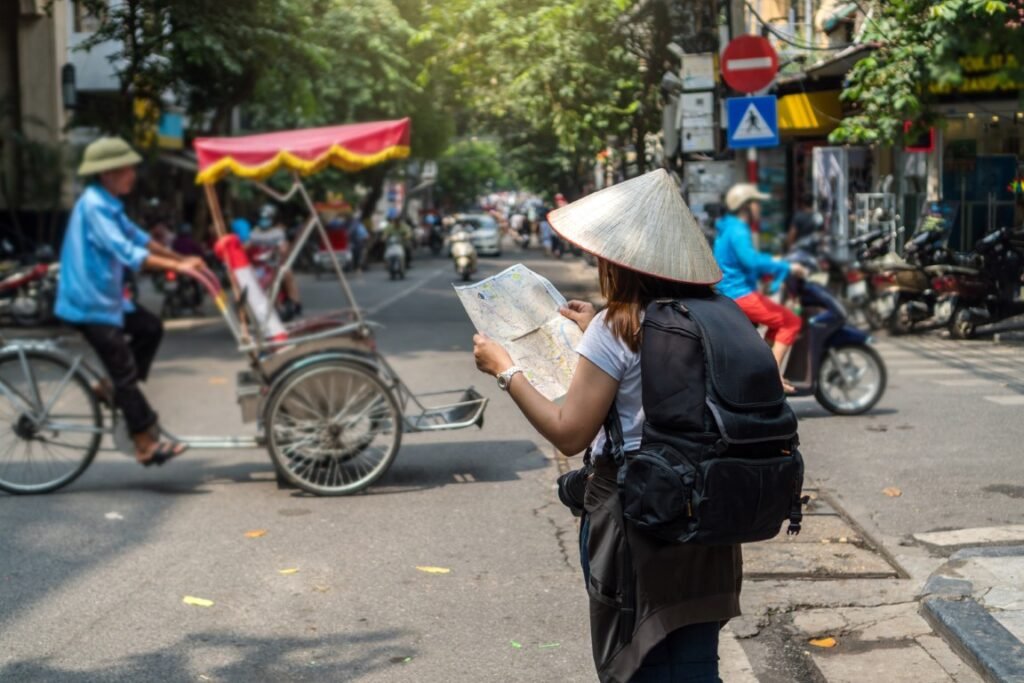
Asia works for family travel in ways that surprise parents who haven’t been. Food in Southeast Asia is often easy to enjoy, even for picky eaters. Thai, Indonesian, and Chinese dishes are favorites that kids love right away. Local people treat children, especially young ones, with amazing warmth. In Bali, restaurant staff will take your toddler for a walk around the restaurant while you eat in peace. In Japan, strangers hold doors, give up seats, and help with strollers without being asked. In the Philippines, families enjoy a type of hospitality that feels personal in every interaction.
The practical infrastructure of travel has also improved enormously. Major cities in Asia now boast great metro systems. They have lifts and family carriages on trains. Modern airports offer top-notch facilities. Plus, there are many family-friendly places to stay, from budget guesthouses to amazing resorts.
Asia offers something that many developed tourist spots can’t match: true novelty. Children from Europe or North America find unique sights in Asia. They see temples, bustling markets, diverse food, exotic wildlife, and stunning landscapes. These experiences have no equivalent back home. That novelty grabs children’s attention and keeps them engaged in ways parents can’t match elsewhere.
The Best Destinations for Family Travel in Asia
Japan: The Most Seamlessly Family-Friendly Country in Asia
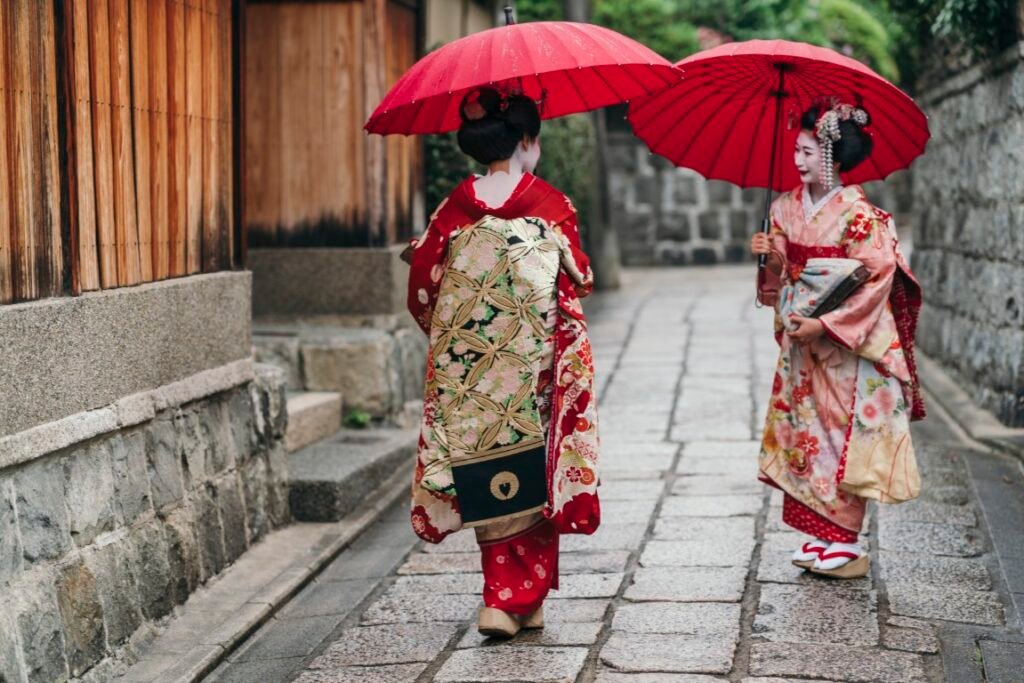
Japan solves the two biggest problems of family travel simultaneously: boredom and logistics. For the kids, they are stepping inside their favorite video games and cartoons — from Super Nintendo World to Studio Ghibli. For the parents, it offers a level of hygiene and order that feels genuinely miraculous. Public toilets are cleaner than most home bathrooms. Trains run to the exact second, and streets are safe enough for six-year-olds to walk to school alone.
Japan is clean and safe. It has one of the world’s best public transportation systems. The Shinkansen bullet trains connect visitors all over the country. Tokyo mixes modern and ancient. It showcases cutting-edge technology and fun entertainment. In contrast, Kyoto represents old Japan beautifully, featuring over 2,000 temples and shrines.
One of the best cities for kids, Tokyo’s highlights for children are extraordinary. The teamLab Planets digital art museum is truly one of a kind. Visitors walk through knee-deep water while enjoying digital koi fish projections. It’s an experience unlike any other. The Ghibli Museum delights any family with a Studio Ghibli fan. DisneySea’s new Fantasy Springs zone, opened in 2024, consistently receives outstanding reviews. The Miraikan science museum in Odaiba is fun and interactive. It’s perfect for kids who are curious about technology.
Kyoto offers a unique experience. Fushimi Inari’s ancient temples, Arashiyama’s bamboo groves, and Gion’s geisha district teach kids that history can be beautiful and lively. It’s more than just facts to memorize. The Japan Rail Pass for families offers unlimited train travel, with children under six riding free.
Best for: All ages; families who love both technology and history; first-time Asia travellers wanting high infrastructure; food adventurers.
Don’t miss: teamLab Planets and Ghibli Museum in Tokyo; Fushimi Inari in Kyoto; an ethical elephant or deer encounter in Nara.
Thailand: The Classic First Asia Trip for Families
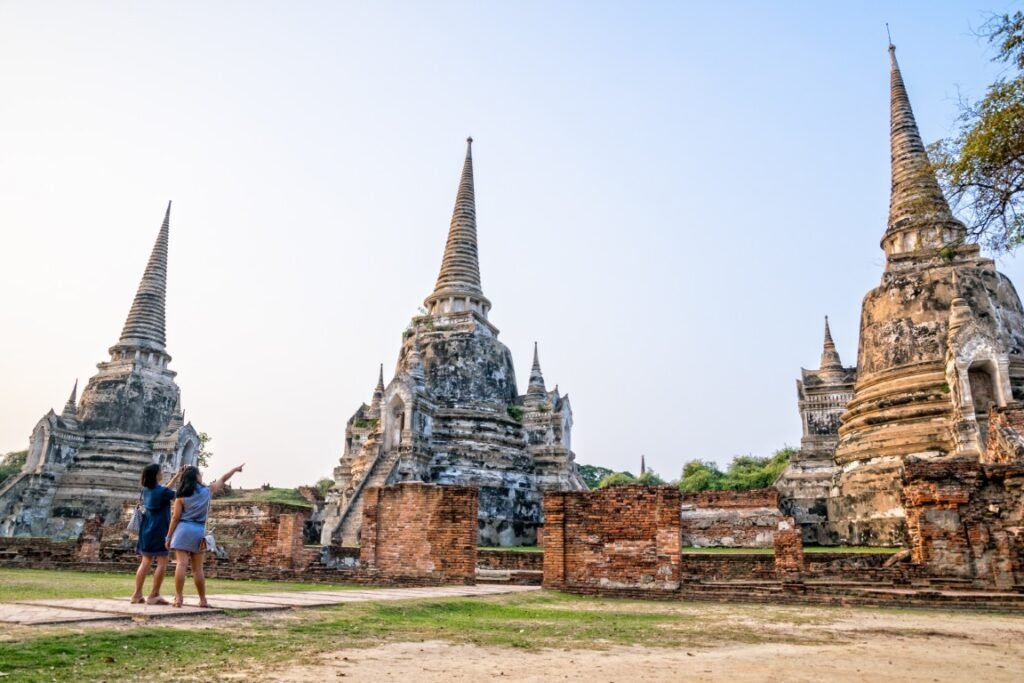
Thailand is the perfect first family destination in Southeast Asia. Families that think it’s “too touristy” are mistaken. It’s very welcoming, truly affordable, and always beautiful. Plus, it offers fun experiences for kids of all ages.
Bangkok rewards families who approach it actively. The Grand Palace and Wat Pho’s enormous reclining Buddha produce reliable awe. Boat rides on the Chao Phraya River give children a sense of the city’s scale. The markets—like Chatuchak Weekend Market and the floating markets—offer sensory adventures. Older kids and teens find them truly captivating.
Chiang Mai in northern Thailand is a particular favorite for families. Visiting an ethical elephant sanctuary offers a powerful experience. Here, riding is not allowed. Instead, children can feed, mud-bathe, and wash the elephants. It’s one of the most enriching wildlife encounters around. Thai cooking classes for families, temple visits, and nearby mountains offer a rich city experience.
The southern islands deliver some of the finest family beach experiences in the world. Koh Samui’s Silver Beach has no waves and shallow water all the way out — perfect for toddlers. Phuket’s Bang Tao and Mai Khao resort areas combine beautiful beaches with full-facility family resorts. Speedboat tours to the Phi Phi Islands let kids see colorful fish in clear water. They don’t even need a snorkel mask!
Khao Sok National Park, in southern Thailand, deserves particular mention. Staying in floating bungalows on Cheow Lan Lake is a unique family experience in Asia. You can swim and kayak right from your private dock. Also, you might spot monkeys and wild elephants on a boat safari.
Best for: All ages; first-time Southeast Asia with kids visitors; beach and wildlife families; those seeking excellent value.
Don’t miss: An ethical elephant sanctuary in Chiang Mai; Khao Sok National Park’s floating bungalows; Koh Samui’s family-friendly beaches; a Bangkok temple and boat day.
Bali, Indonesia: Affordable Luxury and Balinese Warmth
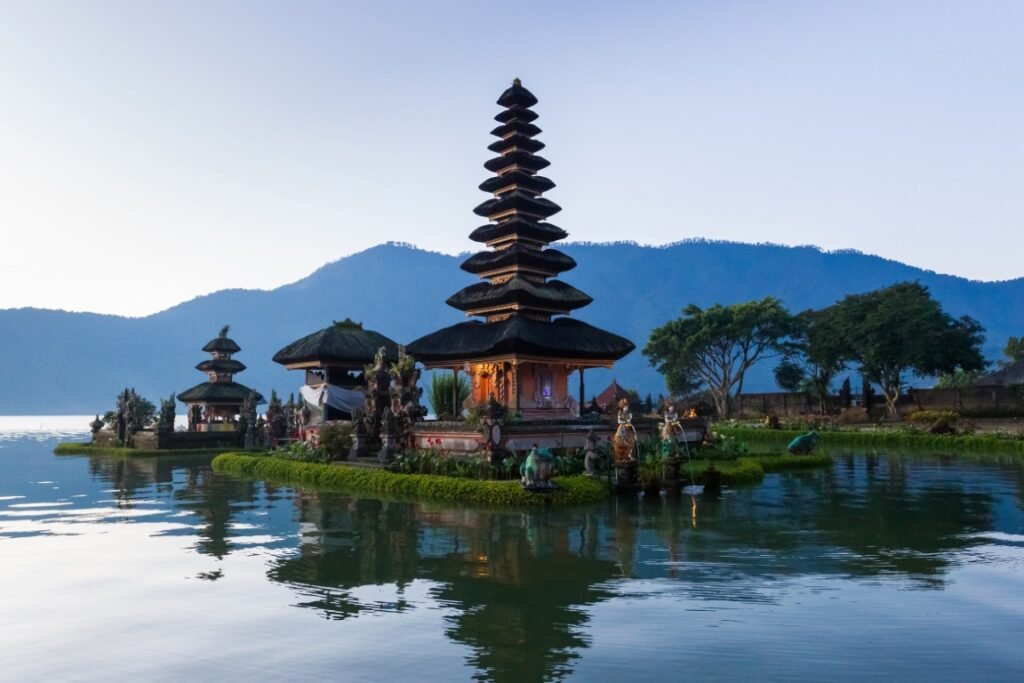
Bali is a very popular choice for family travel in Asia — and the popularity is earned. The Balinese people are incredibly warm toward children. Affordable luxury includes fine dining, private villas, and professional nannies. This makes it accessible at a price that’s hard to find in Europe or North America. The landscape is amazing. It features rice paddies, volcanic peaks, jungle rivers, and stunning temples.
In Seminyak and nearby areas, families can enjoy it all. They have waterparks like Waterbom, trampoline parks, beach clubs with safe swimming spots, and cooking classes. Ubud, the cultural heart of the island, is great for families with older kids. The Sacred Monkey Forest Sanctuary is a must-see. Traditional Balinese dance shows are amazing, and the lovely countryside is perfect for cycling.
Bali is a great place for families who want to stay longer. It’s perfect for those who want to settle in, not just rush around. Villa culture offers private pools, household staff, and spacious communal gardens. These features make family stays very comfortable. For families planning a week or more in one location, Bali offers a quality of family life that’s very hard to replicate elsewhere.
Two honest points: traffic in Bali’s southern tourist spots can be truly frustrating. Also, some beaches have visible litter. Staying in the north (Lovina’s black sand beaches) or choosing resorts carefully in the south largely addresses both issues.
Best for: All ages; families wanting affordable luxury; longer stays; beach and cultural combinations.
Don’t miss: An ethical wildlife encounter, a Balinese cooking class, the rice paddies around Ubud, and Waterbom water park for older children.
Singapore: The Perfect Asia Gateway for Families
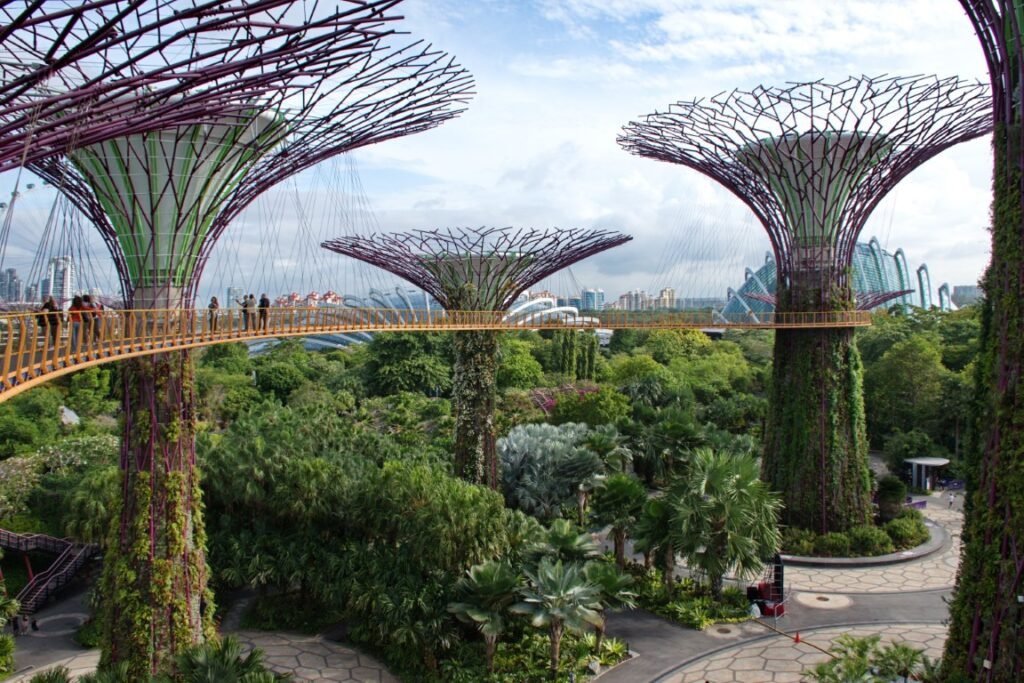
Singapore is a modern city-state. It stands out for its cleanliness, safety, and family-friendly design. English is commonly spoken. The MRT subway system includes elevators at each station. This thoughtful design makes traveling with children hassle-free.
Gardens by the Bay features stunning Supertrees. The indoor Cloud Forest and Flower Dome conservatories are also remarkable. The Singapore Zoo — consistently rated among the best in the world — houses animals in open, naturalistic enclosures. The Night Safari, the world’s first nocturnal wildlife park, is genuinely unlike any zoo experience elsewhere. Universal Studios Singapore on Sentosa Island delivers theme park thrills for older children. KidZania, the interactive role-play city, is a favorite for ages four to twelve.
Singapore’s hawker centers are large, open-air food courts. They offer tasty and affordable meals from many stalls. This makes family meals casual, diverse, and great. Even the most selective child will find something to love.
Singapore is the top choice for families new to Asia. It combines rich culture with a smooth travel experience. Here, logistical challenges fade away, making it easy to explore with kids.
Best for: All ages; families new to Asian travel; those wanting world-class attractions with zero logistical stress.
Don’t miss: Gardens by the Bay’s evening show, the Singapore Zoo and Night Safari, Universal Studios for older children, and an evening hawker center meal.
China: Ancient Wonders, Futuristic Cities, and Giant Pandas
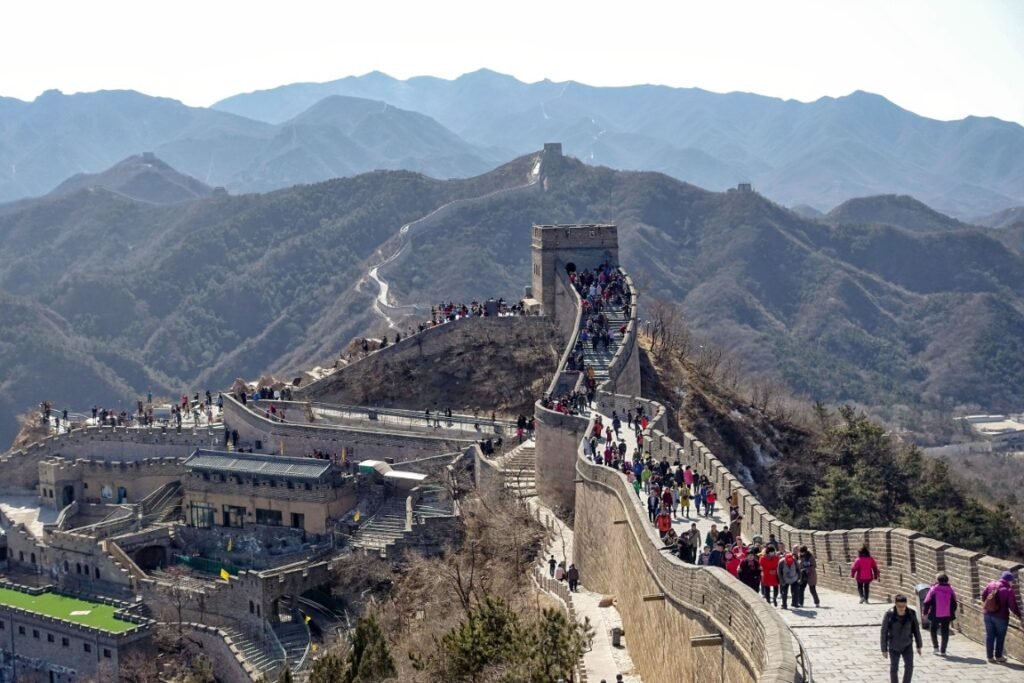
China is an amazing place for family travel. It’s huge and full of variety. You can visit ancient monuments, see a futuristic skyline, and meet giant pandas in bamboo forests. Fast trains connect it all, making travel easy and fun. It takes more planning than many Asian spots. But families who prepare well return with unique experiences.
Hong Kong is the ideal entry point for families new to Chinese travel. It showcases China’s rich culture with clear English signs. The world-class metro has lifts at every major station. This familiar infrastructure makes moving around easier than in Mainland China. Hong Kong Disneyland is a natural family hit. Ocean Park — combining a theme park with marine life exhibits, whale sharks, and an aquarium — is genuinely excellent for all ages. The Peak Tram, the Star Ferry, and Temple Street’s night market offer families a real experience. It goes far beyond just the theme parks.
Beijing is where China’s history lands with its full, extraordinary weight. The Forbidden City is the largest palace complex in the world. It housed 24 emperors for over 500 years. Kids who know some of its history find it truly awe-inspiring. The undisputed highlight for families is the Great Wall. Beijing’s high-speed rail links to Shanghai make it easy for families to travel together. Plus, kids under six ride free on China’s trains.
Shanghai is a city full of China’s exciting contradictions. Kids can see a 400-year-old garden just a short walk from the world’s second-tallest building. Shanghai Disneyland is Asia’s largest Disney park. The Enchanted Storybook Castle is the biggest Disney castle in the world. Also, the TRON Lightcycle Power Run coaster is thrilling for older kids. The Bund’s riverside promenade is best walked in the early morning when tai chi practitioners have the waterfront largely to themselves, giving children a memorable introduction to Shanghai’s grandeur. Yu Garden, a classical Ming Dynasty garden in the city’s old quarter, is beautiful and stroller-accessible in most areas, and the surrounding Yuyuan Bazaar is the perfect place to introduce children to xiaolongbao soup dumplings. Shanghai’s metro is efficient and stroller-friendly at most stations.
A few practical notes specific to China: a VPN is strongly recommended for accessing Western apps and services — download and configure it before you arrive, as downloading is restricted inside China. Google Maps does not function well in Mainland China; use Apple Maps or download Baidu offline maps. The DiDi ride-hailing app is the Mainland equivalent of Uber and is excellent. Visa requirements vary significantly by nationality, so check carefully well in advance. Hong Kong operates under a separate visa regime from Mainland China. Spring (April–June) and autumn (September–November) are the best seasons to visit; summer is very hot and humidity can be punishing, particularly in the south.
Best for: Children aged 7 and up; history-focused families; those combining ancient culture with futuristic modernity; panda enthusiasts; families with an appetite for logistical planning rewarded by extraordinary experiences.
Don’t miss: The Great Wall at Mutianyu (toboggan run is non-negotiable); the Forbidden City in Beijing; Shanghai Disneyland; the Bund at dawn; Hong Kong’s Ocean Park as a family-friendly entry point to Greater China.
Vietnam: Culture, History, and Extraordinary Landscapes
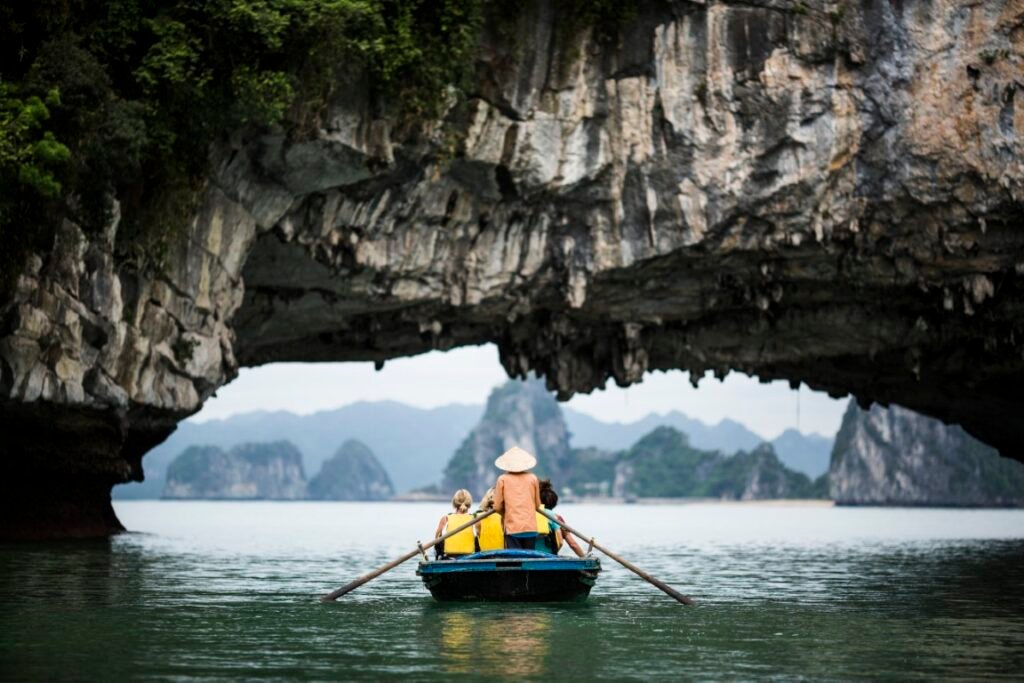
Vietnam is ideal for families who want adventure and local culture alongside their beaches. It’s budget-friendly. Transportation between cities is simple with domestic flights and sleeper trains. Vietnam boasts incredible diversity. You can explore modern cities such as Ho Chi Minh City and Hanoi. There’s also the historic beauty of Hoi An’s old town. The breathtaking karst scenery of Ha Long Bay is unforgettable. Plus, the beach towns of Phu Quoc and Da Nang offer great relaxation.
Ha Long Bay is a UNESCO World Heritage Site. It features thousands of limestone islands rising from emerald waters. This stunning destination is one of Asia’s best. The overnight cruise format is also great for kids. Hoi An’s old town, lit by lanterns, is a family favorite. Bike rides through rice paddies and top-notch cooking classes add to the charm. Street food in Vietnam is cheap and tasty. Kids especially love dishes like banh xeo crispy pancakes and pho.
Vietnam is better for families with older kids, around six and up. This is because of its rich history and culture. Also, the quality of walking paths in cities can vary. That said, beach destinations like Phu Quoc offer resort-style relaxation that works for all ages.
Best for: Families with children aged 6 and up; history-interested families; those wanting culture and beaches in combination; budget-conscious travellers.
Don’t miss: Ha Long Bay overnight cruise, Hoi An’s lantern-lit old town and cooking classes, and a street food evening in Hanoi’s Old Quarter.
Cambodia: Ancient Temples and Cultural Depth
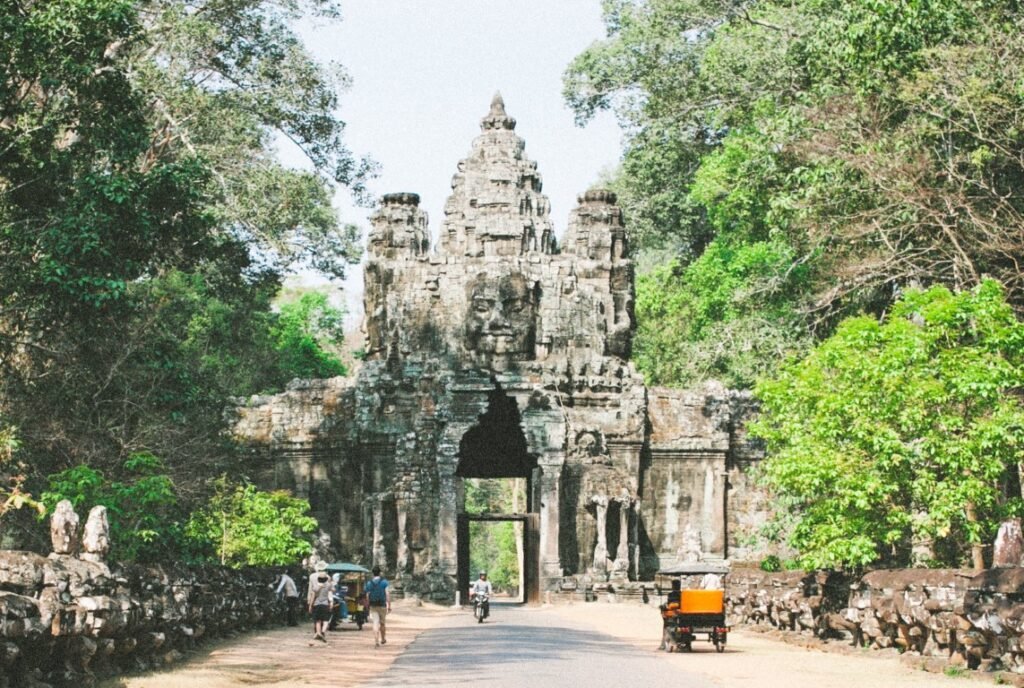
Cambodia rewards families who are ready for something genuinely extraordinary. Angkor Wat, the largest religious monument in the world, inspires awe in children. Parents often try to create this feeling through museums and history lessons. A sunrise visit to Angkor Wat is truly special. The temple reflects in the moat, and the sky glows pink and gold above the towers. It’s one of the most touching family experiences you can have.
Siem Reap offers more than just Angkor. It has family-friendly restaurants and places to stay. You can also find fun activities for kids, like cooking classes, circus shows, and guided bike tours through nearby villages. The Cambodians are some of the friendliest people in Southeast Asia. They love to stop and chat about kids. Their friendly kindness makes families feel truly welcomed, not just tolerated like tourists.
Cambodia is great for families with kids aged seven and older. They can enjoy, or at least handle, long visits to temples. The heat and humidity can be tough for young kids. So, early morning visits to the temple and afternoon pool time are the best daily routine.
Best for: Families with children aged 7 and up; history and temple enthusiasts; cultural immersion families.
Don’t miss: Sunrise at Angkor Wat, a bicycle tour through the surrounding villages, and a Cambodian cooking class in Siem Reap.
Malaysia: Cultural Diversity and Exceptional Infrastructure
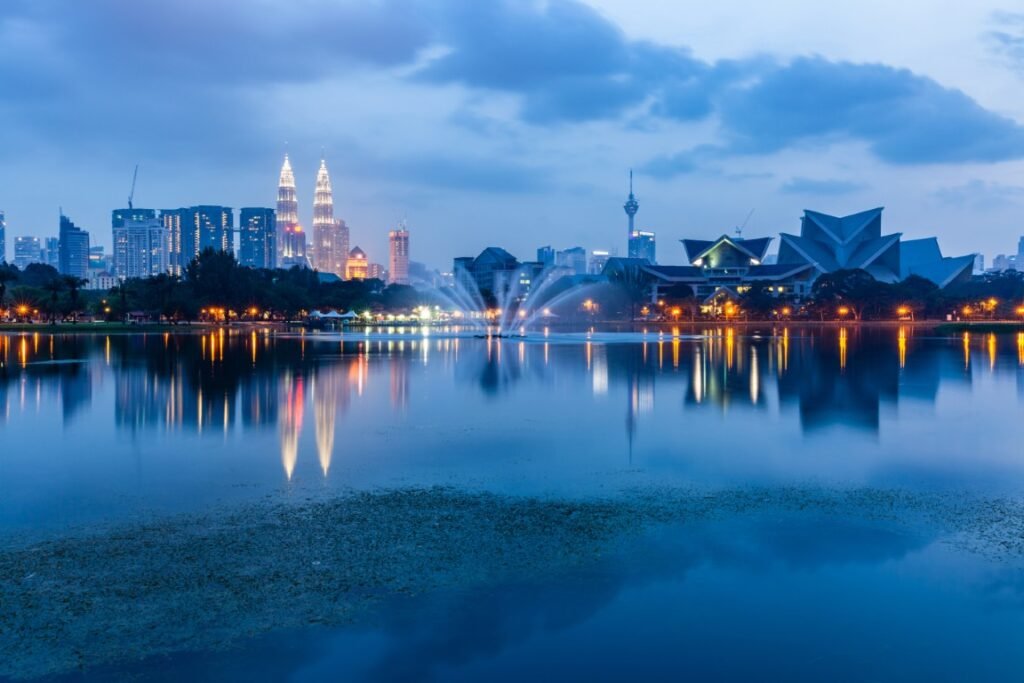
Malaysia has something rare: a rich mix of Malay, Chinese, Indian, and British traditions. These cultures have lived and worked together for centuries. Kids can see incense smoke from a Chinese temple, hear a mosque’s call to prayer, and smell Indian food from a nearby restaurant—all on the same block. This cultural richness is truly educational and interesting for kids of all ages.
Kuala Lumpur is a great city for families with young kids. It has great pavements, top-notch shopping malls with indoor playgrounds, and easy public transport. The Batu Caves near KL are a stunning Hindu temple complex in a limestone cave. You can reach them by climbing 272 steps. It’s an amazing and easy cultural experience. Petronas Twin Towers, one of the world’s most recognizable skylines, delights children with its sheer scale.
Beyond KL, the island of Langkawi offers beautiful beaches, cable car rides, and eagle feeding from boats. Sabah in Malaysian Borneo is amazing for wildlife. You can see orangutans at the Sepilok Rehabilitation Center. Pygmy elephants roam the Kinabatangan River. Also, proboscis monkeys live in the mangroves. These encounters are unique and found nowhere else.
Best for: All ages; cultural exploration families; wildlife enthusiasts (Borneo); those wanting excellent infrastructure alongside cultural depth.
Don’t miss: Batu Caves and Petronas Towers in KL; the Sepilok Orangutan Rehabilitation Centre and Kinabatangan River in Borneo; Langkawi’s beaches and cable car.
The Philippines: Island-Hopping Paradise and Some of the World’s Most Beautiful Beaches
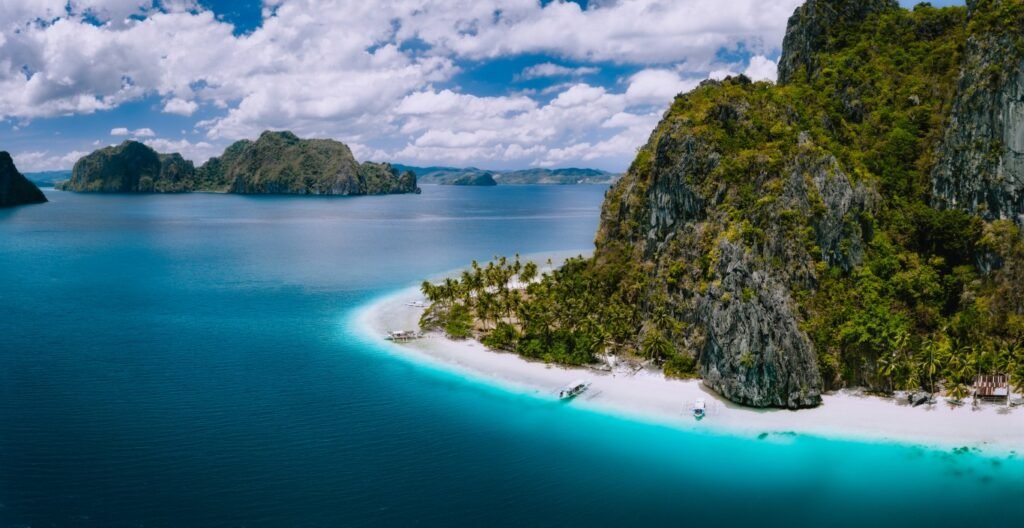
The Philippines is a stunning and often overlooked family spot in Asia. With over 7,600 islands, its waters are so clear that children can see colorful fish right from the surface. The beaches are some of the best globally, and the friendly Filipino people welcome families warmly, making everyone feel at home.
Boracay is the most immediately family-friendly island. White Beach, its famous 4km stretch of powdery white sand lapped by calm, turquoise water, is one of the great beach experiences in Asia. In 2019, a major clean-up improved the island. It now has organized resort facilities, a variety of family accommodations, and safer water conditions for younger swimmers. Sunset cruises and paddleboarding provide fun options. Plus, quiet northern beaches like Puka Shell Beach and Tambisaan are great for relaxing away from the busy main beach strip.
Palawan is a different proposition altogether — for families with slightly older children (seven and up) and an appetite for adventure, it is simply extraordinary. El Nido, at the northern tip of Palawan, is the gateway to El Nido Marine National Park. This park features limestone islands, hidden lagoons, and secret beaches. You can reach these spots through narrow gaps in the cliffs. The crystal-clear waters offer great snorkeling, revealing a stunning underwater world that delights kids. Island-hopping boat tours define the El Nido experience. You can often set up private family tours for the same price as joining a group. This is a great upgrade, especially with young kids. The Puerto Princesa Underground River, a UNESCO World Heritage Site, is one of the longest navigable underground rivers. Its cave experience is truly awe-inspiring.
Bohol offers yet another dimension for wildlife-focused families. The Philippine Tarsier Sanctuary shows off one of the world’s smallest primates. These tiny, big-eyed creatures captivate kids right away. The Chocolate Hills, a geological formation of more than 1,200 perfectly cone-shaped mounds stretching across the landscape, are unlike anything children have seen before. Cebu, a short hop from Bohol, offers whale shark watching in Oslob and excellent island-hopping options.
Two practical notes for families: In the Philippines, you’ll need to island-hop by flight or ferry. This means you must plan logistics more carefully than for single-island trips. And while the Philippines is very welcoming to families, bring your own children’s life jackets for boat activities — suitably sized ones can be genuinely difficult to source on the ground.
The best time to visit is the dry season, which runs from November to May. February to April has the best conditions on most islands.
Best for: Families with children aged 5 and up; beach and marine life enthusiasts; island-hopping adventurers; those wanting some of Asia’s most spectacular coastal scenery.
Don’t miss: Boracay’s White Beach for families with younger children; El Nido’s island-hopping tours in Palawan; the Puerto Princesa Underground River; tarsier spotting in Bohol.
Practical Advice for Traveling in Asia With Kids
Health and Safety
The health considerations for travel in Asia with kids are manageable with good preparation. Visit a travel health clinic six to eight weeks before your trip. Get age-appropriate vaccines and advice on antimalarial medication if needed. Pack a complete first aid kit. Include fever medication, oral rehydration sachets, antiseptic, and any prescription meds your kids need.
Food safety is the most common concern. In places like Singapore, Japan, and big cities in Southeast Asia, street food hygiene is usually great. Eat where locals line up; a busy spot means fresh food. Carry hand sanitizer and wet wipes, and encourage children to use them before eating. Stay hydrated, particularly in the tropical heat of Southeast Asia, and use bottled or filtered water consistently.
Japan, Singapore, and Taiwan are exceptionally safe destinations for families. Southeast Asia, including Thailand, Vietnam, and Bali, is usually safe for families. Just take basic precautions against petty theft and be careful when crossing roads.
Getting Around
Asia’s transport options are one of its great pleasures. In Japan, riding the Shinkansen bullet train is a unique experience. Kids love its speed and on-time arrivals. Singapore’s MRT metro is spotless and stroller-accessible. Bangkok’s BTS Skytrain and MRT metro navigate the traffic effortlessly. Vietnam’s domestic flights are excellent value. Overnight sleeper trains between Vietnamese cities are a family adventure.
In Southeast Asia, tuk-tuks in Thailand, jeepneys in the Philippines, cyclos in Vietnam, and ferries between islands add genuine adventure to getting around. Local transport is often one of the things children remember most vividly.
Be aware that car sickness can be a significant issue on winding roads in northern Thailand, Vietnam’s mountain regions, and Bali’s interior roads. Carry medication if any family member is susceptible, and choose seat positions carefully.
Packing for Southeast Asia for Kids
Pack light, natural-fiber clothes for warmth and cultural respect. Modest attire is needed for temple visits in Thailand, Cambodia, and Bali. Pack high-factor sunscreen, as finding children’s SPF can be tough in some places. Also, bring insect repellent for kids and comfy closed-toe shoes for exploring temples and caves. A lightweight rain layer is essential for the afternoon showers that characterize much of Southeast Asia.
Each child gets a small backpack. It holds a book, small toys, snacks, and a water bottle. This way, they feel in charge of their travel. Plus, it helps keep you calm during the journey.
Pacing and Itinerary Planning
The most important practical advice for traveling in Asia with kids is this: do less than you think. Limit activities to one or two major attractions per morning, leave afternoons free for rest, and build in rest days between travel days. Incorporate beach or pool time every few days as a physical and emotional reset. Children need more downtime than adults, and Asia’s heat demands it.
City combinations that work particularly well include Bangkok + Chiang Mai + a southern island for Thailand; Singapore + Bali for first-time southeast asia with kids travellers; and Tokyo + Kyoto + Hiroshima for Japan. For China, the classic family itinerary is Hong Kong as the entry point, followed by Beijing (Great Wall, Forbidden City) and Shanghai (Disneyland, the Bund), all connected by high-speed rail. Multi-country itineraries are deeply rewarding — the combination of Thailand, Malaysia, and Singapore in particular gives families a compressed experience of Southeast Asia’s extraordinary diversity.
Quick Reference: Asia Family Destinations at a Glance
| Destination | Best Ages | Standout for Kids | Budget Level |
|---|---|---|---|
| Japan | All ages | Ghibli Museum; teamLab; bullet trains | $$$ |
| Thailand | All ages | Elephant sanctuaries; beaches; floating bungalows | $ |
| Bali, Indonesia | All ages | Affordable luxury; Balinese warmth; villas | $ |
| Singapore | All ages | Singapore Zoo; Gardens by the Bay; Night Safari | $$$ |
| Vietnam | 6+ | Ha Long Bay; Hoi An; cooking classes | $ |
| Cambodia | 7+ | Angkor Wat; Cambodian culture; friendly people | $ |
| Malaysia | All ages | Cultural diversity; orangutans in Borneo | $ |
| Philippines | 5+ | Boracay beaches; El Nido island-hopping; tarsiers | $ |
| China (HK/Beijing/Shanghai) | 7+ | Great Wall; Forbidden City; Shanghai Disneyland; pandas | $$ |
Traveling in Asia with kids is one of the most transformative things you can do for your family. The continent is huge and diverse. No single trip can cover it all. Still, every journey changes families. Children grow, and parents see that the world is bigger, more beautiful, and friendlier than they ever thought at home.
Start where your family feels most comfortable. Pick Japan or Singapore for top-notch infrastructure. Choose Thailand for a classic experience. Opt for Bali if you want affordable luxury. Select the Philippines for stunning beaches. Visit China if your family is ready for one of the most genuinely awe-inspiring travel experiences on earth. And then keep going. Asia becomes more than a destination; it becomes a habit. Each trip uncovers new layers of this truly extraordinary continent.