This guide is part of our Family Safari Holidays series.
Here’s the thing nobody tells you about a South Africa family safari before you book one: it doesn’t feel like planning a safari. It feels like planning a holiday. And that’s meant as a compliment.
Most African safari destinations require a certain degree of logistical courage. Organizing malaria meds is one task. Flying long distances to remote airstrips is another. Dealing with age limits for younger family members adds to the feeling, too. You’re truly entering the wilderness, which brings its own challenges. South Africa is different. It features all the wildlife, including the Big Five. You can experience amazing game viewing and stunning scenery. Yet, the infrastructure is modern and family-friendly, welcoming visitors of all ages and sizes.
South Africa ranks as the top family safari spot in Africa. Many families visit for the safari but also explore Cape Town’s penguins and drive the Garden Route—all in one trip.
Why South Africa Is the Best Family Safari in South Africa
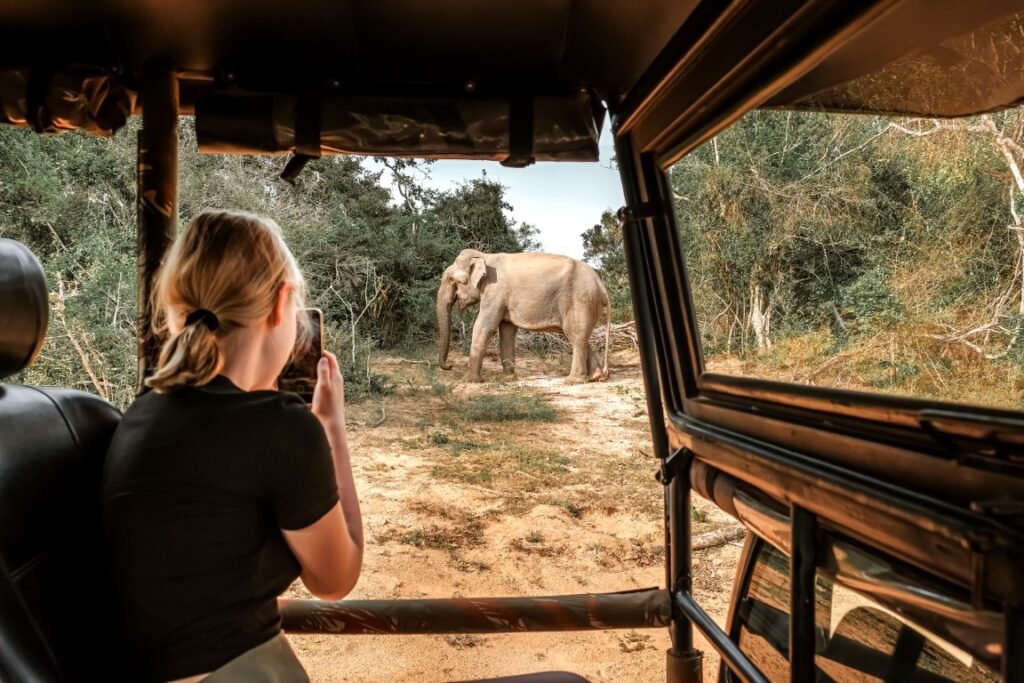
South Africa doesn’t win on a single thing — it wins on everything simultaneously. World-class Big Five game viewing, malaria-free reserves, and a solid self-drive network make it great for families. Plus, modern infrastructure and a diverse range of non-safari experiences add to its charm.
The malaria question alone sets South Africa apart. In East Africa and Botswana, everyone in the family often needs antimalarial medication. This means figuring out dosages for kids, handling side effects, and ensuring everyone takes their meds. In contrast, South Africa has many great reserves where malaria isn’t a problem at all. For parents of very young children, this is not a minor consideration. It’s often the deciding factor.
South Africa also scores highly on logistics. Direct international flights serve Johannesburg and Cape Town. The road network is genuinely good. Game reserves are within a few hours’ drive of major cities. You can choose from different types of accommodation. There are self-catering chalets in national parks. Also, there are luxury lodges with kids’ clubs and childminders. This variety gives families of all budgets and tastes a great way to enjoy a memorable safari.
The Best Regions for a South Africa Family Safari
Malaria-Free Reserves: The Smart Starting Point
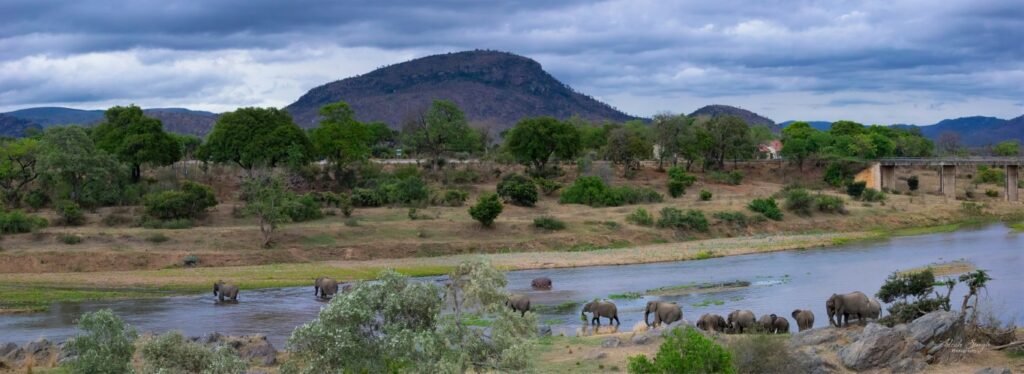
For families with kids under 10, or anyone wanting to avoid malaria, South Africa’s malaria-free reserves are the best place to start in Africa. They offer real Big Five game viewing. This experience avoids the health issues linked to safaris in East Africa or northern South Africa.
Madikwe Game Reserve, in the North West province bordering Botswana, is one of the crown jewels. It’s South Africa’s fifth-largest game reserve. It has over 13,000 animals. This includes the “Magnificent Seven”: elephants, rhinos, buffalos, cheetahs, leopards, lions, and African wild dogs. Wild dog sightings here are among the best in the country. Family lodges in Madikwe are truly exceptional. Some provide separate game drives for kids aged 5 to 12. Rangers adjust their talks to keep young minds engaged and excited. Childminding services, early dinners for kids, and clubs let parents enjoy game drives and evenings. They can relax without worrying about tired little ones.
Pilanesberg National Park is just two hours from Johannesburg. It’s a great malaria-free choice, especially for families. This park works well for those who want a quick safari and a city visit or have limited time. It’s South Africa’s fourth-largest national park. It sits in an ancient volcanic crater, creating a varied and striking landscape. Self-drive is allowed, giving families flexibility. There are many family-friendly lodges near the park boundary.
Kwandwe Private Game Reserve and Shamwari Game Reserve are both malaria-free. They are located in the Eastern Cape and are easy to reach from the Garden Route. Kwandwe offers hands-on conservation experiences for older kids and adults. One highlight is rhino notching. This rare activity makes wildlife protection feel real and urgent, not just an abstract idea.
The Waterberg region in Limpopo is only 2.5 to 3 hours from Johannesburg. It features beautiful, malaria-free game viewing and striking landscapes of plateaus and ravines. Properties like Ant’s Nest and Jembisa are favorites for families. They offer a relaxed, exclusive vibe and great equestrian programs. Kids can ride horses through the African bush, enjoying the wildlife along the way.
Best for: Families with children under 10; any family wanting to avoid malaria medication; first-time safari families.
Kruger National Park and the Greater Kruger Private Reserves
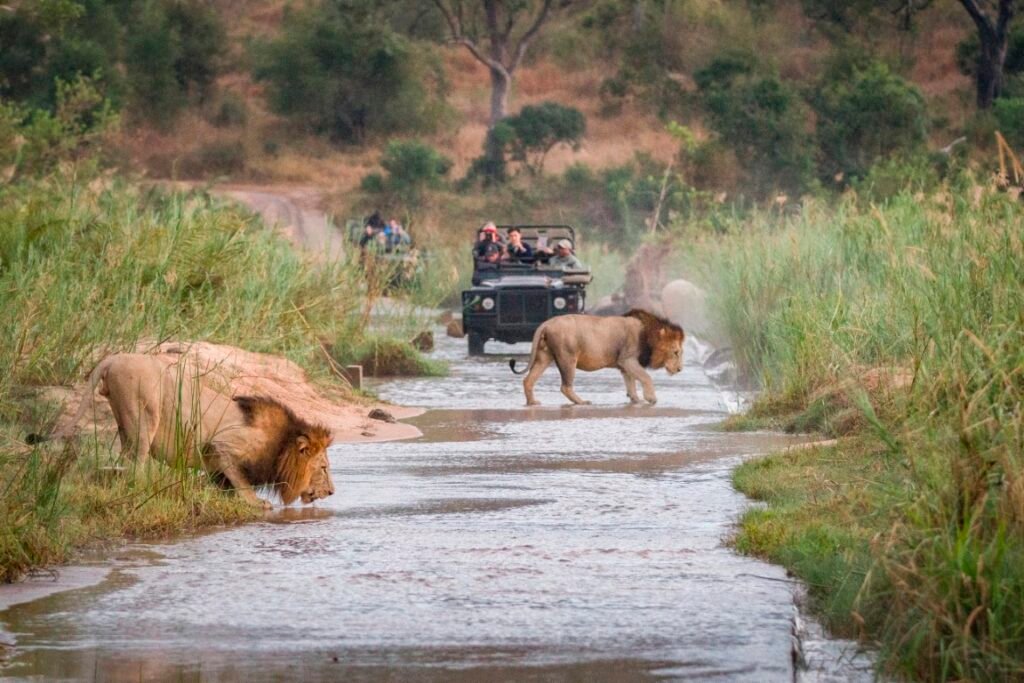
When kids are ready for long game drives, Kruger and nearby private reserves provide an amazing Big Five safari in South Africa. It’s one of the best experiences in the world.
Kruger National Park is huge, covering almost 20,000 square kilometers. It’s easy to explore by yourself and is budget-friendly for private lodges. Families can book self-catering chalets in the park. They can set their own daily schedule. They can enjoy quiet drives through the bush at their own pace. They can stop at waterholes and scan acacia trees for leopards. Plus, there’s the thrill of seeing lions on a dirt road, with just an open window between you and them.
The private concessions on Kruger’s western edge are Sabi Sand, Timbavati, Thornybush, and Klaserie. They offer more wildlife and better places to stay. The Sabi Sand Game Reserve, which shares an unfenced border with Kruger, is world-famous for its leopard sightings. In these private reserves, you can drive off-road. Experienced rangers lead game drives in open vehicles. This creates close, high-quality wildlife encounters that self-driving can’t match.
Many families combine both options. They self-drive in Kruger for flexibility and savings. Then, they spend nights at a private lodge for guided tours and better wildlife views.
Age restrictions vary by lodge in the private reserves — some welcome children from age 6, others from age 8 or 10. Always verify the policy for your children’s ages before committing to a property.
Best for: Families with children aged 6 and up; serious wildlife enthusiasts; those combining self-drive independence with guided luxury.
Addo Elephant National Park and the Eastern Cape
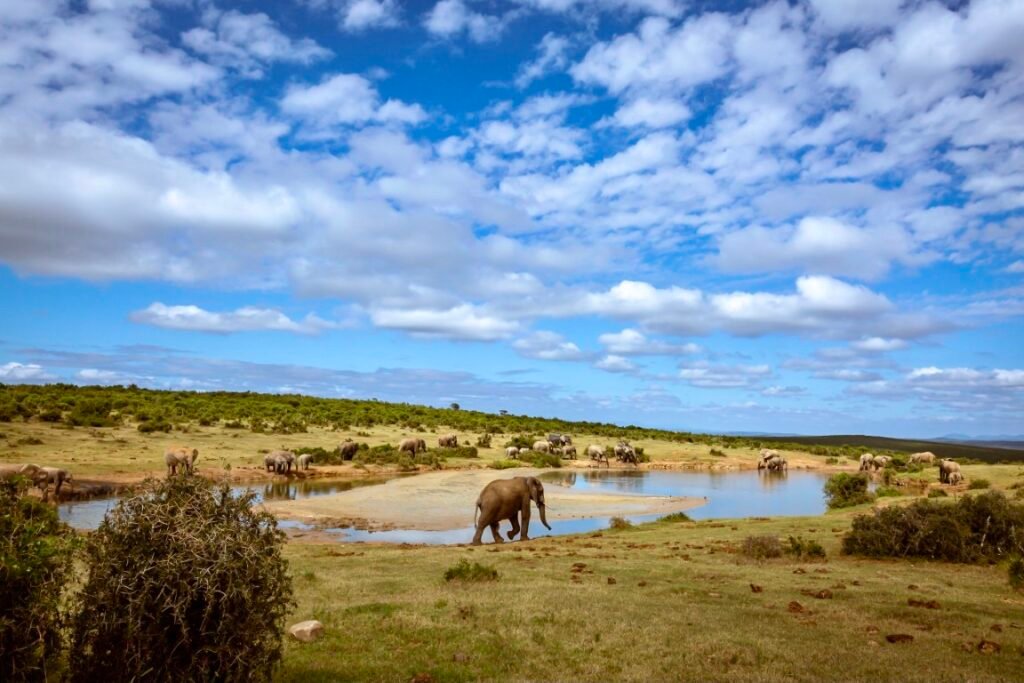
The Eastern Cape is home to some of the best family safari holidays South Africa offers, and Addo sits at the center of them. The park has one of Africa’s largest elephant populations—about 600. It’s in a malaria-free area and is easy to reach from Gqeberha (Port Elizabeth) and the Garden Route. Addo is the only national park in South Africa with the Big Seven. This includes the great white shark, the southern right whale, and the terrestrial Big Five.
The real charm of the Eastern Cape for families is how easily Addo connects with the Garden Route.
This well-known coastal area highlights:
- Hermanus, where you can watch whales and see African penguins.
- Knysna, perfect for walks by the lagoon and in the forest.
- Tsitsikamma, famous for its indigenous forest and suspension bridges.
- Jeffreys Bay, a hotspot for surf culture and sandy beaches.
A family itinerary through Cape Town, the Garden Route, and ending at Addo offers a unique South African experience all in one trip.
Best for: Families combining safari with the Garden Route; all ages; the Eastern Cape as a standalone malaria-free safari destination.
Cape Town and the Western Cape: The Essential Add-On
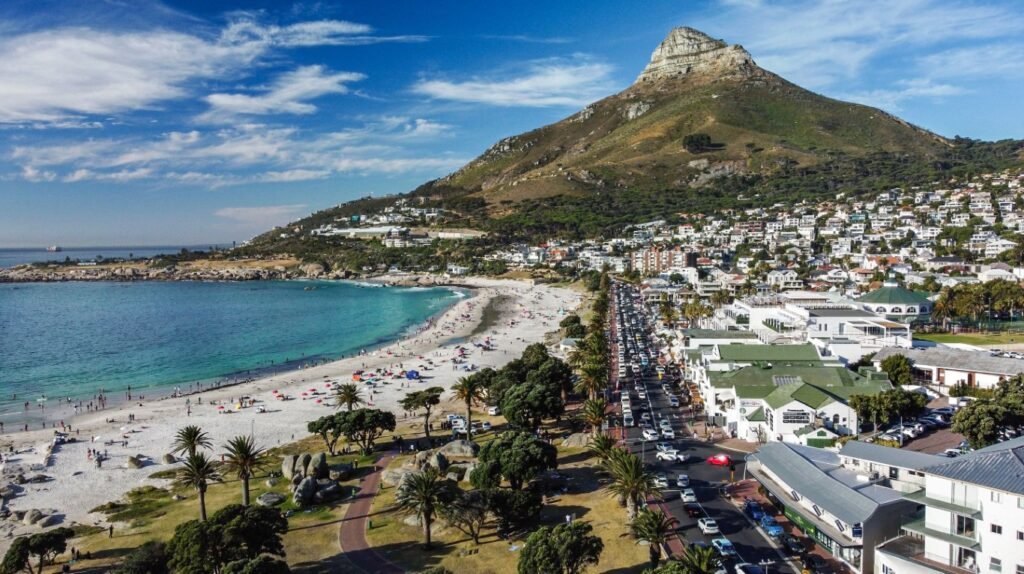
No conversation about the best family safari in South Africa is complete without Cape Town. Two to three nights in the city, before or after a safari, add cultural, culinary, and coastal dimensions that transform the trip.
Table Mountain by cable car. Boulders Beach is home to an African penguin colony near Simonstown. Here, you can walk among hundreds of waddling, braying penguins. This experience brings sheer delight to both children and adults. The V&A Waterfront for family dining and the Two Oceans Aquarium. Cape Point and the Cape of Good Hope. The Cape Winelands in Stellenbosch and Franschhoek offer great family-friendly farm restaurants. Vineyard picnics also make for excellent afternoons.
Cape Town is the gateway to the Western Cape’s Big Five reserves. Families can enjoy game drives just two hours from the city. This gives them a taste of wildlife along with the city’s many attractions.
Best for: All ages; families wanting a multi-experience South African itinerary; those combining safari with beach, city, and culture.
What Age Is Right for a Family Safari in South Africa?
Under 5: Great at malaria-free reserves. Fenced properties, pool access, and flexible activity schedules. Madikwe and Waterberg lodges welcome young children. They offer special programs just for kids under five. Many offer free stays for children under 2 or 3.
Ages 5–9: A particularly good age for South Africa. Junior ranger programs, kids’ game drives, and wildlife tracking spark lasting joy for nature and conservation. The country’s malaria-free choices simplify travel to East Africa.
Ages 10–14: Ready for the full experience. Older children can handle Kruger’s self-drive format and the longer drives at Sabi Sand. For kids who care about conservation, rhino notching at Kwandwe and education programs at various lodges are truly unforgettable.
Ages 15+: Teenagers come expecting little but often leave changed. They are amazed by the wildlife, the rich cultures, and the stunning landscapes from the Drakensberg to Cape Town’s peninsula.
South Africa Family Safari Itinerary Options
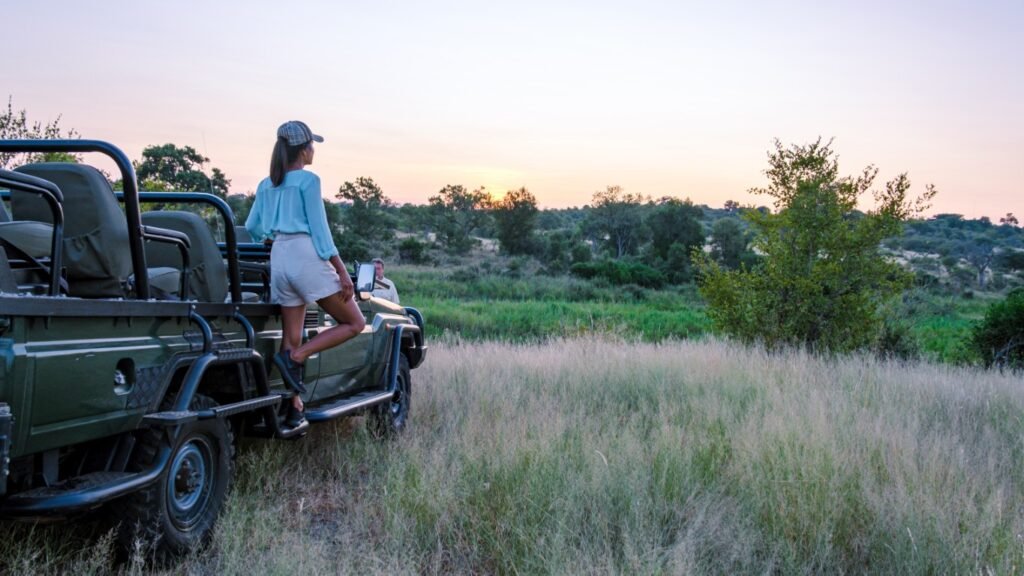
The Johannesburg Gateway (7–10 days) Fly into Johannesburg, transfer to Madikwe or Pilanesberg for 3–4 nights of malaria-free Big Five safari, then connect to Cape Town for 3 nights. This is the top choice for a first family safari in South Africa. It offers easy access, great wildlife, and the must-see Cape Town experience.
The Eastern Cape and Garden Route (10–14 days) Fly into Cape Town and stay for 2 nights. Then, drive the Garden Route for 4–5 days, visiting Hermanus, Knysna, Tsitsikamma, and Jeffreys Bay. Finally, spend 3 nights at Addo Elephant National Park before flying home from Gqeberha.
Entirely malaria-free and one of the world’s most scenic road trips.
The Big Safari (12–16 days) Fly into Johannesburg, transfer to Greater Kruger for 3–4 nights at a private concession (Timbavati, Sabi Sand, or Thornybush), fly to Cape Town for 3 nights, drive the Garden Route, and finish at Addo. The comprehensive South Africa trip — the continent’s best leopard viewing, the world’s most famous coastal road, and an accessible malaria-free elephant park in one seamless itinerary.
Practical Tips for Family Safari Holidays in South Africa
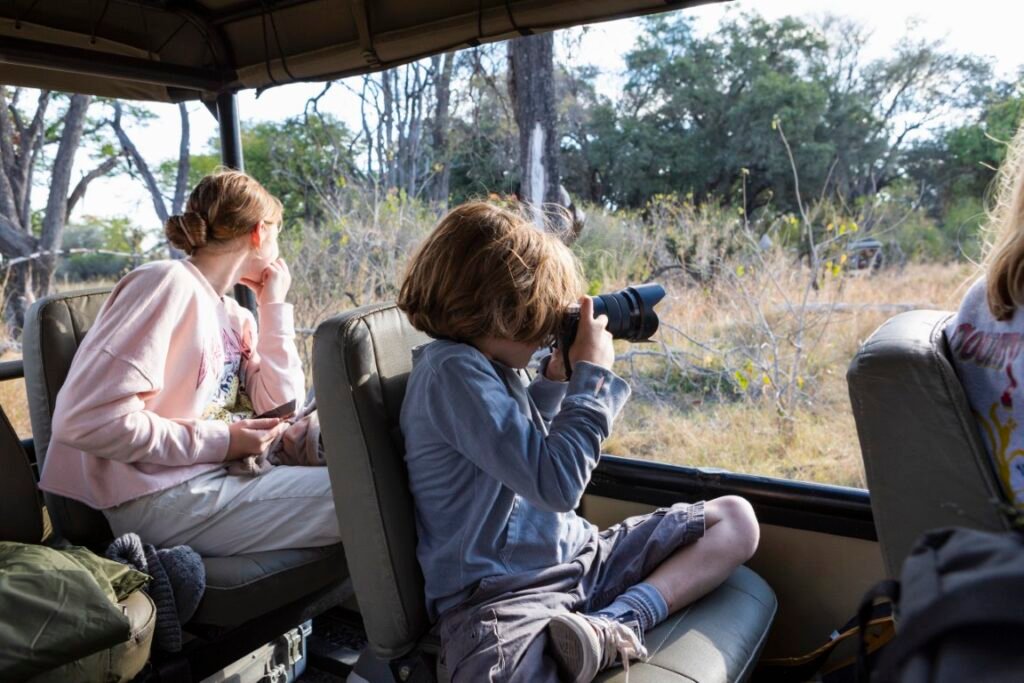
Start malaria-free if in doubt. For families with kids under 10, starting at a malaria-free reserve makes things easier. It cuts down on stress and health worries, helping everyone enjoy their time more. Madikwe and Pilanesberg are the benchmarks here.
Self-drive vs. guided. South Africa is one of the few African countries where self-drive safaris are popular and practical. Kruger and Addo work well on a self-drive basis. Private reserves such as Madikwe, Sabi Sand, and Kwandwe are guided-only. They offer top-notch wildlife experiences, but at a higher price. Many families find a balance. They choose self-driving in national parks for savings and freedom. For better sightings, they opt for guided tours in private reserves.
Don’t underestimate Cape Town. Spend two to three days in the city. You can see penguins, explore Table Mountain, and enjoy the waterfront. This adds fun to your safari trip and offers kids activities that don’t require sitting still in a game vehicle.
Check age restrictions before booking. Many open-vehicle game drives require children to be at least 6 years old on shared vehicles. Some Sabi Sand lodges set the minimum at 8 or 10. Always verify before committing.
Timing. The dry season runs from May to October. It’s the best time for game viewing. Vegetation is low, animals gather near water, and the weather is cool and pleasant. Mornings and evenings require warm layers. The shoulder months of May, June, September, and October have great wildlife. Lodge rates are also a bit lower than in peak July and August.
Quick Reference: South Africa Family Safari Regions at a Glance
| Region | Best For | Best Age | Malaria | Highlight |
|---|---|---|---|---|
| Madikwe | Big Five, wild dogs, family lodges | All ages | Free | Guided safari; dedicated children’s programmes |
| Pilanesberg | First safari, short drive from Johannesburg | All ages | Free | Self-drive; volcanic crater landscape |
| Waterberg | Horse riding, intimate lodges | All ages | Free | Equestrian safaris; dramatic scenery |
| Kruger NP | Self-drive adventure, Big Five, value | 6+ | Risk | Self-drive freedom; vast wilderness |
| Sabi Sand / Timbavati | Leopard sightings, luxury, guided drives | 6–10+ (varies) | Risk | World’s best leopard viewing |
| Addo & Eastern Cape | Elephants, malaria-free, Garden Route combo | All ages | Free | Big Seven; accessible Eastern Cape |
| Cape Town & Garden Route | Multi-experience, coastal, penguins, culture | All ages | Free | Penguins; Table Mountain; scenic coast |
Explore more in our Family Safari Holidays series, including complete guides to Tanzania, Kenya, Botswana, and Namibia family safaris.