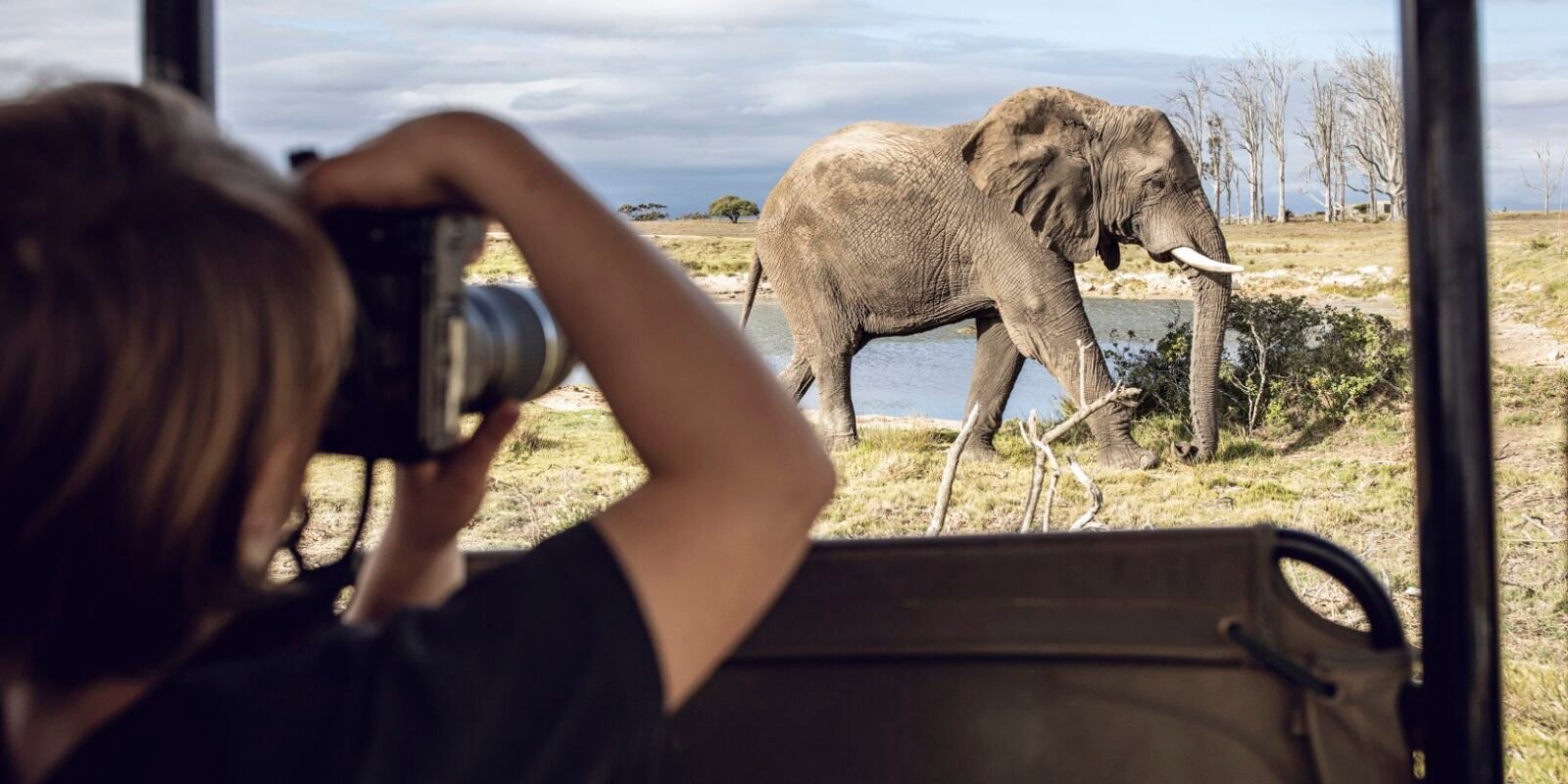
Picture this: your kids, jaws on the floor, watching a herd of elephants amble past your jeep close enough to count their eyelashes. No screen, no Wi-Fi, no “are we there yet?” — just pure, wide-eyed wonder. That’s what a family safari holiday delivers, and it’s exactly why more parents are trading beach resorts for the African bush.
A family safari vacation is one of those rare travel experiences that genuinely works for everyone. Toddlers are mesmerized by the movement and noise. School-age kids soak up everything like sponges — animal tracks, bird calls, and Maasai warrior dances. Teenagers, who are notoriously difficult to impress, tend to have the strongest reactions of all. And the grown-ups? You get to be the parent who gave their kids that story to tell for the rest of their lives. Not a bad deal.
But let’s be honest, planning safari holidays with kids is different from planning adult travel. Think about age limits and health issues. Also, keeping a seven-year-old entertained for two hours can be tough, especially when the lions are just napping out of sight. This guide helps you plan the perfect family safari holiday. It covers picking the right destination and packing the ideal bag.
Why a Family Safari Is Worth Every Penny
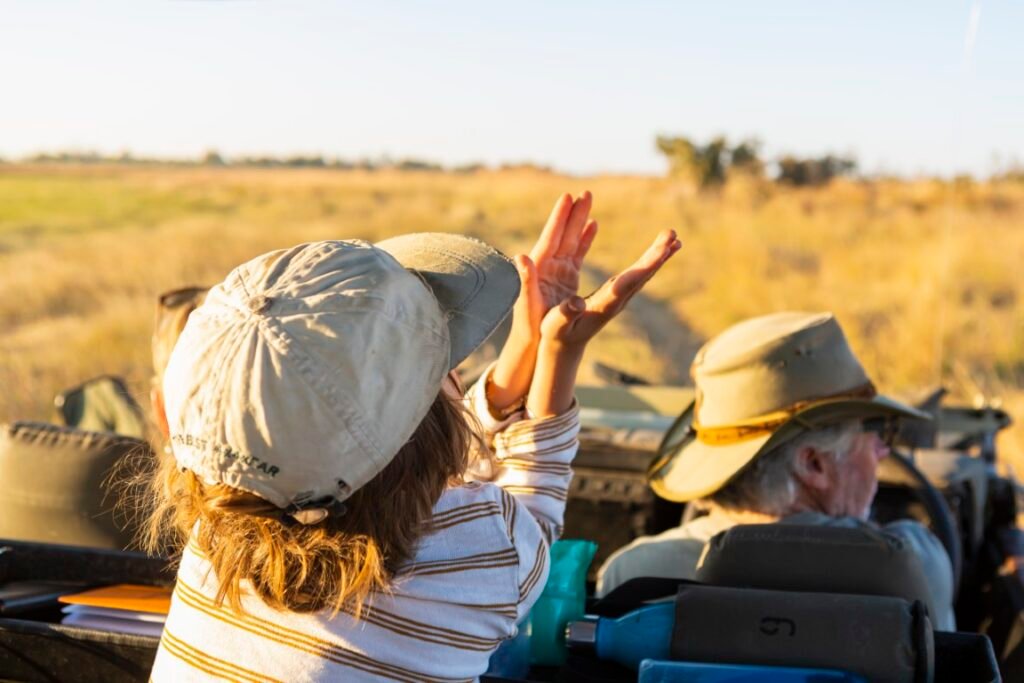
Before we get into the details, let’s explore why this holiday is unique. It’s common to wonder if it’s worth the investment.
A family-friendly safari does something that most holidays can’t: it gets your family off autopilot. There are no separate restaurants, no splitting up to please different age groups, no one disappearing into their devices. On safari, you’re in a vehicle together, scanning the horizon together, and gasping at the same moment when a leopard drops out of a tree twenty meters away. Family holidays are about shared experiences. Few places offer this like the African wilderness.
Beyond the bonding, there’s real educational value. Kids who go on safari learn to tell a serval from a cheetah. They discover why lions hunt at dawn. They also talk about conservation and protecting wildlife. Many lodges offer children’s programs to turn curious kids into junior rangers. These programs include field guides, tracking lessons, and binoculars. It’s the kind of learning that no classroom can replicate.
Africa’s high-end safari lodges and camps provide a unique blend of luxury and comfort. You can enjoy everything from gourmet meals in elegant dining rooms to tasty campfire cookouts under the stars. Resident chefs are eager to customize menus and meal times for your family.
How to Choose the Best Family Safari Destination
Not all safari destinations are created equal for families.
Look at these key factors:
- Malaria risk
- Age limits at lodges
- Quality of non-game-drive activities
- Infrastructure
- Travel logistics
Here’s a breakdown of the top contenders.
South Africa: Best for Younger Children and First-Timers
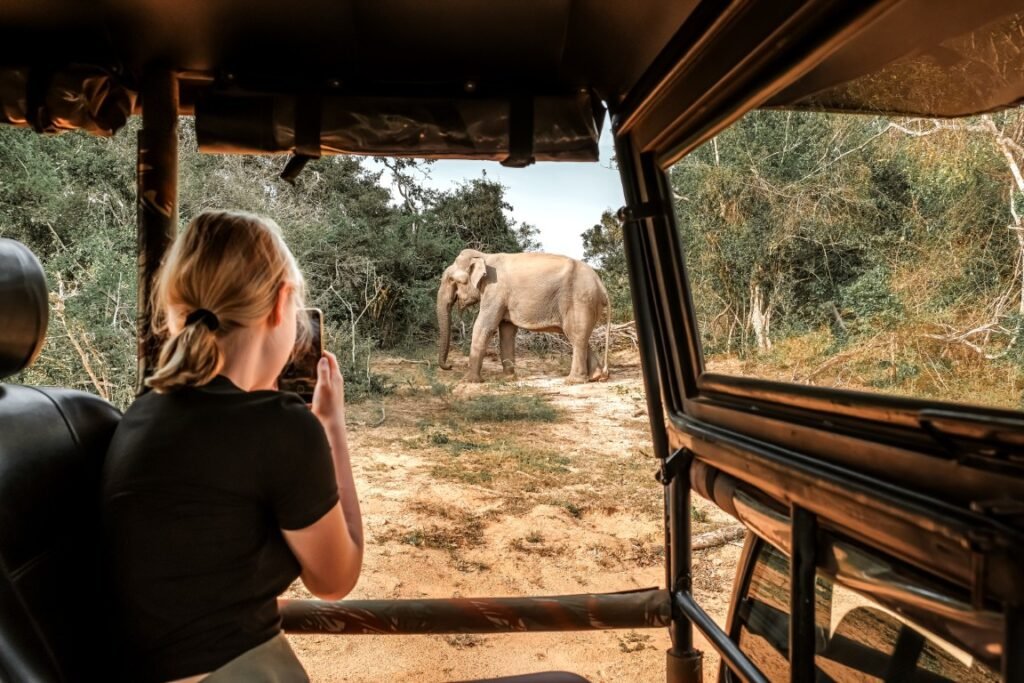
South Africa is arguably the best family safari destination for a trip with little ones. It has excellent infrastructure, the risk of malaria is relatively low, and many parks allow self-driving. Self-drive parks are more important than they seem. They let you set your own pace. You can stay longer when the lions are active, or head back to the lodge when a toddler meltdown is about to happen.
South Africa has some of the best wildlife experiences in Africa. You can find malaria-free reserves, see the Big Five easily, and stay in family-friendly lodges. The Madikwe Game Reserve and the Eastern Cape reserves like Shamwari are particularly popular with families with young children, as they’re fully malaria-free. Kruger National Park is the crown jewel. It offers many places to stay, from self-catering chalets to ultra-luxury private concessions.
Best for: Families with children under 6, first-time safari-goers, and families on a more flexible budget.
Watch out for: Many lodges in South Africa don’t allow kids under six on open-vehicle game drives. Also, some parks recommend not bringing children under five because of malaria risks in certain areas.
Kenya: Best for Culture, Big Cats, and Beach Combos
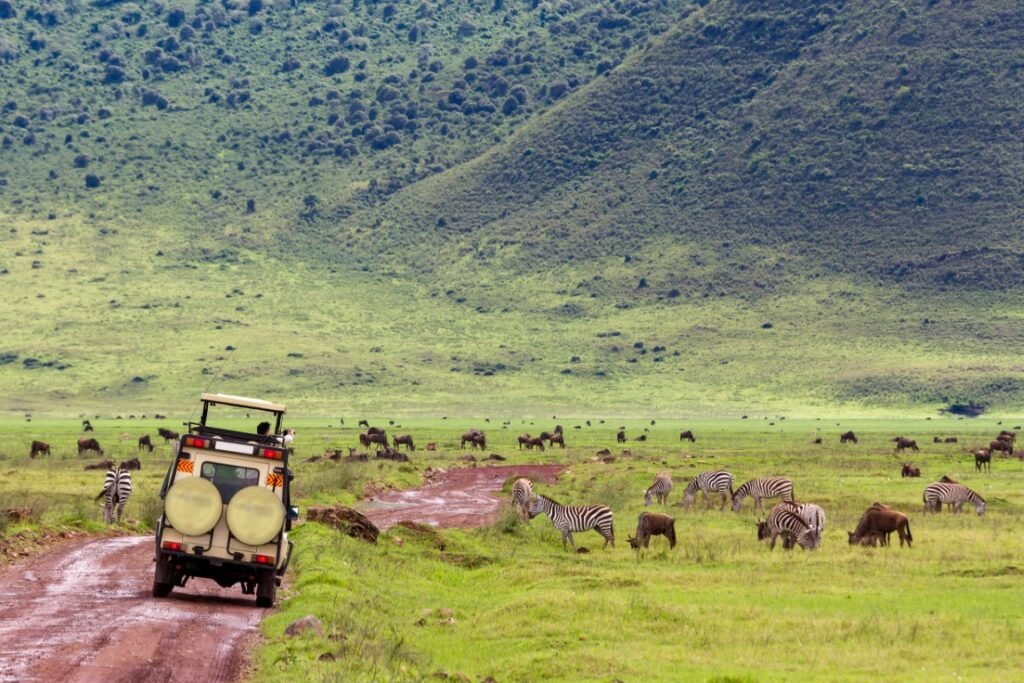
Kenya is more affordable than Tanzania and is similar to South Africa in terms of travel ease. It offers family-friendly places to stay, with staff skilled at both educating and entertaining. The Masai Mara, roared through by the Great Migration in the summer break, and Amboseli, are compact, reducing driving times. The Maasai are truly charismatic teachers.
Kenya and Tanzania are attractive to families with kids of all ages, as lodges offer no age restrictions for game drives. Highlights include the iconic Masai Mara and Serengeti. Camps allow kids to engage with rangers, who teach them tracking and bushcraft skills.
The Masai Mara is a fantastic spot for kids ready to enjoy a safari. The Great Migration, from July to October, brings an amazing amount of wildlife. You can add a few days at the beach near Mombasa or Diani Beach at the end. It’s a great way to relax after all that early-morning fun.
Best for: Families with kids aged 6 and up, wildlife enthusiasts, those wanting safari-plus-beach.
Bear in mind: Most of Kenya is a medium to high malaria risk, and a yellow fever vaccination is required for entry.
Tanzania: Best for Authentic African Adventure
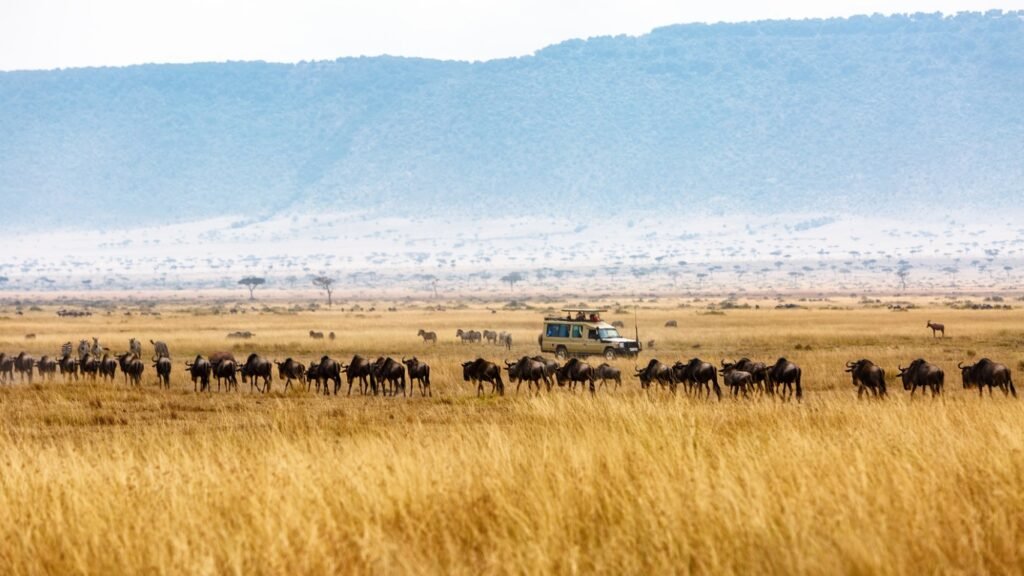
Tanzania provides families with an authentic experience. You can enjoy village visits alongside game drives. The northern attractions also help reduce travel times. Drive between Tarangire, Lake Manyara, the Ngorongoro Crater, and the Serengeti, with the chance to spot the Great Migration too. Family-friendly places let everyone unwind. You can top it off with a beach getaway in Zanzibar or nearby islands.
Tanzania is also home to some wonderfully creative activities for children. On family safari holidays in Tanzania, explore the Tree Top Walkway in Lake Manyara. This walkway takes you high above the trees. You can see a range of exotic birds and watch wild animals on the ground below. Hot air ballooning over the Serengeti is another bucket-list experience — though note that the minimum age is usually 8.
Best for: Adventurous families, kids aged 7 and up, multi-generational travel.
Don’t miss: Timing your visit to coincide with the Great Migration between July and October.
Botswana: Best for Older Kids and Wildlife Intensity
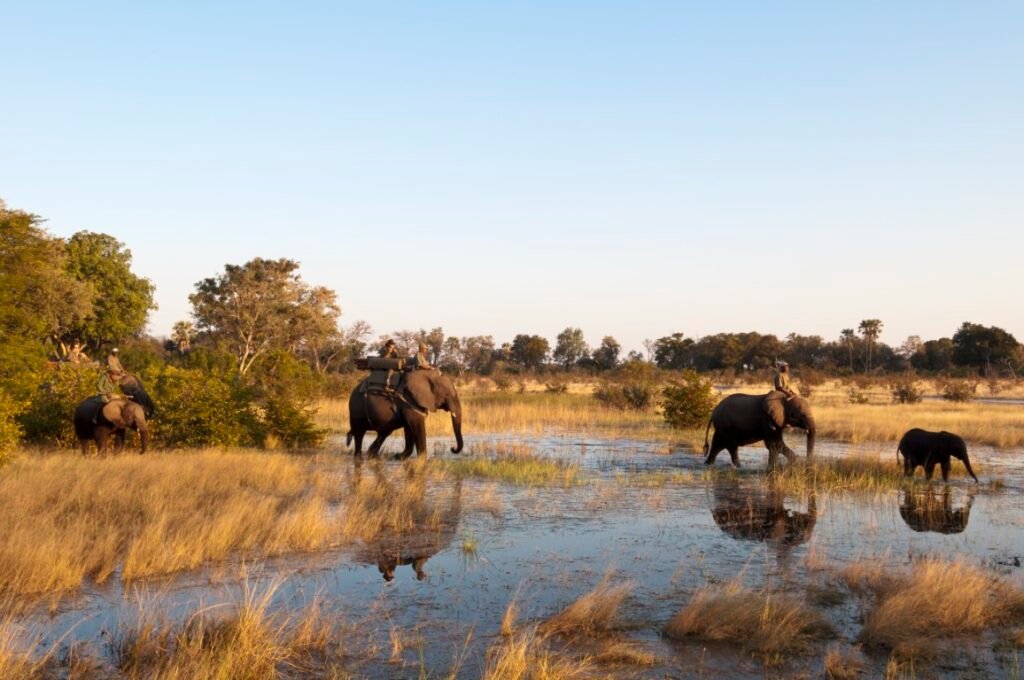
If you have teenagers who think they’ve seen it all, Botswana will change that quickly. Botswana boasts the beautiful Okavango Delta. Here, you can spot hippos and crocodiles while riding in a traditional mokoro, or dugout canoe. Chobe National Park hosts one of the largest concentrations of elephants in Africa.
For adventurous families, Botswana has plenty to offer. Experience the thrill of quad biking on the Makgadikgadi Pans. Enjoy a peaceful mokoro ride in the Okavango Delta. Then, walk with the San Bushmen for an unforgettable adventure. It’s an incredibly immersive experience — but it does come at a price. Botswana is one of Africa’s more expensive safari destinations, and many activities are better suited to children aged 10 or 12 and up.
Best for: Families with older children and teenagers, those seeking intense wildlife encounters.
Bear in mind: Bush walks and canoe rides may only be suitable for children aged 10 or even 12+. Many camps are also unfenced, which requires more supervision of younger children.
Namibia: Best for the Adventurous, Landscape-Loving Family
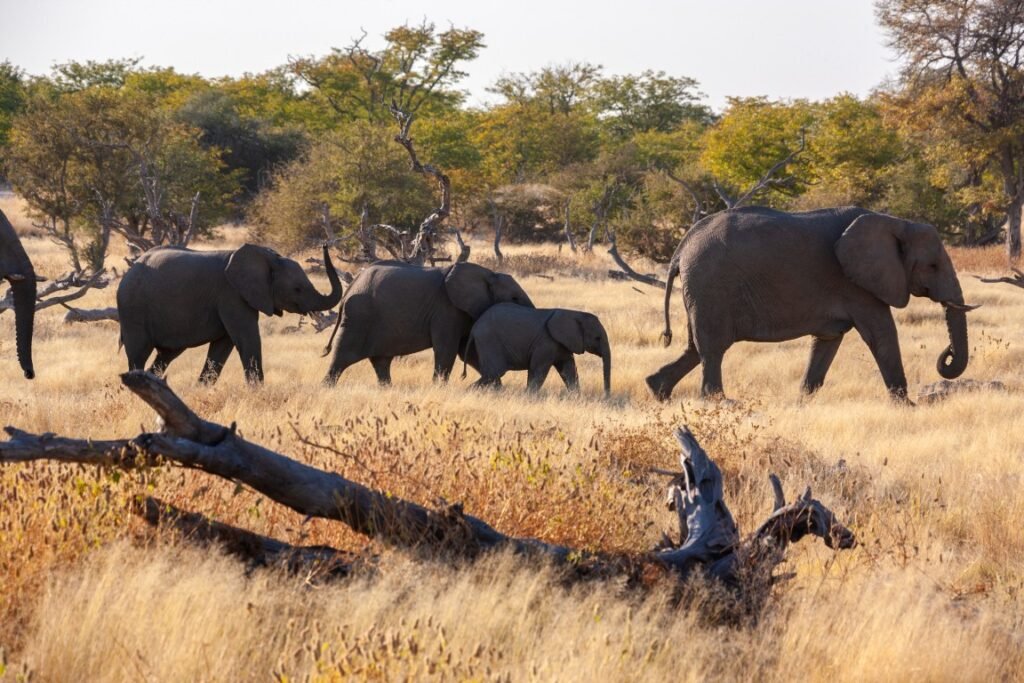
Namibia is a bit of a dark horse in the family safari world, but it deserves a place on your shortlist. A safari in Namibia offers a unique blend of adventure, wildlife, and breathtaking landscapes. Explore iconic destinations like the towering red-orange desert dunes of Sossusvlei, the wildlife-rich Etosha National Park, and the rugged Atlantic Ocean coastline. Family-friendly lodges and camps offer cozy places to stay. They often include fun activities like nature walks, sandboarding, and visits to Himba or San communities. The country’s dry climate means a low malaria risk in many areas.
A self-drive safari in Namibia is a fun choice for families who enjoy road trips. The roads are great, and the landscapes are amazing. Kids can look out the window to spot desert-adapted elephants and ostriches. It’s a holiday in itself.
Best for: Families who love landscapes as much as wildlife, older kids, road-trip enthusiasts.
What Age Is Right for a Family Safari?
This is the question every parent asks, and the honest answer is: it depends on the child, the destination, and the lodge.
A common question is, “What’s the right age for a child to go on a safari?” Generally, the minimum age is between 8 and 12; however, some resorts will allow a child to stay as young as 6.
Here’s a rough age guide to help you plan:
Under 5: Safaris are possible but logistically demanding. For kids under six, experts suggest choosing malaria-free safari spots. It’s best to use private safari houses, villas, and vehicles. Age limits often prevent younger children from joining game drives with other guests.
Ages 5–7: A transitional age. Children are starting to absorb the experience but may struggle with long game drives. Look for lodges with kids’ clubs and interactive programs to fill the gaps.
Ages 7–12: This is a golden age for family safaris, with kids old enough to enjoy game drives and learn from the guides. They’re curious, engaged, and easy to excite — a giraffe sighting at this age produces genuine, unfiltered joy. Kenya, Tanzania, and South Africa are all excellent choices.
Ages 13–18: Teens might want more adventure. They can try walking safaris, gorilla trekking (15 years+), or thrilling sports like bungee jumping at Victoria Falls. White-water rafting in the Zambezi or Nile rivers is also an option.
The Best Time to Go on a Family Safari
Timing your trip well makes an enormous difference to your wildlife experience — and to your family’s comfort.
The dry season, from May to October, is the best time to visit for optimal wildlife viewing. During this period, vegetation is sparse, and animals are more likely to gather around rivers and waterholes. Days are pleasant, but the nights are cold, so be sure to pack layers for those chilly early mornings and nighttime game drives.
Good news for families in the northern hemisphere: the best safari season matches summer school holidays. July and August are especially great, as they align with peak Great Migration viewing in Kenya and Tanzania. Remember, this is the busiest and priciest time to travel. So, it’s crucial to book early—at least 12 months ahead for popular lodges.
The shoulder seasons — May/June and October/November — are ideal for a visit. They provide good game viewing, smaller crowds, and better prices.
What to Look For in a Family-Friendly Safari Lodge
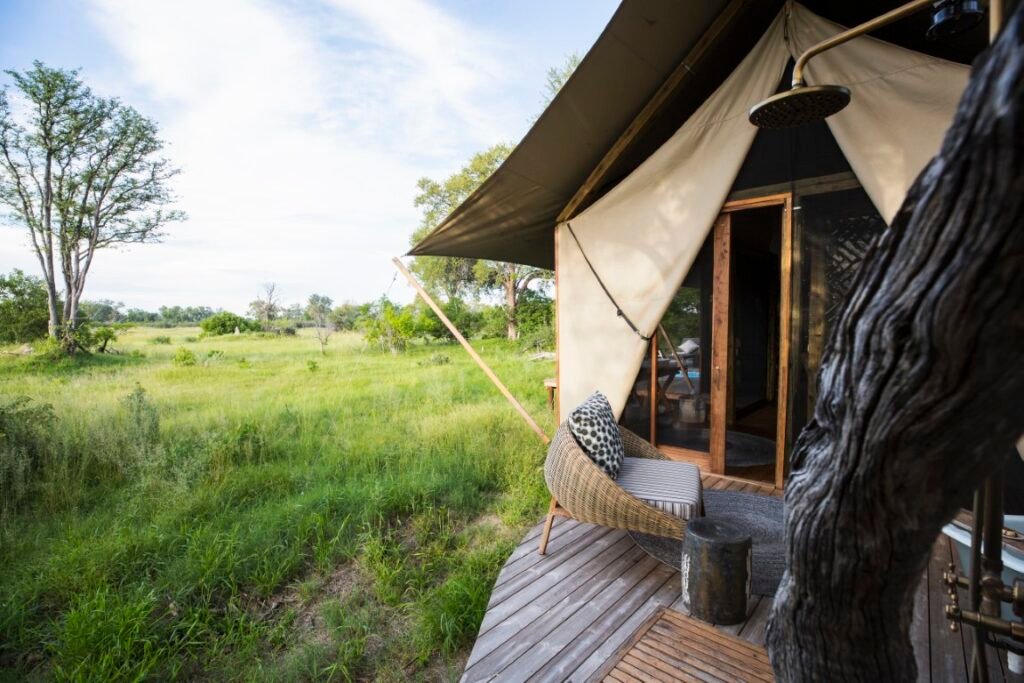
Choosing the right lodge is arguably more important than choosing the right country. Lodges for families should have fun amenities for energetic kids. Swimming pools are a must. Many also feature playrooms. Kids can enjoy cooking classes or scavenger hunts to stay entertained between game-viewing drives.
When shortlisting accommodation for safari holidays with kids, look for:
Family suites or interconnecting rooms. You need to be able to keep an eye on the little ones without everyone sharing a single bed.
Private vehicles. Booking a private game vehicle is a game-changer for families. If you book a private vehicle, children of any age can join the game drive. The guide will decide access to sightings based on how the child and animals act. You can stop whenever you like. If a toddler loses patience, you can leave. Plus, you can take extra time to watch a pride of lions without worrying about other guests.
A swimming pool. Non-negotiable for the midday downtime when game drives are off the table and everyone needs to cool down.
Kids’ programs. Many lodges have created supervised activity programs for kids. These programs are designed for children. They explore the amazing wonders of Africa and its diverse cultural heritage. Kids can be warriors for a week or dress up as bush buddies. They can learn to track animals, make traditional jewelry, or even cook pizza in a termite mound.
Child-friendly menus. Not every eight-year-old is ready for kudu carpaccio. Lodges that cater to families will offer kid-friendly options alongside gourmet fare.
Babysitting services. Because parents deserve a sundowner in peace, too.
All Inclusive Family Safari Holidays: Are They Worth It?
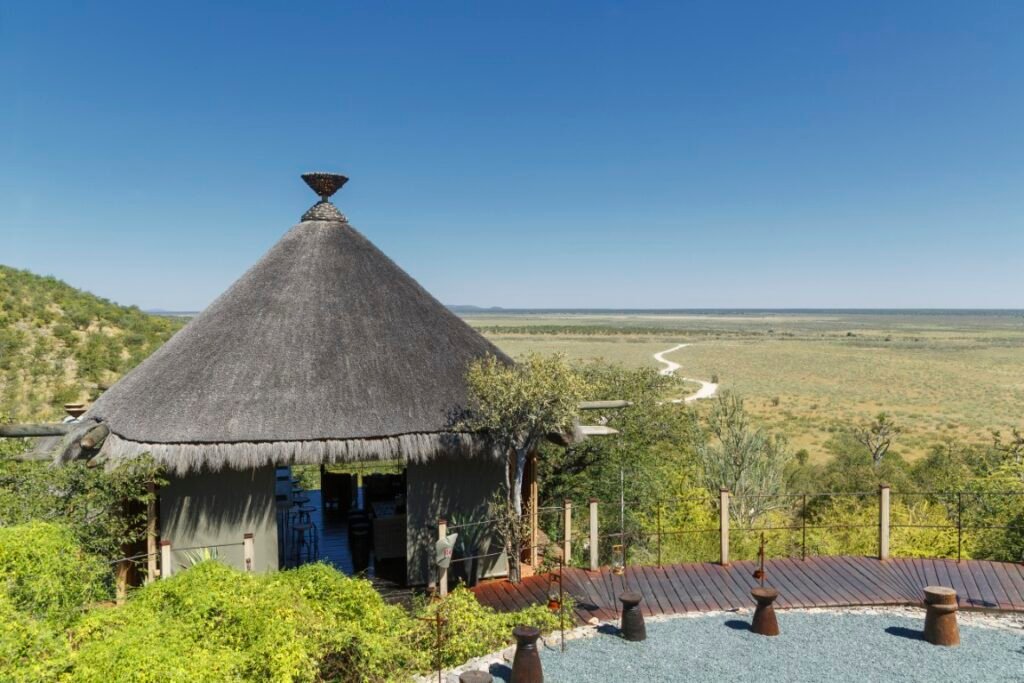
If managing tabs for accommodation, game drives, meals, and activities is too much, consider an all-inclusive family safari holiday. It might be just what you need.
Most high-end African safari lodges offer all-inclusive packages. This means you pay one price for accommodation, meals, game drives, and many activities. This is truly great for families. There’s no awkward bill-splitting, no surprise charges, and no fights over whether a third round of snacks is a meal. You arrive, you unpack once, and everything is taken care of.
Some operators offer complete family safari packages. This covers international flights, transfers, park fees, and vaccination advice for your trip. Some luxury operators provide 50% savings for kids under 16 at many family-friendly lodges and camps in Africa. Plus, children under 5 stay free when sharing with adults.
All-inclusive packages cost more at first. However, many families spend less in total. The convenience of traveling with kids makes it worth it.If the thought of managing separate tabs for accommodation, game drives, meals, and activities makes you want to close the browser, an all inclusive family safari holiday might be exactly what you need.
Most high-end African safari lodges operate on an all-inclusive basis, meaning accommodation, meals, game drives, and many activities are bundled into one price. This is genuinely brilliant for families — it means no awkward bill-splitting, no surprise extras, and no arguments about whether a third round of snacks counts as a meal. You arrive, you unpack once, and everything is taken care of.
Some operators take this further with fully packaged family safari packages that include international flights, transfers, park fees, and even pre-trip vaccination advice. Certain luxury operators offer savings of 50% for children travelling under the age of 16 at a wide variety of family-friendly lodges and camps in Africa, with children under 5 years staying free of charge when sharing with adults.
The trade-off with all-inclusive packages is that they cost more upfront, but most families find they actually spend less overall — and the convenience factor when travelling with kids is worth its weight in gold.
Top Activities for Kids on Safari
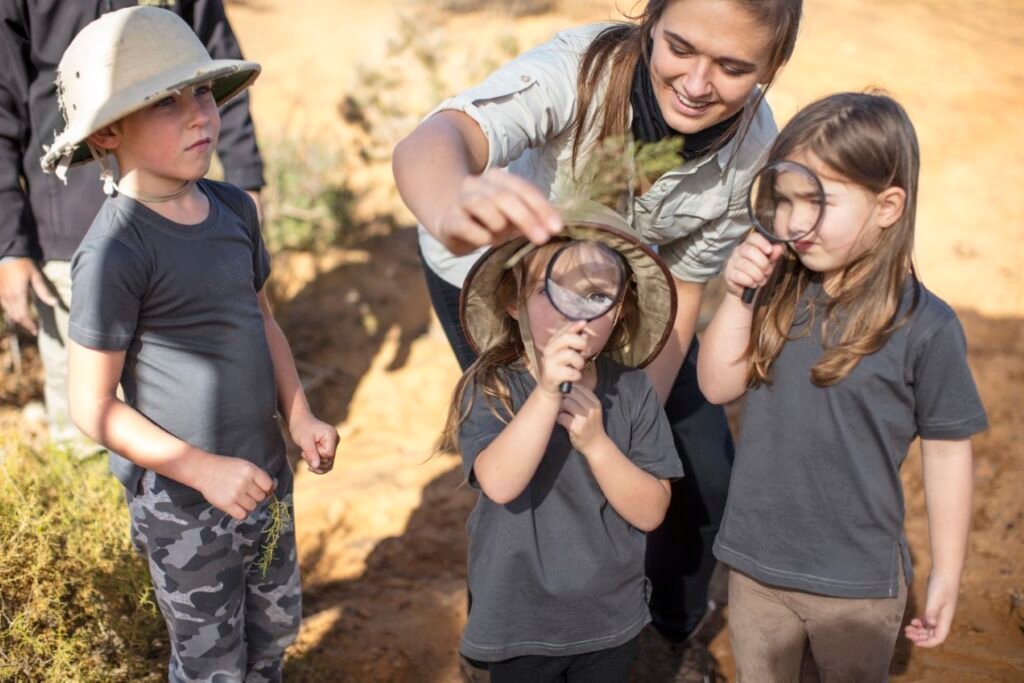
The game drive is the highlight, but great family safari holidays include other activities. These keep everyone, no matter their age, engaged all day long. Here’s what to look for:
Junior ranger programs. Many lodges have special programs. Kids learn to find animal tracks. They study ecosystems and assist with conservation monitoring. It’s genuinely educational and keeps kids motivated between sightings.
Hot air ballooning. A hot air balloon safari over the Masai Mara National Reserve or the Serengeti is a once-in-a-lifetime experience. The minimum age requirement for this activity is usually 8 years old.
Mokoro canoe rides. Gliding through the Okavango Delta in a traditional dugout canoe is magical. A poler skillfully navigates the lily pads. Kids especially love it, especially with promises of crocodiles. Don’t worry, the guides are experienced.
Cultural village visits. Meeting the Maasai, learning about the San Bushmen, or visiting a local school gives children a window into an entirely different way of life. It’s the kind of cultural exchange that builds empathy and perspective in ways that are impossible to teach in a classroom.
Stargazing. No matter what reserve you choose, you’re guaranteed to see a magnificent expanse of star-studded skies when night falls over your lodge. Far away from any light pollution, you’ll be able to point out all the constellations and stars your kids have learned about in school.
Bush picnics. A game drive that ends with a picnic breakfast in the middle of the savannah, surrounded by nothing but birdsong and distant thunder? Even the most phone-addicted teenager will put the device down for that.
Horseback riding. Children can experience the exhilaration of riding a horse through the African bush. Family-friendly tour operators serve all ages and skill levels. However, kids need to be at least 12 years old to join in most cases.
Hot air ballooning. A hot air balloon safari over the Masai Mara National Reserve or the Serengeti is a once-in-a-lifetime experience. The minimum age requirement for this activity is usually 8 years old.
Mokoro canoe rides. Gliding through the Okavango Delta on a traditional dugout canoe while a poler navigates through lily pads is genuinely magical — especially for kids who’ve been promised crocodiles (don’t worry, the guides know what they’re doing).
Cultural village visits. Meeting the Maasai, learning about the San Bushmen, or visiting a local school gives children a window into an entirely different way of life. It’s the kind of cultural exchange that builds empathy and perspective in ways that are impossible to teach in a classroom.
Stargazing. No matter what reserve you choose, you’re guaranteed to see a magnificent expanse of star-studded skies when night falls over your lodge. Far away from any light pollution, you’ll be able to point out all the constellations and stars your kids have learned about in school.
Bush picnics. A game drive that ends with a picnic breakfast in the middle of the savannah, surrounded by nothing but birdsong and distant thunder? Even the most phone-addicted teenager will put the device down for that.
Horseback riding. Children can experience the exhilaration of riding a horse through the African bush. Family-friendly tour operators cater to a range of ages and skill levels; however, children must be at least 12 years old to participate in most instances.
Family Safari Packages: What to Expect
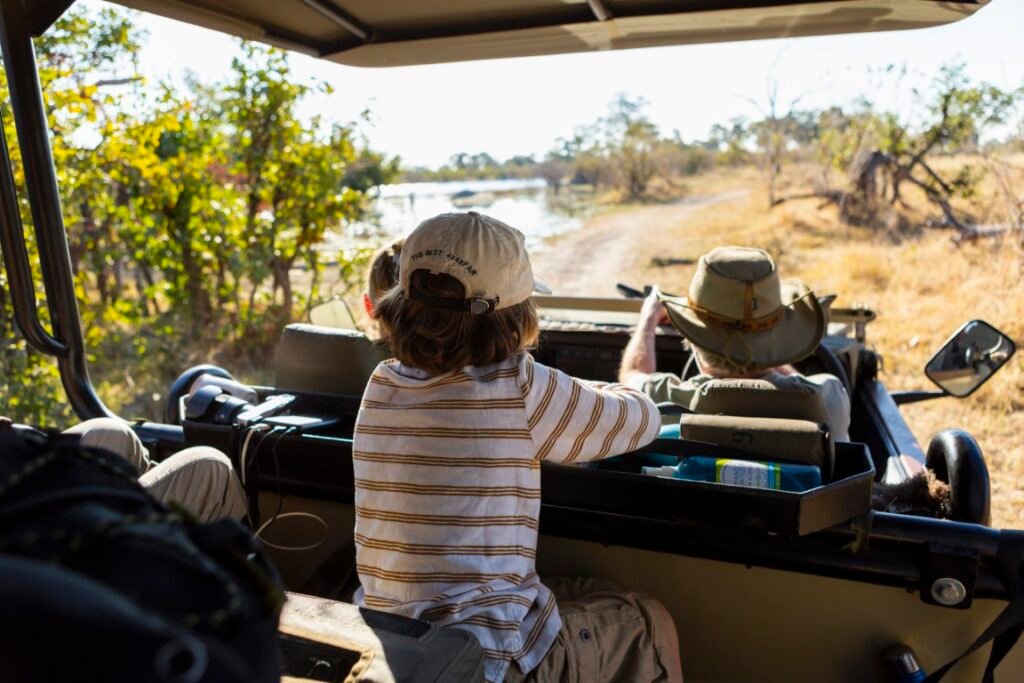
When shopping for family safari packages, you’ll find options spanning a huge range of budgets and styles. Here’s a rough breakdown:
Budget to mid-range packages (from around $2,000–$4,000 per person): Often self-drive safaris in South Africa or small-group tours in Kenya and Tanzania. Accommodation is comfortable but not luxurious. Great for families who don’t mind a bit of DIY adventure.
Mid-range to premium packages ($4,000–$8,000 per person): Guided private tours with well-regarded lodges, private vehicles, and good children’s programs. The sweet spot for most families who want a quality experience without going full luxury.
Luxury and ultra-luxury packages ($8,000+ per person): Private exclusive-use villas, bespoke itineraries, private chefs, and every logistical detail handled. If budget isn’t the primary concern, this level of service makes traveling with kids extraordinarily smooth.
When comparing packages, check what’s included. Park fees, game drives, meals, transfers, and children’s discounts can really affect the total cost.
Planning Advice: How to Book the Best Family Safari
Book early. Top lodges fill up 12+ months in advance. If you’re targeting peak season or a specific lodge with limited family rooms, get your booking in early.
Check age restrictions before falling in love with a property. There’s nothing worse than planning the perfect trip and discovering the lodge doesn’t accept children under 12. Always verify the policy for your specific age group before committing.
Hire a private vehicle. Even if it costs more, this single decision will transform your family’s experience. You set the pace, you decide when to stay and when to go, and your guide can adapt every sighting to what your children find most interesting.
Combine destinations wisely. Why limit yourself to one destination? Think about a family holiday in South Africa. Discover the lively Mother City, Cape Town. Visit one or more malaria-free game reserves. Enjoy the serene beauty of the Garden Route. Or create unforgettable memories on a Kenya family safari spent exploring the magic of the Mara, the Laikipia Plateau, and ending on Zanzibar’s breathtaking beaches.
Consult a specialist. A good Africa safari specialist knows the properties they recommend. They’ve visited the lodges and can spot which ones truly welcome families. This way, they can warn you about potential issues before they lead to costly mistakes.
Health and Safety on a Family Safari
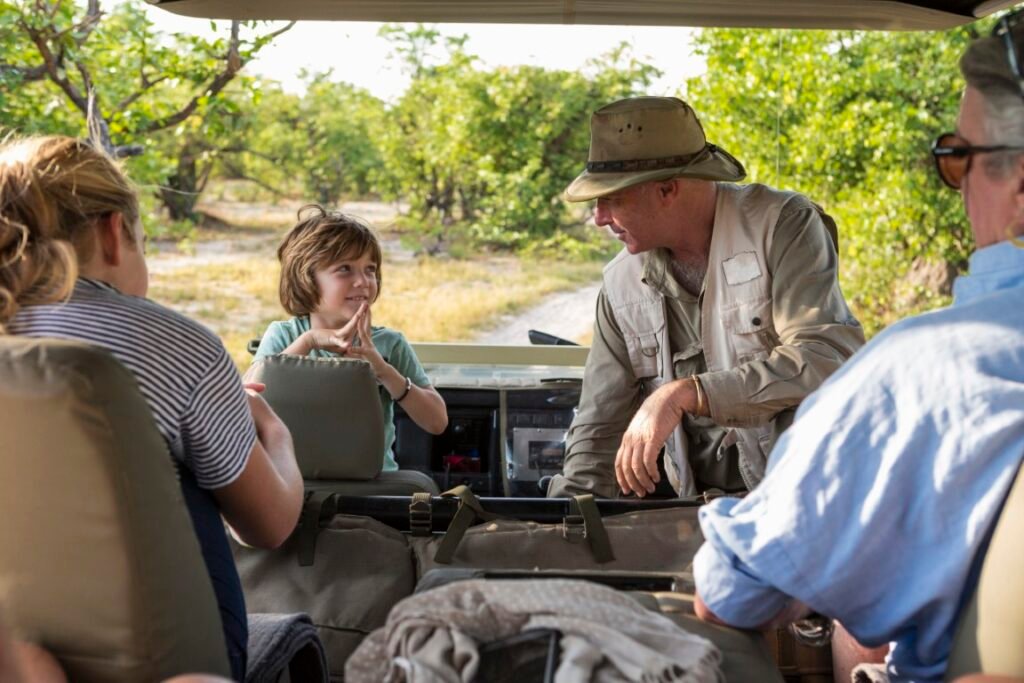
Don’t let health concerns stop you. Every year, millions of families travel to Africa safely. Just take a sensible approach.
Malaria. This is the most significant health consideration. For families with young kids or those who want to skip antimalarials, South Africa’s malaria-free reserves are a smart choice. These include Madikwe, Waterberg, and the Eastern Cape. If you’re going to East Africa or Botswana, visit a travel health clinic early. Discuss the appropriate antimalarial options based on your children’s ages and weights.
Vaccinations. Requirements vary by destination. Yellow fever vaccination is required for entry into Kenya and recommended for several other countries. Hepatitis A is widely recommended. Allow at least 6–8 weeks before travel to get vaccinations sorted.
Sun and heat. The African sun is fierce. Use high-factor sunscreen (SPF 50+), wear wide-brimmed hats, choose UV-protective clothing, and drink plenty of water. These are must-haves.
Insects. Child-friendly insect repellent is essential. Many lodges provide mosquito nets; check in advance whether yours does, and bring a portable one as backup.ia-free reserves (Madikwe, Waterberg, Eastern Cape) are the sensible starting point. If you’re heading to East Africa or Botswana, consult a travel health clinic well in advance to discuss appropriate antimalarial options for your children’s ages and weights.
Vaccinations. Requirements vary by destination. Yellow fever vaccination is required for entry into Kenya and recommended for several other countries. Hepatitis A is widely recommended. Allow at least 6–8 weeks before travel to get vaccinations sorted.
Sun and heat. The African sun is fierce. High-factor sunscreen (SPF 50+), wide-brimmed hats, UV-protective clothing, and plenty of water are non-negotiable.
Insects. Child-friendly insect repellent is essential. Many lodges provide mosquito nets; check in advance whether yours does, and bring a portable one as backup.
What to Pack: The Family Safari Essentials
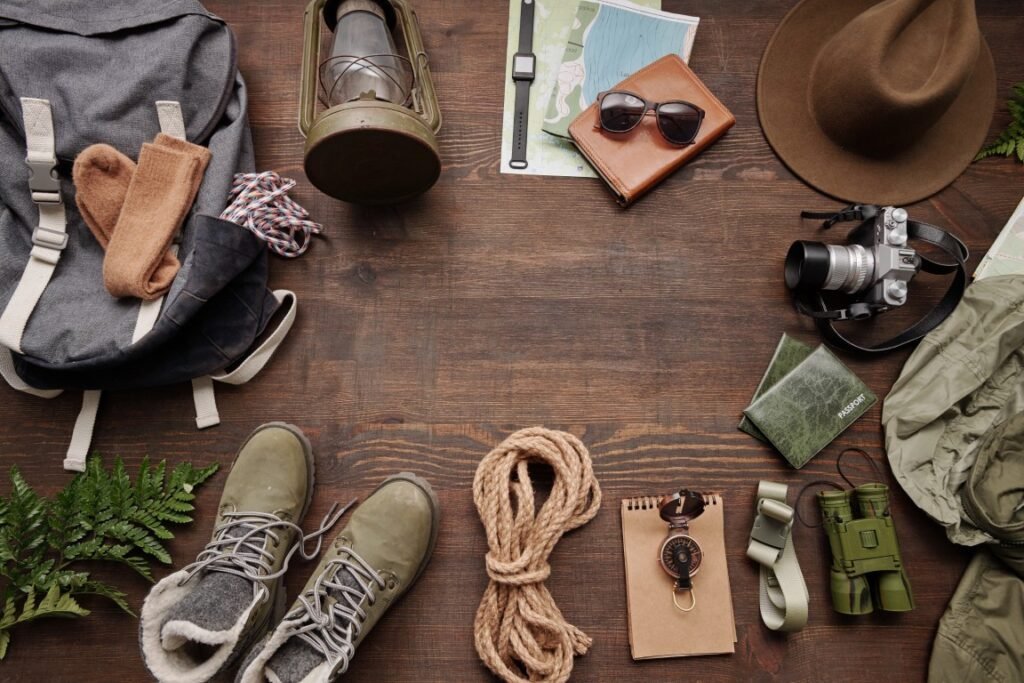
Mornings and nights will be chilly, so warm layering pieces are an absolute must. Top things to pack for your children: sunscreen and sunglasses, child-friendly mosquito repellent, mosquito nets, binoculars, snacks and games for long game drives, closed-toe sandals and comfortable walking shoes, a sun hat, warm layering pieces like long-sleeve shirts and a fleece jacket, warm sleepwear, a first aid kit and anti-malaria medication.
A few extra tips from experienced safari parents:
- Binoculars for every child. This single item transforms a game drive for kids. Suddenly, they’re actively searching for wildlife rather than waiting for it to appear.
- A field guide. Kids who can identify what they’re looking at become immediately more engaged. Many lodges provide these, but having your own means the learning continues at the lodge.
- A nature journal. Encourage kids to draw or write about what they see each day. It becomes a wonderful keepsake and keeps them engaged during quieter moments.
- Snacks, snacks, snacks. Game drives can run three to four hours. Never underestimate the power of a strategically timed snack on a long game drive.
Quick Reference: Family Safari Destinations at a Glance
| Destination | Best Age | Malaria Risk | Best Season | Standout Feature |
|---|---|---|---|---|
| South Africa | All ages, esp. under 6 | Low/malaria-free options | Year-round | Big Five, self-drive, infrastructure |
| Kenya | 6+ | Medium-high | Jul–Oct | Great Migration, Maasai culture |
| Tanzania | 7+ | Medium | Jun–Oct | Serengeti, Ngorongoro, Zanzibar beach add-on |
| Botswana | 10+ | Medium | May–Oct | Okavango Delta, elephant herds |
| Namibia | 6+ | Low | May–Oct | Desert landscapes, self-drive roads |
Frequently Asked Questions
Are family safari holidays safe for children? Yes — when properly planned. Experienced guides prioritize safety above everything else, game-viewing vehicles are designed to protect passengers, and lodge perimeters are managed carefully. Choosing a reputable operator and age-appropriate destination is the key to a safe and enjoyable trip.
What’s the best family safari holiday for first-timers? South Africa, especially a mix of Cape Town and a malaria-free reserve like Madikwe or Shamwari, is often seen as the perfect first family safari. The infrastructure is great. The wildlife is amazing. Plus, the logistics are simple, so you can enjoy the experience.
How long should a family safari holiday be? Most families find that seven to ten days is the sweet spot. This allows time for arrival, a few days of game drives, some non-safari activities, and an optional beach extension. Going shorter than five days often means you spend more time in transit than on game drives; longer than two weeks can exhaust younger children.
Is there a best safari for kids who are nervous about animals? For kids who feel a bit nervous, a fenced private reserve in South Africa is an excellent choice. Game drives in enclosed vehicles provide a comfortable way to enjoy wildlife. Watching elephants at a waterhole from a safe distance can calm nervous visitors. Often, this gentle interaction turns them into wildlife fans by the end of the morning.
Can we do an all inclusive family safari on a budget? “All inclusive” and “budget” are rarely in the same sentence when it comes to African safaris, but there are genuinely good-value options. Self-drive packages in South Africa, small-group tours in Kenya or Tanzania, and traveling in the shoulder season can all significantly lower costs. Look for operators that include park fees, meals, and game drives in a single quoted price so you can compare apples-to-apples.