Let’s be real: there’s no single “best time” to visit America’s national parks with kids — there are 63 of them, spread across every climate zone from tropical Hawaii to subarctic Alaska. The “perfect” time depends entirely on which park you’re heading to, what your kids are old enough to handle, and whether your family is the type that leans into snow and solitude or needs warm weather and a full-service visitor center.
What is true is that timing your visit well can be the difference between a magical family adventure and a sweat-soaked, traffic-jammed, parking-lot-circling ordeal. The right park at the right time of year gives you comfortable temperatures for hiking, better wildlife sightings, lower crowds, and access to all the trails and roads you actually came to see.
The best news? There is genuinely a great national park to visit in every single month of the year. Some of the country’s most spectacular parks shine brightest when most families aren’t thinking about travel — and some of the most famous parks are best saved for a quieter season. This guide will help you figure out exactly where to go, and when.
Think of this as your complete guide to the best national parks to visit by month — written specifically for parents who want practical answers, not vague seasonal overviews. Let’s go month by month.
Best National Parks in January for Families
January is the month most families cross national parks off the list — it’s cold, school is back in session, and the idea of camping feels absurd. But here’s the secret: January is genuinely fantastic for visiting the right parks, and those parks happen to be some of the most kid-friendly in the system.
Everglades National Park, Florida is the top family pick in January. Winter is dry season in South Florida, which means comfortable temperatures in the high 70s, dramatically reduced humidity, and wildlife concentrated around water sources as the wet prairies dry out. Alligators bask openly, herons stalk the shallows, and the Anhinga Trail boardwalk — a half-mile loop through the heart of the park — delivers wildlife encounters so close you’ll be telling kids to take three steps back. It does get busy in January (December through April is peak season), so arrive early and grab tram tour reservations for Shark Valley in advance.
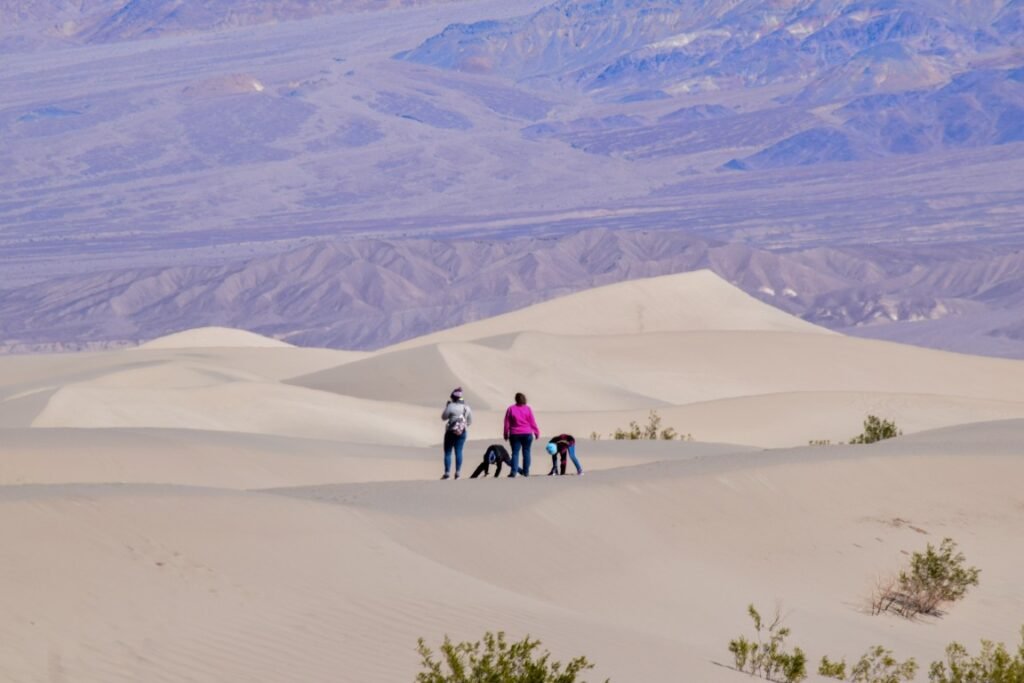
Death Valley National Park, California is another January gem hiding in plain sight. With average highs of 67°F and very low rainfall, it’s the most comfortable the park gets all year — and one of the least crowded months to boot. Kids go wide-eyed at Badwater Basin (the lowest point in North America), the mesmerizing Mesquite Flat Sand Dunes, and the surreal colored rock layers of Artist’s Drive. Just know that sunset comes around 5 p.m., so get an early start.
Big Bend National Park, Texas is a spectacular January destination for adventure-ready families. After the holiday rush dies down, the park settles into a peaceful rhythm with mild temperatures perfect for hiking the Chisos Mountains and paddling along the Rio Grande. The Santa Elena Canyon, carved 1,500 feet deep into limestone by the river, is breathtaking and accessible.
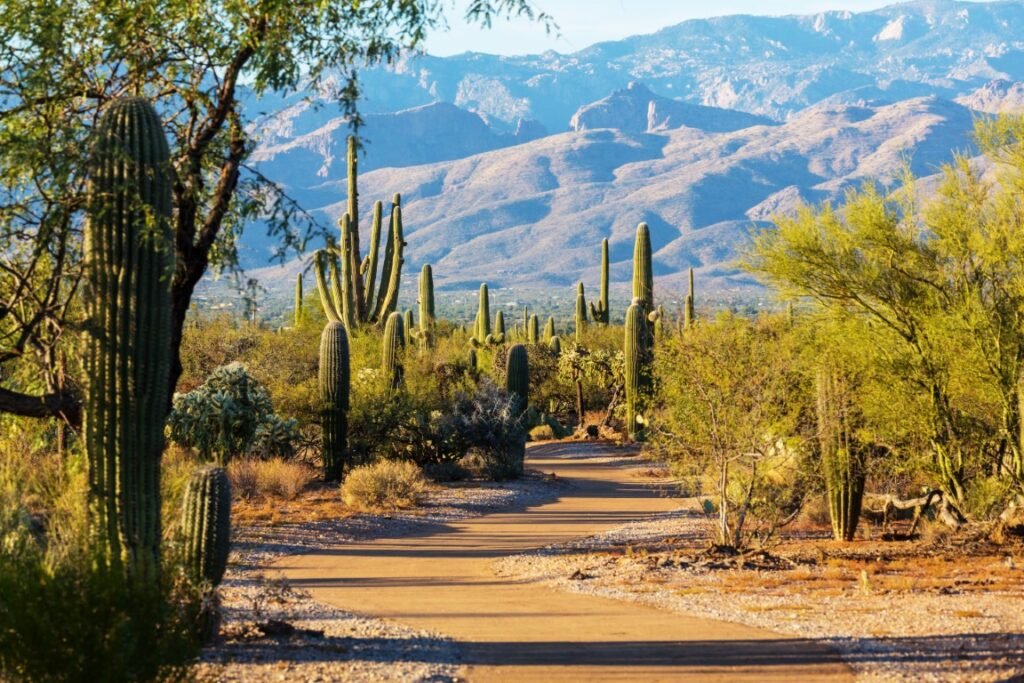
Saguaro National Park, Arizona rounds out the January options — sunny days in the mid-60s, iconic saguaro cacti towering over red desert hills, and crowds that are pleasantly light compared to spring.
Family tip for January: Pack layers even in desert parks — nights drop fast and the dry air means temperatures swing dramatically between sunrise and midday. The Every Kid Outdoors program (available at nps.gov) gives 4th-grade students free entry to all federal lands all year, which can save real money.
Best National Parks in February for Families
February is an underrated travel month for families. The holiday rush is long over, prices are lower, crowds are thinner at most parks, and the weather in southern parks is genuinely lovely.
Zion National Park, Utah is a February standout. Hiking Zion in winter means you can drive your own car through Zion Canyon Scenic Drive — the shuttle system shuts down in the off-season, so you park at any trailhead without fighting for a spot. Temperatures hover in the 40s–50s during the day, cold but manageable with layers. The Pa’rus Trail (3.5 miles, paved, stroller-friendly) and Riverside Walk (2.2 miles, paved) are perfect family hikes, and the canyon walls glow a deeper, richer red in winter light. If it snows — lucky you. Zion with snow is jaw-droppingly beautiful and entirely safe on the lower trails.
Bryce Canyon National Park, Utah shines even brighter in February. The hoodoos — those spiky red and orange rock formations — look absolutely extraordinary dusted in snow, and the park offers free snowshoe rentals along with ranger-led snowshoe walks. This is one of those winter experiences that makes kids’ eyes go wide in a way that no amount of summer hiking can replicate.
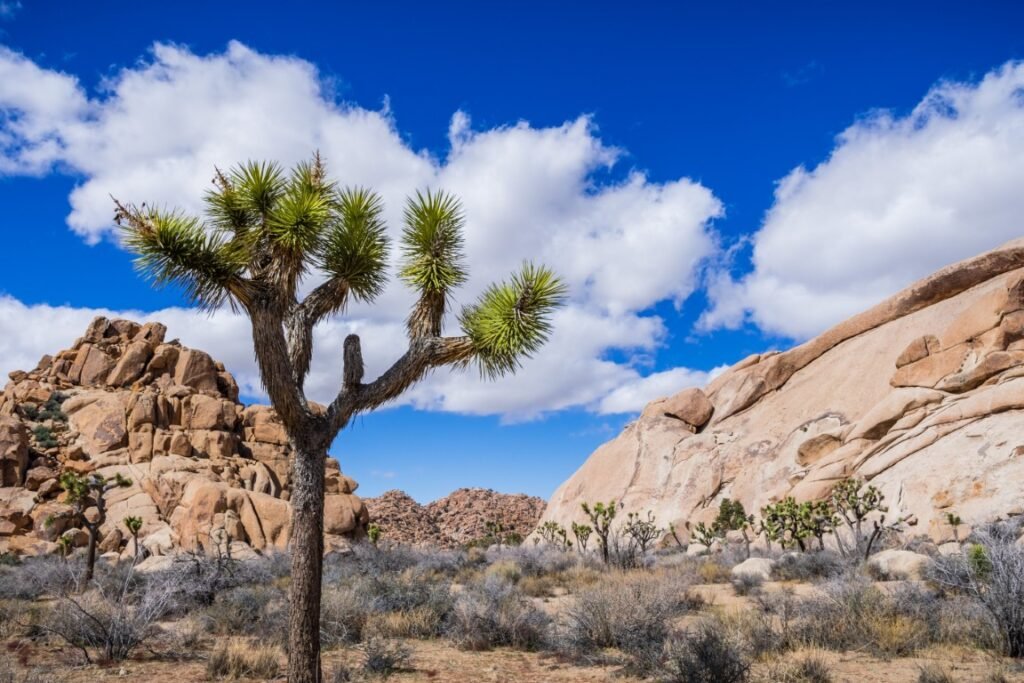
Joshua Tree National Park, California is at its very best in late winter. Daytime temperatures are in the comfortable 60s (versus the 110°F+ of summer), and the park’s surreal boulder fields and twisted Joshua trees beg kids to scramble and explore. Popular stops like Skull Rock, Keys View, and the Hidden Valley Nature Trail are all accessible and never more enjoyable than when the crowds are thin.
Haleakalā National Park, Hawaii is worth mentioning for February specifically — whale season in the waters around Maui peaks between December and March. Visit the volcano for sunrise or crater hikes, then head down to the coast to watch humpback whales breaching offshore. That’s two bucket-list experiences in one trip.
Best National Parks in March for Families
March brings spring break, which means two things: more families hitting the parks, and genuinely improving weather across much of the country. It’s a prime month for desert parks before the summer heat arrives, and some of the southern and mid-elevation parks start to wake up beautifully.

Arches National Park, Utah is at its finest in March. Comfortable hiking temperatures (low 60s to low 70s), dramatic red-rock scenery, and the famous arches without the brutal summer heat or the winter chill. The hike to Delicate Arch (3 miles round-trip, 600 feet of elevation gain) is absolutely doable for kids 7 and up and delivers one of the most iconic viewpoints in all of American travel. Double Arch, just a short walk from the parking area, is a kid paradise — massive sandstone arches you can scramble beneath and around.
Canyonlands National Park, Utah pairs perfectly with Arches — they’re a 30-minute drive apart — and offers even bigger, more dramatic canyon scenery with fewer crowds. The Island in the Sky district has easy rim overlooks accessible to all ages, and the Mesa Arch sunrise is one of the most photographed moments in the national park system for very good reason.
Death Valley National Park has a brief, magical window in March when wildflowers sometimes bloom across the desert floor (rainfall-dependent, but spectacular when it happens). Spring weather is ideal: warm but not dangerous. March and April see the most visitors, so arrive early.
Grand Canyon National Park, Arizona — South Rim specifically — is lovely in March. Snowmelt is still running, the canyon is at its most colorful, and temperatures on the rim are pleasantly cool. Stick to the rim trails with young kids, and save the inner canyon descent for older children who are serious hikers with serious hydration discipline.
Best National Parks in April for Families
April is a sweet spot for family travel — spring break may overlap the beginning of the month, and the shoulder season window before summer crowds is still very much open at most parks. Wildflowers are beginning to bloom across multiple regions, and road openings are starting to happen in higher-elevation parks.
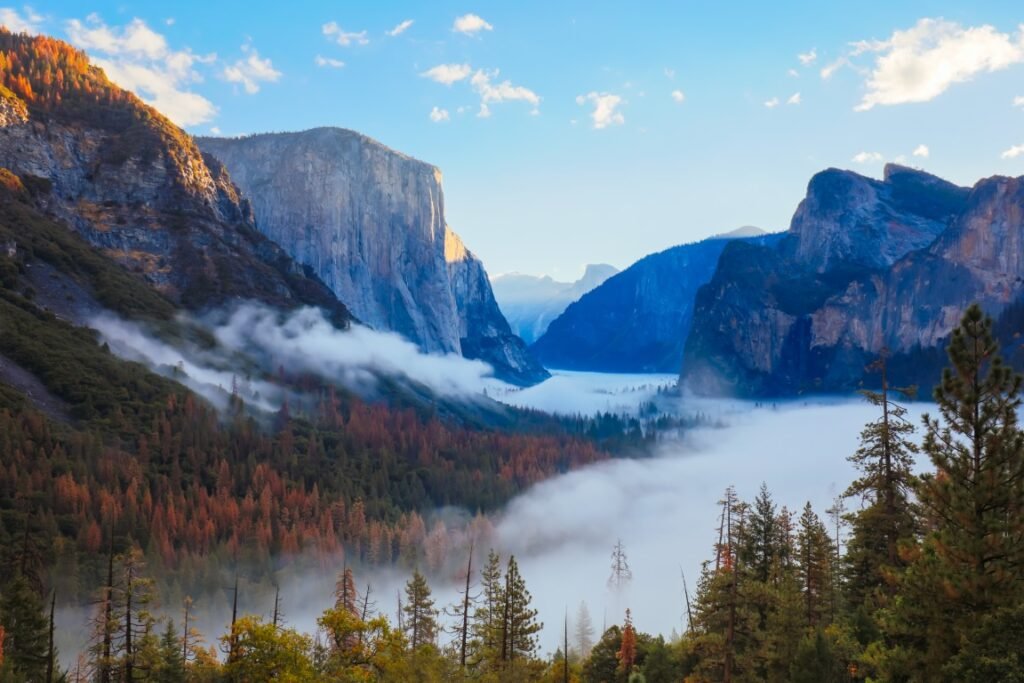
Yosemite National Park, California is genuinely at its most spectacular in April. Snowmelt fuels the famous waterfalls — Yosemite Falls, Bridalveil Fall, and Vernal Fall — and they roar with a power you simply don’t see in drier months. The valley is green, the air is clear, and crowds are a fraction of the summer peak. Valley floor hikes like the Mirror Lake Loop and the trail to the base of Vernal Fall are perfect for families. Note that timed-entry reservations are sometimes required in April — check Recreation.gov well in advance.
Great Smoky Mountains National Park, Tennessee/North Carolina explodes in April with wildflowers. The Smokies host one of the most biodiverse wildflower displays in the entire United States, with dozens of species blooming in sequence from late March through May. The park is free to enter (no fee ever) and kid-friendly trails like Laurel Falls (2.6 miles, paved) and the Alum Cave Trail (4.4 miles round-trip, good for ages 8+) are gorgeous and manageable. Be aware that spring crowds are real — especially on weekends — so plan for weekday visits if possible.
Shenandoah National Park, Virginia is a wonderful spring destination for East Coast families. The 105-mile Skyline Drive through the Blue Ridge Mountains is dotted with spring wildflowers and newly leafed-out forest, and the park sits within easy driving distance of Washington, D.C. and the greater Mid-Atlantic region.
Best National Parks in May for Families
May is one of the best months of the year for national park travel with kids — full stop. School is still technically in session for most of the month (meaning weekday crowds are lighter than summer), but the weather across a huge range of parks is about as good as it gets. High-elevation parks are starting to open their roads, waterfalls are still running strong, and desert parks are warming up but haven’t yet reached dangerous temperatures.
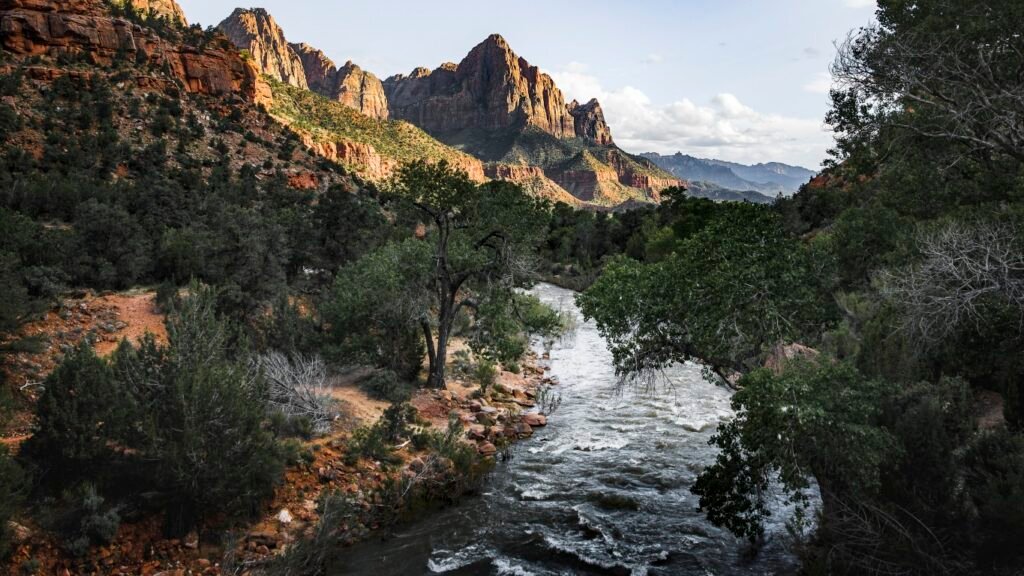
Zion National Park in May is a wildflower wonderland with comfortable hiking temperatures. This is the sweet spot before the summer shuttle madness kicks into full gear.
Yosemite National Park continues to be spectacular through May, with waterfalls at full power and temperatures perfect for valley hiking. It’s the last month before the summer reservation crunch fully arrives.
Rocky Mountain National Park, Colorado sees its high-elevation trail system beginning to open in May. Trail Ridge Road (the highest continuously paved road in North America, reaching over 12,000 feet) typically opens in late May, and the views of alpine tundra with the Rockies stretching in every direction are staggering. Wildflowers in the lower meadows are in full bloom.
Olympic National Park, Washington — a park with multiple distinct ecosystems (rainforest, alpine meadow, and dramatic Pacific coastline all in one) — is beautiful in May before summer crowds arrive. The Hoh Rain Forest trails are lush, green, and otherworldly, and the park’s rugged coastline at Ruby Beach or Rialto Beach is a surreal family adventure.
Family tip for May: Campground reservations at popular parks open months in advance on Recreation.gov. If you’re planning a May trip, the window to book your campsite probably opened in the prior fall. Check as early as possible.
Best National Parks in June for Families
June signals the official start of summer travel, and with it, the opening of nearly all park roads and facilities. High-elevation parks in the Rockies and Pacific Northwest hit their stride in June, Alaska opens fully, and the shoulder season window for desert parks is officially closed.
Glacier National Park, Montana typically sees Going-to-the-Sun Road fully open in late June or early July, making the end of June a fantastic time to visit with slightly lower crowds than peak July-August. The wildflowers are beginning and the park is running at full capacity without the absolute maximum summer crush. Timed-entry vehicle reservations are required at the west entrance — secure these on Recreation.gov up to four months in advance.
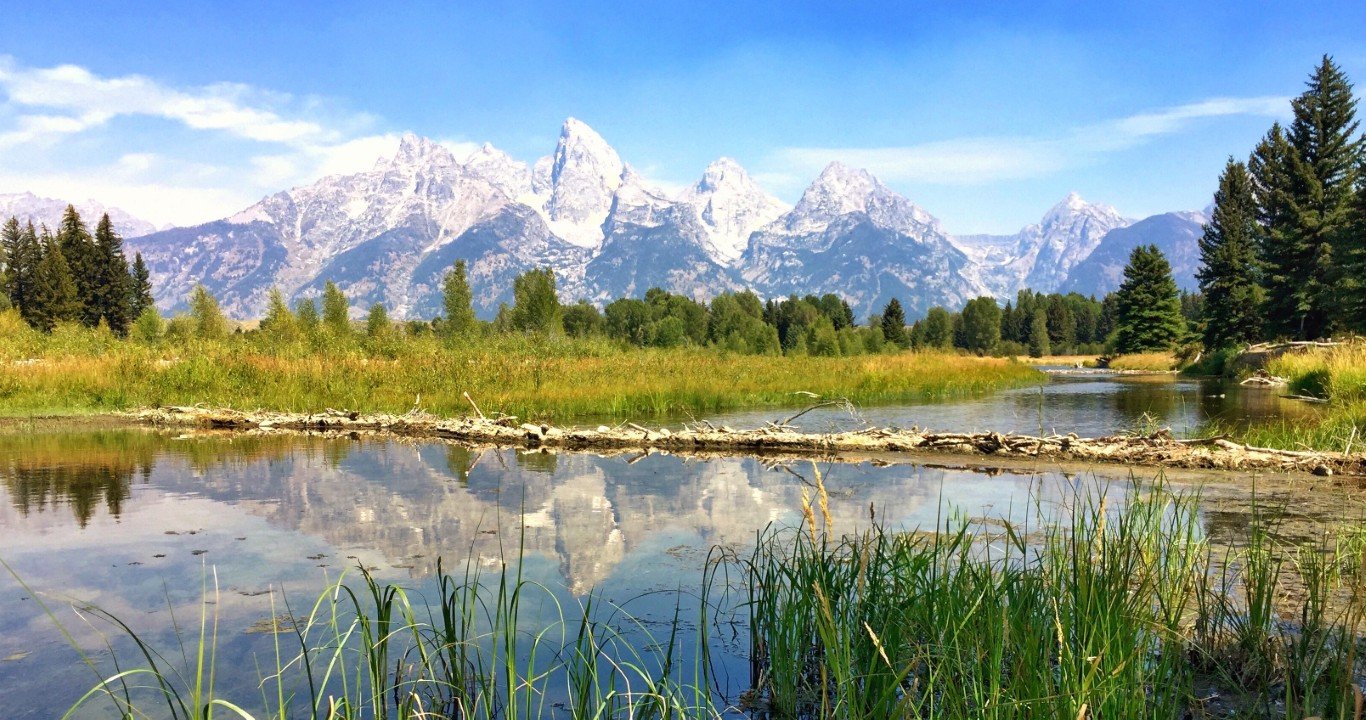
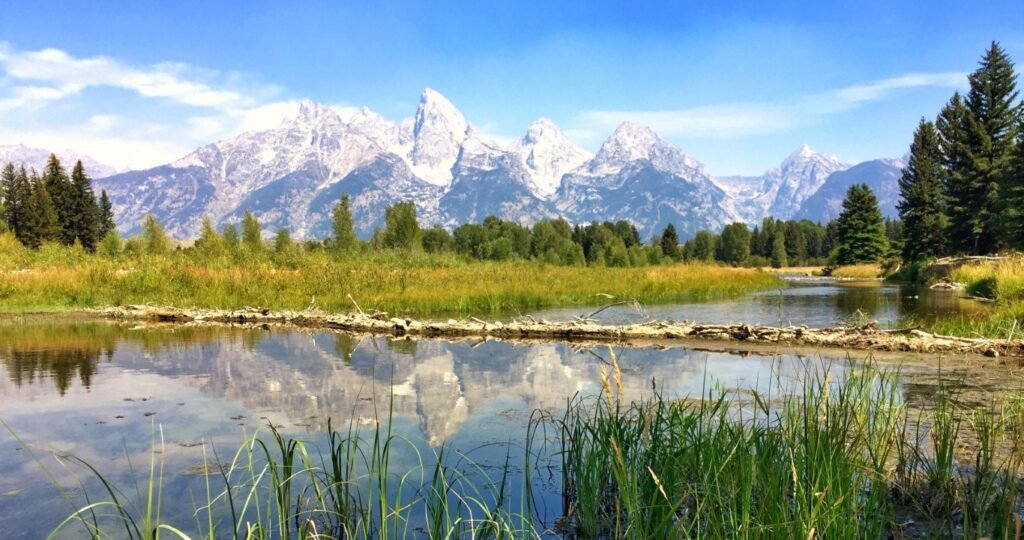
Grand Teton National Park, Wyoming is in full swing by June — all scenic drives are open, wildflower season is building toward its July peak, and wildlife including newborn bison calves and elk are abundant in the valleys. Pair it with Yellowstone for a classic one-two punch road trip.
Grand Canyon National Park North Rim — which is quieter and less visited than the South Rim — opens in mid-May and is at its best in June before the summer crowds peak. The views from the North Rim are actually more dramatic than the South Rim (you’re looking across the canyon at a wider panorama), and the cooler temperatures at 8,000+ feet elevation make family hiking far more comfortable.
Redwood National and State Parks, California are gorgeous in June — the ancient coast redwood groves (the tallest trees on earth) are at their most lush, the cooler coastal climate makes hiking genuinely pleasant, and the park’s Lady Bird Johnson Grove and Prairie Creek Redwoods offer stunning, family-accessible trails under trees that have been standing since before the Roman Empire.
Best National Parks in July for Families
July is peak season at most national parks — biggest crowds, hottest temperatures at desert parks, and the widest range of parks with all trails and facilities open. The strategy in July isn’t to avoid parks altogether; it’s to choose the right ones and plan around the crowds.
Glacier National Park hits full stride in July with Going-to-the-Sun Road open and wildflowers blanketing the alpine meadows. This is genuinely one of the most beautiful places in America in summer — just know that timed-entry reservations and very early (pre-7 a.m.) or late (after 3 p.m.) park arrival are essential for managing the crowds.
Grand Teton National Park reaches peak wildflower season in July, with meadows full of color and all water activities (kayaking Jenny Lake, rafting the Snake River, boat cruises on Jackson Lake) running full schedules. An absolute family highlight month.
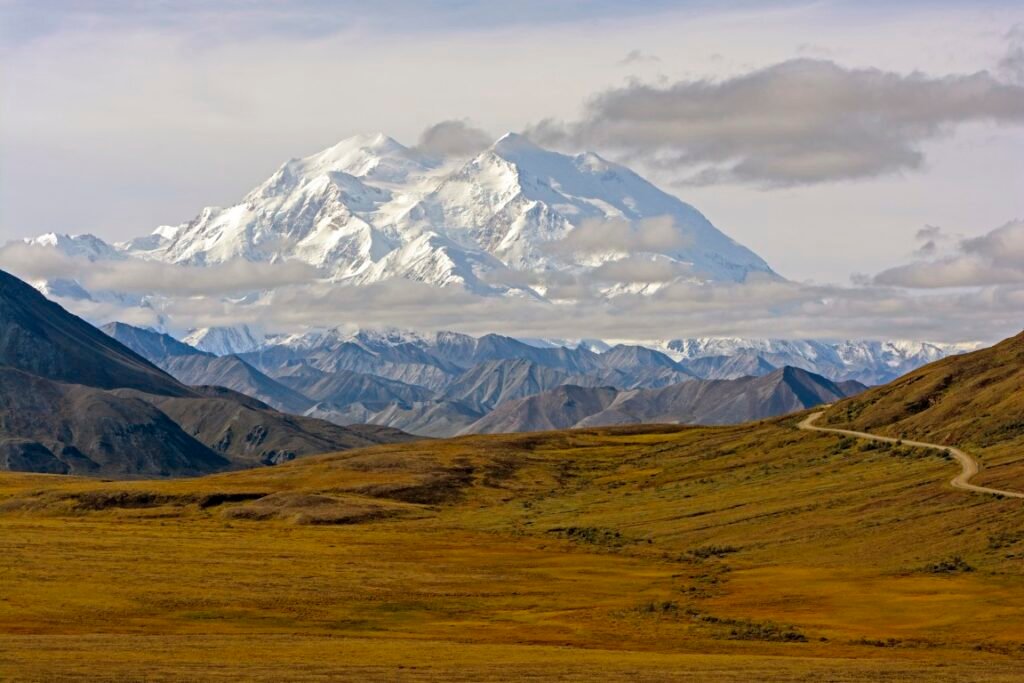
Denali National Park, Alaska and Kenai Fjords National Park, Alaska are at their peak in July. This is the prime window for bear viewing (especially at Katmai, where bears gather to catch salmon at Brooks Falls), glacier boat tours from Seward, and whale watching. Alaska’s summer days are extraordinarily long — 19+ hours of daylight in July — which means kids and parents alike are still energized and alert far later into the evening than they’d expect.
Mount Rainier National Park, Washington sees its famous wildflower meadows approaching peak bloom. The Paradise area trails are spectacular, and the Skyline Loop — through alpine meadows with Mount Rainier towering overhead — is a summer hike that will live in family memory.
Avoid in July: Death Valley (routinely 120°F+), the Grand Canyon inner canyon (dangerously hot), and any park you haven’t secured advance reservations for — July is the single most crowded month across the national park system.
Best National Parks in August for Families
August is high summer, still very busy, but with a subtle shift — July tends to be the absolute peak at many western parks, and August crowds are slightly lighter while the weather and trail access remain excellent.
Yellowstone National Park, Wyoming is in full geothermal and wildlife glory in August. Old Faithful erupts on schedule, the Grand Prismatic Spring glows with its impossible palette of colors, and wildlife — bison, wolves, bears, elk — is abundant across the park’s vast landscape. Yes, it’s crowded. Base yourself on the less-trafficked east side (Cody, Wyoming is a great base) and use the northeast entrance to encounter significantly lighter traffic. Arrive at major attractions before 8 a.m. or after 4 p.m.
Acadia National Park, Maine is a top August pick for East Coast families. The weather is warm but not oppressive (highs in the 70s), the famous carriage roads are perfect for family biking, and the views from Cadillac Mountain — the highest point on the East Coast — are breathtaking at sunrise. Bar Harbor, the gateway town, is charming and well-stocked with family-friendly restaurants and activities. Acadia’s free shuttle system helps manage parking, which fills early.
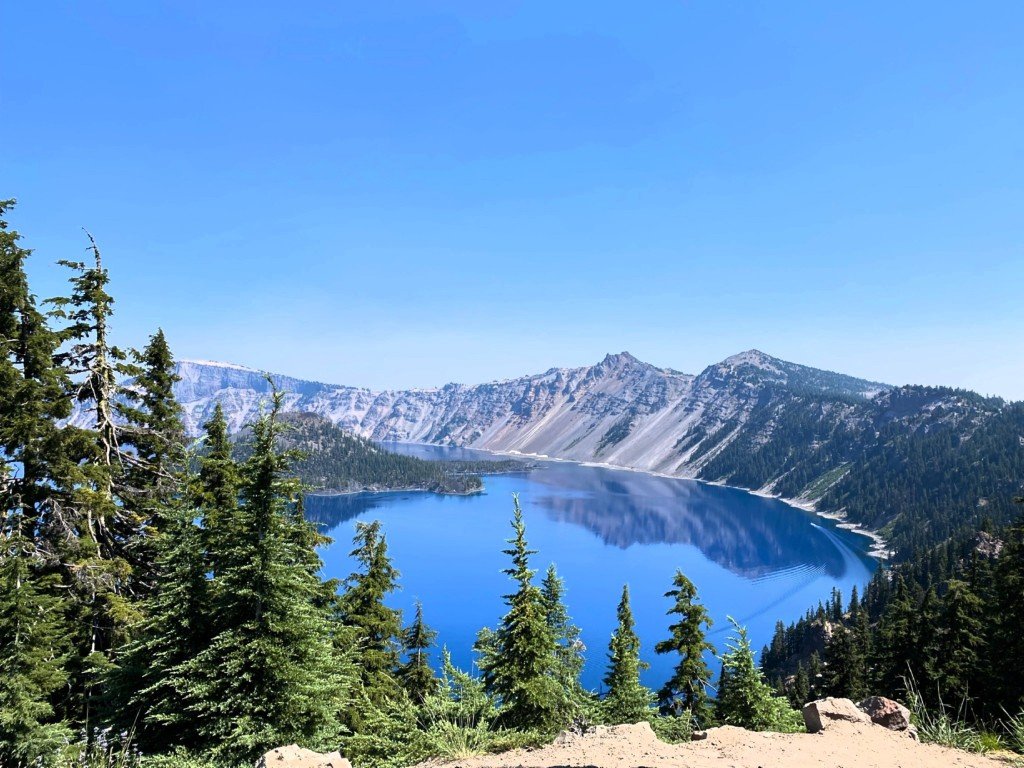
Crater Lake National Park, Oregon hits its prime in August. The rim road is fully open, the volcanic crater lake glows an impossible shade of blue, and boat tours to Wizard Island run daily. This is one of the most under-visited spectacular parks in the country — even in August, it’s manageable.
Lassen Volcanic National Park, California is an August gem — Bumpass Hell’s boiling mud pots and fumaroles, summit hikes up Lassen Peak, and the park’s annual Dark Sky Festival make it a uniquely engaging destination for curious kids. It hosts fewer than half a million visitors a year, making it a dramatically calmer alternative to Yellowstone.
Best National Parks in September for Families
September might be the single best month to visit national parks with family. Summer crowds drop sharply after Labor Day (once kids are back in school), the weather across most of the country is still excellent, and in many parks you start to see the first hints of fall color. It’s the sweet spot.

Grand Teton National Park in September is extraordinary. Aspens and cottonwoods begin their golden turn by mid-September, wildlife viewing intensifies as animals begin the fall rut, and the summer hordes have thinned noticeably. September is when elk bugling begins — an unforgettable sound that carries across the valley in the early morning — and moose are frequently spotted in the willows along the Snake River.
Yellowstone National Park in September is significantly more pleasant than July or August. Bison are still everywhere, the geothermal features haven’t changed, but the parking lots are less chaotic and the boardwalks less congested. The fall colors, particularly the aspens and cottonwoods, begin showing in the canyon areas by late September.
Zion National Park in September offers warm days, clear skies, and the beginning of the crowd reduction that makes fall and winter visits so appealing. Temperatures are still in the 70s and 80s — comfortable for hiking the canyon trails — and the shuttle system is still running (making parking a non-issue).
Great Smoky Mountains National Park begins its legendary fall foliage display in late September, starting at the highest elevations. The park is free to enter and remains open through changing leaves — plan for the color to peak in October, but September brings gorgeous early hints with much lower crowds.
Acadia National Park in September is arguably the best month to visit this already-spectacular park. Shoulder-season prices, the same stunning coastline and carriage roads, and the beginning of fall color across the dense forest. September in Maine is genuinely magical.
Best National Parks in October for Families
October is fall foliage season across the eastern half of the country, and a handful of specific parks are utterly transformed. It’s also when many popular western parks see their most comfortable hiking temperatures of the entire year.
Acadia National Park, Maine in October is peak fall color. The dense forest covering the park’s hills and mountains turns blazing red, orange, and gold, and the combination of fall foliage and dramatic rocky coastline is one of the most photographed natural spectacles in the eastern United States. Crowds are lighter than summer but can be busy during peak color weekends — aim for weekdays.
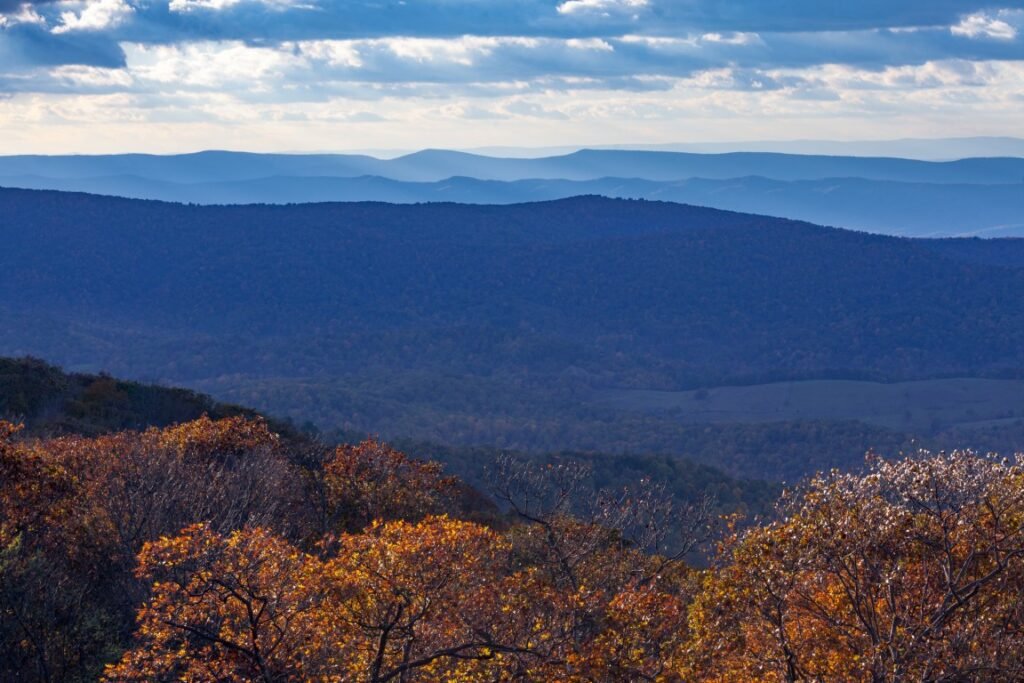
Shenandoah National Park, Virginia is one of the premier fall foliage drives in America. Skyline Drive through the Blue Ridge Mountains in October is lined with blazing hardwoods, and the park’s overlooks deliver panoramic views of the color-swept valleys below. Easy family hikes to Dark Hollow Falls and Stony Man are gorgeous in autumn light.
Arches and Canyonlands National Parks in October are at their absolute best for families. The brutal summer heat is gone, temperatures are in the 60s and 70s — perfect for hiking — and the red rock takes on an even richer intensity in the soft autumn light. Sunrise at Mesa Arch in October with the canyon turning gold is a moment that will make adults cry and kids look at you confused about why you’re crying.
Great Smoky Mountains peak fall color typically arrives between mid-October and early November, depending on elevation. It’s genuinely one of the greatest fall color shows in the country, and the park’s famous wildlife is actively preparing for winter — black bear sightings increase in fall as bears forage intensively before hibernation.
Wildlife tip for October: Elk rut is in full swing through October across Rocky Mountain, Grand Teton, and the Great Smoky Mountains. Bulls bugle, antlers clash, and herds congregate in open meadows at dawn and dusk. This is some of the most dramatic wildlife viewing the parks offer all year.
Best National Parks in November for Families
November is one of the most underrated months for national park travel. Kids may have some days off around Thanksgiving, most parks are dramatically less crowded, and the southern and desert parks are entering their prime season.
Arches, Canyonlands, Capitol Reef, Bryce Canyon, and Zion — Utah’s Mighty Five — are all excellent in November. The crowds have dropped significantly, temperatures in the 40s–60s are ideal for hiking, and the parks’ extraordinary red rock and canyon scenery look incredible with a dusting of early snow or the raking light of low winter sun. This is the season to tackle Utah if the summer heat or crowds have put you off.
Saguaro National Park and Joshua Tree National Park are waking back up in November as temperatures become comfortable again after the scorching summer. Both offer easy, visually dramatic experiences that work well for families of all ages.
White Sands National Park, New Mexico is wonderful in November — the endless white gypsum dune field is uncrowded, temperatures are pleasant, and the low winter light makes the landscape glow a warm gold. Sleds are available to rent at the visitor center for sliding down the dunes — kids are immediately obsessed.
Great Smoky Mountains may still have some late color in early November at lower elevations, and the park is significantly less crowded than October’s peak foliage weeks.
Best National Parks in December for Families
December means winter break, and for families willing to travel, there are genuinely remarkable national park experiences waiting — some of them far better in December than any other time of year.
Everglades National Park, Florida is in excellent shape in December — the dry season has begun, temperatures are in the comfortable 70s, and wildlife is starting to concentrate around the receding water sources. December is actually less crowded than January or February (which see the highest winter visitation), so it’s a smart early-mover play. Alligators, roseate spoonbills, anhinga, and manatees are all active and viewable.
Joshua Tree National Park, California is at its finest in December. Daytime temperatures in the 60s make it perfect for hiking and bouldering, nights are cold and perfect for stargazing (Joshua Tree is a designated Dark Sky park), and the rock formations — which kids will immediately want to scramble all over — are accessible without the summer heat making everything miserable.
Hawaii Volcanoes National Park, Big Island is spectacular year-round, but December is wonderful for families escaping mainland winter. The park’s two active volcanoes — Kīlauea and Mauna Loa — have shaped landscapes that look like nowhere else on earth. The Kīlauea Iki hike (4 miles, loops across the floor of a former lava lake) is one of the most surreal family hikes in the entire national park system — you walk across cooled, cracked lava with steam still venting from below. Kids think they’ve landed on a different planet.
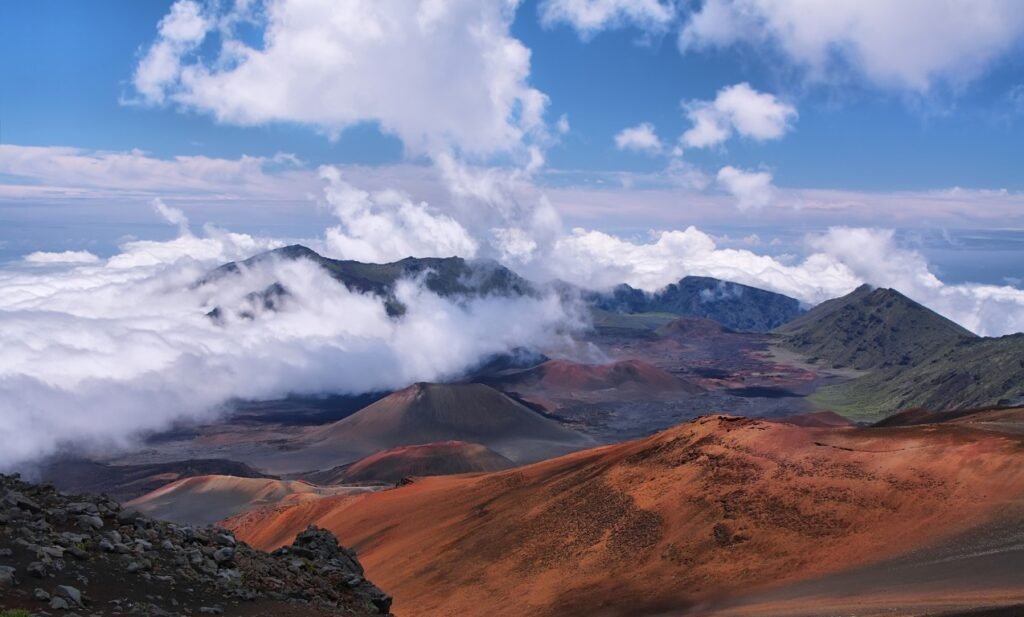
Haleakalā National Park, Maui in December pairs perfectly with whale season off Maui’s coast (humpbacks arrive December through March). Catch sunrise from the summit crater (one of the most famous experiences in Hawaii — book the sunrise reservation well in advance) and then head to the Kīpahulu District on the Road to Hana side for the Pipiwai Trail, a 4-mile round-trip through bamboo forest to the 400-foot Waimoku Falls. Spectacular and very doable for kids 7 and up.
Bryce Canyon National Park in December is one of the park’s most magical states — hoodoos capped with snow, a free park snowshoe program, and almost no crowds. For families who don’t mind cold (temperatures in the 20s–40s) and want a genuinely unforgettable winter landscape, Bryce in December is a secret worth knowing.
The Big Picture: Timing Tips for Family National Park Trips
After looking at the best time to visit national parks with family month by month, a few broader patterns emerge that are worth keeping in mind as you plan.
Shoulder seasons are your best friend. May, early June, September, and October consistently offer the best combination of great weather, open facilities, and manageable crowds. If your family’s schedule allows travel outside July and August, you’ll have a dramatically different (and usually better) experience at most popular parks.
Summer is unavoidable for some parks. Alaska, Glacier, the Pacific Northwest highlands, and any high-elevation mountain park is simply best — or only accessible — in summer. For those parks, planning ahead (booking reservations months in advance, arriving very early, going on weekdays) is the key to managing the crowds.
Desert parks flip their seasons. While most parks peak in summer, desert parks like Death Valley, Saguaro, Joshua Tree, and the Florida parks are at their best in fall, winter, and early spring. Visiting them in summer is either dangerous or deeply unpleasant — save them for the cooler months.
Free days add up for families. The National Park Service designates several fee-free days each year (typically around Martin Luther King Jr. Day, National Park Week in April, Juneteenth, and Veterans Day in November). The America the Beautiful Annual Pass ($80/year) covers entrance fees at all 63 national parks and pays for itself after two or three park visits with a vehicle.
Junior Ranger programs work at every park, every month. The NPS Junior Ranger program is available at virtually every national park year-round. Kids complete age-appropriate activity booklets, attend a ranger talk (or find an alternative way to engage at quieter parks), and earn an official badge or patch at the visitor center. It gives kids a genuine sense of ownership over the park experience — they’re not just tourists, they’re junior rangers with a mission. Many parks also have online Junior Ranger programs you can start before your trip.
No matter what month you’re reading this, there’s a national park with your family’s name on it right now. The only wrong time to go is never.
Learn more and read our guide to the best national parks for families.