If the East Coast has Acadia and the Smokies, the West Coast has, well… almost everything else.
The western national parks carry a reputation — sometimes intimidating, sometimes well-deserved — for being vast, remote, and best suited to serious hikers with serious gear and serious quad muscles. And sure, some of them are. But the West Coast is also home to some of the most accessible, genuinely mind-blowing national parks for families in the entire country. Parks where your five-year-old can hike to a 600-foot waterfall. Where your toddler can stand next to the world’s largest tree and still not be able to see the top. Where your tween can wade into the edge of a primordial rainforest and feel like they’ve stepped into another world.
The trick is knowing which parks to choose — and what to do once you’re there. This guide covers the best national parks on the West Coast for families, with specific hikes, honest kid-friendly activity breakdowns, and the practical planning details that actually matter when you’re traveling with children.
How We’re Defining “West Coast” Here
For this guide, we’re focusing on the three Pacific Coast states — California, Oregon, and Washington — where the majority of family-ready West Coast parks are concentrated. You’ll notice the list leans heavily California, which is simply a reflection of the sheer density of world-class parks in that one state. Oregon and Washington more than hold their own, though, and we’ve made sure to represent both.
1. Yosemite National Park (California)
Best for: All ages; waterfall chasers; families who want iconic scenery with minimal effort Best season: Spring (April–June) for peak waterfalls; Fall (September–October) for fewer crowds Entry fee: $35/vehicle
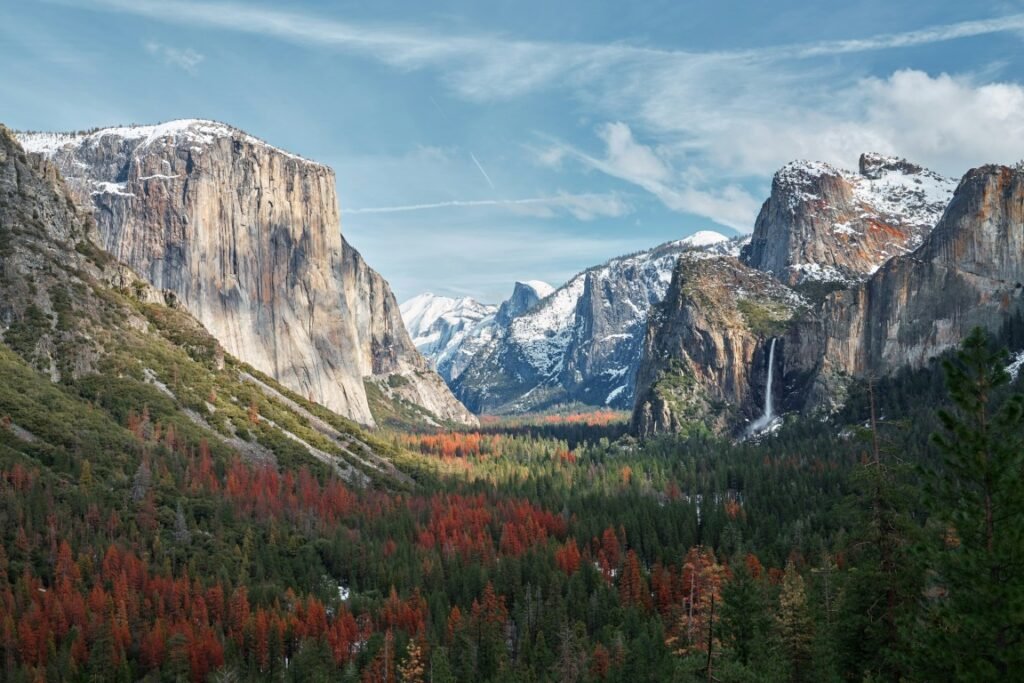
There is no diplomatic way to say this: Yosemite is one of the most spectacular places on Earth, and the fact that children can experience it at an age when it will permanently shape how they see the natural world is genuinely one of the great gifts of the national park system.
The Yosemite Valley is where most families spend their time, and for good reason — within a few square miles, you have El Capitan rising 3,000 feet from the valley floor, Half Dome presiding over the eastern end of the valley, and waterfalls dropping from granite ledges so high they create their own weather. At sunrise, El Capitan and Half Dome light up in brilliant shades of orange and red — set an alarm, seriously. And unlike many dramatic landscapes, Yosemite Valley is remarkably accessible.
The Lower Yosemite Falls Trail (1.2 miles round trip, fully paved, almost zero elevation gain) is AllTrails’ top-rated kid-friendly hike in the entire park, and it earns that distinction every time. The trail delivers you to the base of the lower tier of North America’s tallest waterfall — 320 feet of cascading water — in under 30 minutes of easy walking. In spring, the mist soaks you from 50 feet away. Kids are stunned. Parents are stunned. It’s a genuinely perfect family hike.
Bridalveil Fall Trail (0.5 miles round trip, paved) is another essential. You’ll see the waterfall the moment you enter the valley — it drops 620 feet from a hanging valley above — and the short trail brings you close enough to feel the spray. The Ahwahneechee people believed inhaling the mist increased one’s chances of marriage, a fact that delights children and embarrasses teenagers in equal measure.
Cook’s Meadow Loop (1 mile, flat, paved) is the unsung hero of family hikes in the valley — a gentle stroll through open meadow with sweeping views of Half Dome, Yosemite Falls, Glacier Point, and Sentinel Rock. It’s wheelchair and stroller friendly, takes about 30 minutes at a child’s pace, and the scenery is genuinely world-class the whole way around. Perfect for little legs after a long drive in.
For families with older or more energetic kids, the Mist Trail to Vernal Fall Footbridge (1.6 miles round trip) is the classic Yosemite family adventure. The paved trail follows the Merced River to a footbridge with a spectacular head-on view of 317-foot Vernal Fall. Stop at the footbridge with younger kids; continue up the 600 granite steps to the top of the fall with older ones who have the legs for it.
The Mariposa Grove of Giant Sequoias deserves its own day. Take the free shuttle from the welcome plaza and walk the paved Big Trees Loop (0.3 miles, completely flat, stroller-friendly) through a grove of trees that are 1,000 to 2,000 years old. The Grizzly Giant Loop (2 miles round trip) extends the experience to include the park’s oldest sequoia and the famous California Tunnel Tree — a fallen sequoia with a passage carved through it that kids can walk through.
Kid-friendly activities beyond hiking: Here’s one of the best-kept secrets of Yosemite: the park’s free shuttle system is so well-run that many visitors park their car on arrival and don’t move it again for days. Every major valley attraction has a shuttle stop, you can bring a stroller on board, and not fighting for parking at every trailhead is genuinely life-changing with small children. Make a point of exploring beyond the most-photographed spots — the park is enormous and rewards families willing to take the shuttle a few stops further than the crowds. In summer, kids can float the Merced River on rental tubes. And Yosemite’s Junior Ranger program (free, available at visitor centers) is one of the best in the national park system.
Family tip: Yosemite requires advance reservations for daytime vehicle entry between late April and late October. Book your timed entry permit at recreation.gov as soon as your travel dates are confirmed — they release permits two weeks rolling and sell out within minutes. Also — and this is not a drill — do not leave food in your car overnight in California parks. Bears have learned to identify coolers, grocery bags, and even fast food wrappers through car windows, and they are very motivated. They can and will rip off a car door for a forgotten granola bar. Use the bear boxes at campgrounds and trailheads, every single time. Lodge at Curry Village and Yosemite Valley Lodge book out six months ahead in summer. Plan accordingly.
Prefer to take a tour instead? Book this Yosemite Highlights Small Group Tour.
2. Olympic National Park (Washington)
Best for: Families who want three completely different ecosystems in one park Best season: Summer (June–September); late May and September for lighter crowds Entry fee: $35/vehicle
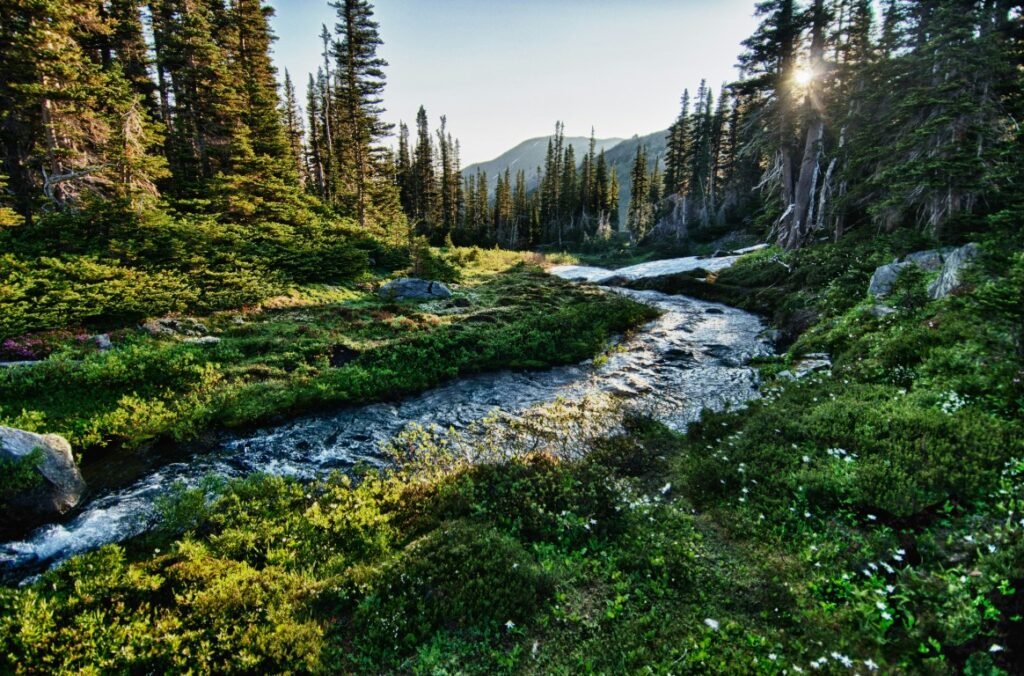
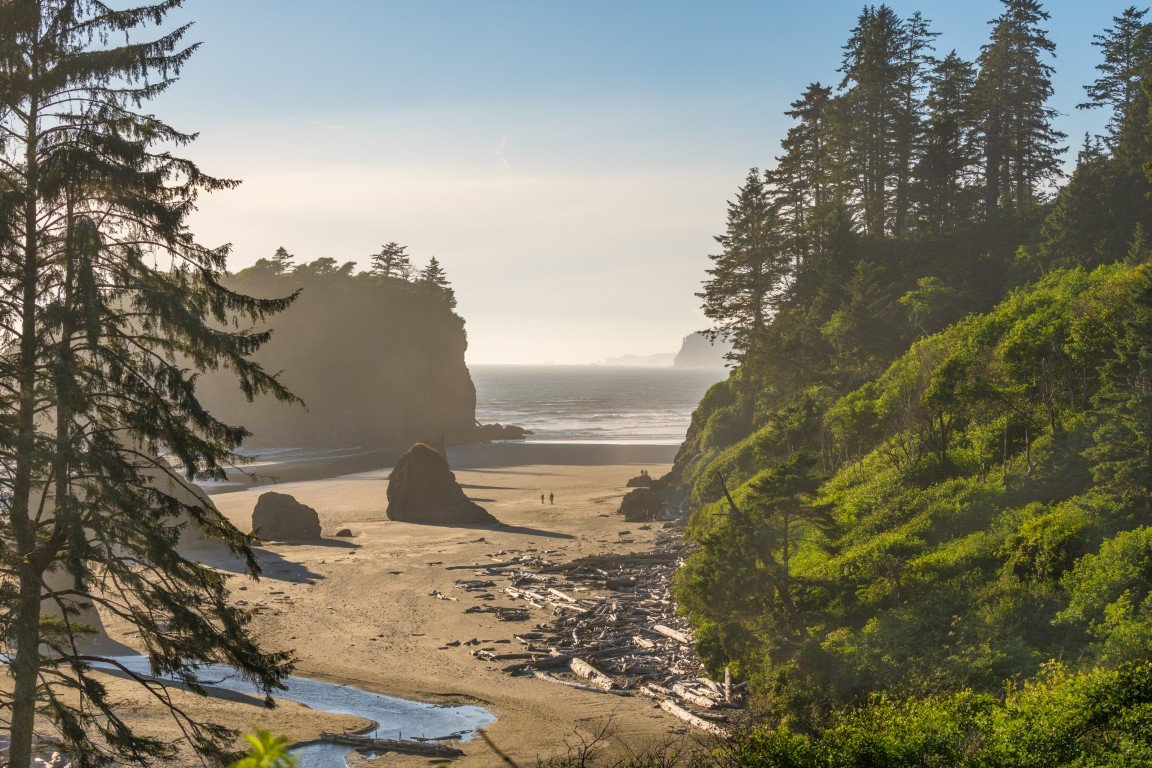
Here’s the pitch for Olympic that always lands with families: in a single park, you can hike through a temperate rainforest draped in glowing green moss, watch the sunset from a wild Pacific coastline studded with sea stacks and tide pools, and climb to an alpine ridge with panoramic views of snow-capped Olympic Mountains and Puget Sound — all within an hour’s drive of each other. No other park on the West Coast offers this kind of variety in such a compact, navigable package. The park covers nearly one million acres, and its 1,000-year-old cedar trees, unspoiled alpine meadows, and mirror-like glacial lakes feel like something from a fantasy novel.
The Hoh Rain Forest is where most families start, and for good reason. The Hall of Mosses Trail (1.1 miles, 78 feet elevation gain) is a short, almost flat loop through one of the most otherworldly landscapes in the entire national park system. Ancient bigleaf maple trees draped in curtains of bright green moss create a cathedral-like canopy overhead. Roosevelt elk wander through. The light filters down in shafts through the canopy. Kids get very quiet in there, which is either magical or deeply suspicious depending on your child. Either way, it’s unforgettable. The adjacent Spruce Nature Trail (1.4 miles, nearly flat) adds a riverside walk through towering Sitka spruce — do both in one morning.
For the easiest possible waterfall with the biggest payoff, Madison Falls (0.2 miles, paved, wheelchair-accessible) is just a short walk from the parking lot. Done in minutes, completely stunning. Marymere Falls Trail (1.8 miles round trip, gentle grade) near Lake Crescent is another family favorite — a pleasant walk through old-growth forest ending at a delicate 90-foot waterfall.
Hurricane Ridge is the park’s high-elevation highlight and completely worth the drive — just 17 miles from Port Angeles, making it one of the most accessible mountain viewpoints of any national park. The Big Meadow Trail (0.5 miles, nearly flat) offers sweeping mountain views with almost zero effort, and deer graze here so regularly that encountering one is practically guaranteed. On clear days, you can see Vancouver Island from the ridge. The Hurricane Hill Trail (3.2 miles round trip) climbs to a summit with 360-degree views that older kids will remember for years.
On the coast, Ruby Beach and Rialto Beach are short scrambles down from the parking lot to dramatic shores littered with driftwood, sea stacks, and tide pools. Rialto also features the famous Hole-in-the-Wall sea arch, reachable at low tide — an absolute highlight for young explorers.
If you visit in September or October, don’t skip Salmon Cascades in the Sol Duc Valley. You can watch salmon leaping upstream against the current in extraordinary numbers — it requires zero hiking and produces genuine awe in children of all ages.
Kid-friendly activities beyond hiking: Olympic offers the Ocean Stewards Junior Ranger Program focused on the coastal ecosystem. The Sol Duc Hot Springs (three mineral pools from 99°F to 104°F, plus a freshwater pool) are a wonderful reward after a day of hiking — day passes are available for non-resort guests. Lake Crescent offers kayak and canoe rentals in summer.
Family tip: Olympic is a genuinely large park with significant driving between its main sections. Don’t try to cram rainforest, ridge, and coast into a single day — you’ll spend more time in the car than anywhere else. Budget at least three days. Bring rain gear regardless of the forecast — the Hoh Rain Forest receives over 140 inches of rain annually. Weather and road conditions can change quickly, so check the park website before heading out each morning. If you only have a day, consider this Olympic National Park Small Group Day Tour.
3. Sequoia & Kings Canyon National Parks (California)
Best for: Families who want to be humbled by ancient giants; all ages including toddlers Best season: Summer (June–September) when all roads are open; spring for fewer crowds Entry fee: $35/vehicle (covers entry to both parks for 7 days)
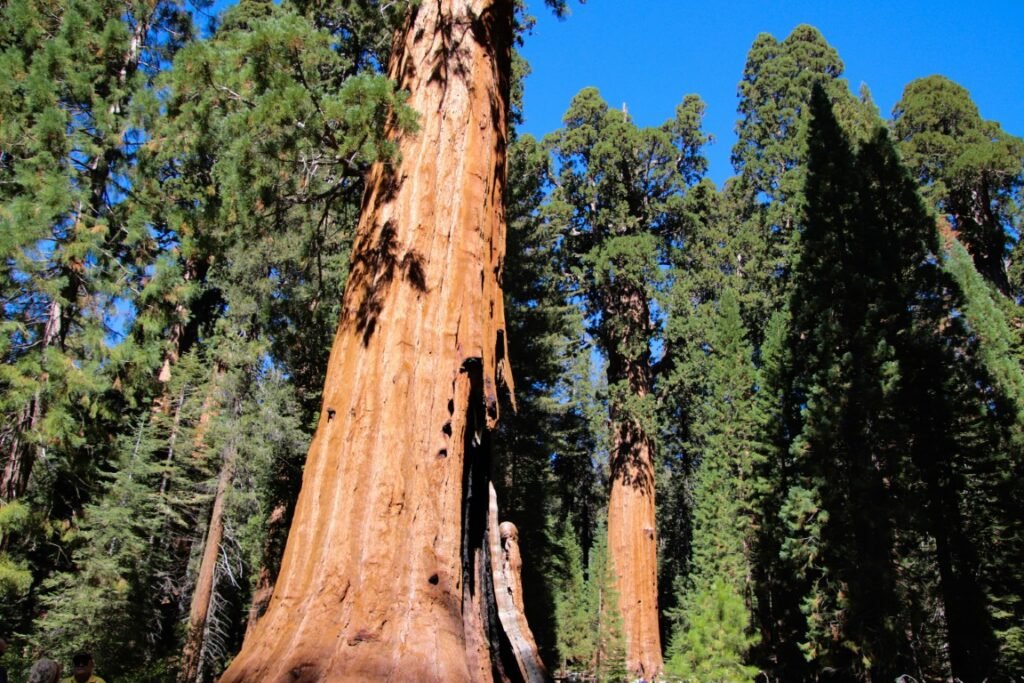
These two parks sit side by side in the southern Sierra Nevada, and while they’re technically separate, most families visit them as one continuous experience — which is absolutely the right call. Together they protect the largest concentration of giant sequoias on Earth. John Muir himself once called Sequoia a rival to Yosemite, and standing among these trees is one of those national park experiences that rewires something in your brain about the scale of living things.
The General Sherman Tree Trail in Sequoia is non-negotiable. This is the largest living tree on Earth by volume — 275 feet tall, 36 feet in diameter, about 2,200 years old, and weighing more than 2.5 million pounds. That last fact is the one that tends to make kids’ eyes go wide. The short trail down to the tree (0.3 miles from the Sherman Tree parking lot) is paved and manageable for all ages. Want to avoid the crowds? Go early. Arriving at sunrise on a weekday, families have reported having the whole thing to themselves — which is exactly as magical as it sounds.
From the General Sherman Tree, continue onto the Congress Trail (2 miles round trip, paved, moderate). This loop takes you deeper into the forest past sequoias called “The Senate” and “The House” — clusters of enormous trees that make the giant Sherman seem almost modest in context. It’s flat enough for most school-age children and immersive enough that the novelty genuinely doesn’t wear off.
For a short burst of drama and incredible views, the Moro Rock Trail (0.5 miles round trip, 350 granite stairs) climbs to a bald granite dome summit with 360-degree panoramas of the Sierra Nevada and the valley far below. Families with toddlers can babywear this one — the stairs are wide and well-railed.
In Kings Canyon, the General Grant Tree Loop (0.7 miles, easy) brings you to the second-largest tree in the world, while the Big Stump Loop (1.7 miles, easy) tells the sobering conservation story of what these forests looked like before they were protected, complete with a ladder to climb onto one of the massive stumps — endlessly satisfying for children.
Don’t miss the Tunnel Log — a fallen sequoia on Crescent Meadow Road with a passage carved through it wide enough for cars to drive through. You can also walk through on foot. It’s a two-minute stop that produces outsized delight in children of every age.
Kid-friendly activities beyond hiking: The Giant Forest Museum has excellent interactive exhibits. Crystal Cave tours (book in advance) take families underground into a marble cavern that cave-curious kids will love. One critical practical note: gas up fully before entering. There’s only one gas station inside Sequoia National Park, and it’s expensive. Don’t let a fuel stop cut your time with the trees short.
Family tip: The entrance road to Sequoia is narrow, steep, and winding — vehicles over 22 feet are not permitted on the main park road. Leave the trailer home. Altitude also matters here: the Giant Forest area sits at about 6,400 feet, which can cause mild altitude sickness in young children. Drink extra water, take it slow on the first day, and watch for headaches or unusual fatigue. Or join this Sequoia National Park Small-Group Tour.
4. Redwood National and State Parks (California)
Best for: Families who want towering ancient forests without the Yosemite crowds Best season: April–October (drier, warmer); summer for peak experience Entry fee: FREE (the national park portion has no entrance fee)
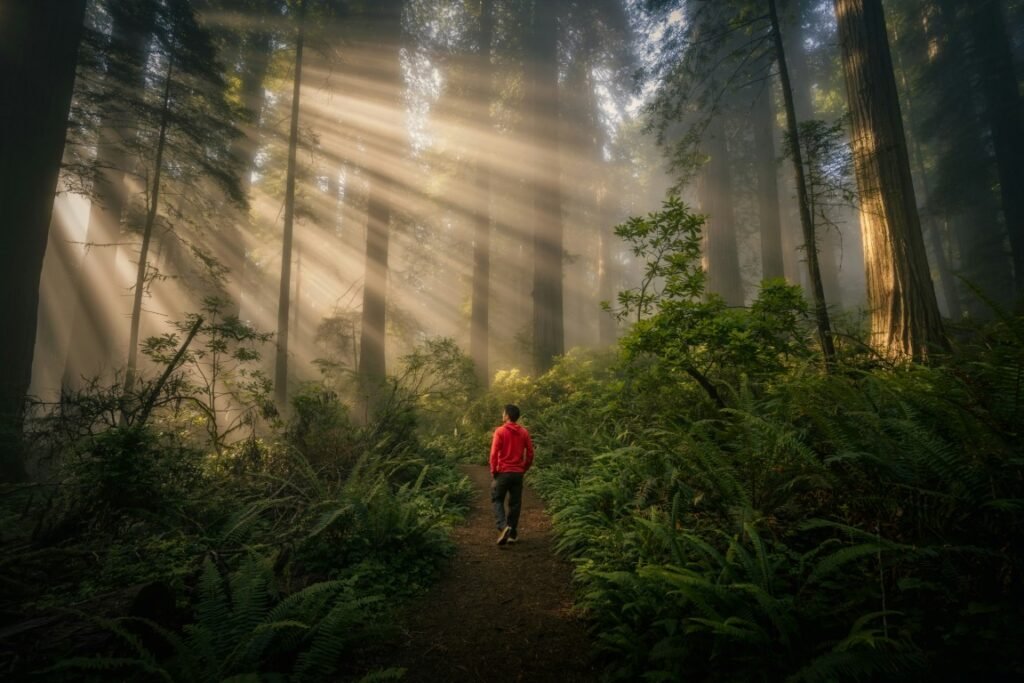
Redwood is one of the most underrated parks on this entire list, and it consistently surprises families who arrive expecting a “smaller Sequoia” and instead find something utterly its own. The coast redwoods here are the tallest trees on Earth — some exceeding 350 feet, with the oldest standing for over 2,000 years. Walking among them produces a specific kind of awe that’s different from any other forest experience: an immense, cathedral-like verticality that makes even adults feel very, very small. It genuinely feels like a different continent.
The Lady Bird Johnson Grove Trail (1.4 miles, easy loop, 200 feet elevation gain) is the park’s most accessible family hike — a gentle loop through old-growth redwood forest with a boardwalk section and interpretive signs that keep curious kids engaged the whole way. The trees here are enormous, the light is magical in the morning, and the trail is very manageable for children aged five and up.
For younger children, the Fern Canyon Loop is one of the most visually arresting 30-minute walks you’ll ever do — a 1.2-mile loop descending into a slot canyon with 50-foot walls covered entirely in five-finger ferns. There are stream crossings that require waterproof shoes or creative log-hopping, which kids treat as a feature rather than an obstacle.
Kid-friendly activities beyond hiking: Roosevelt elk herds roam the park’s prairies, particularly Elk Meadow on the Newton B. Drury Scenic Parkway — sightings are regular and reliable. Driving the Parkway (10 miles, car-free in summer) is an activity in its own right, winding beneath ancient redwood canopy with multiple short pullout walks.
Family tip: Cell service along Highway 101 through Redwood is unreliable. Download offline maps before you enter — the National Geographic waterproof trail map series is ideal, including topography and back-road detail that standard maps miss. Consider taking this Self Guided Driving Audio Tour of Redwood National and State Park. Also note that the park is a co-managed system of national and state sections; the America the Beautiful pass covers national park portions but not California State Park day-use fees (around $8–$12 per vehicle).
5. Crater Lake National Park (Oregon)
Best for: Families who want something completely unlike any other park they’ve visited Best season: July–September (road and visitor facilities fully open; park is buried in snow otherwise) Entry fee: $35/vehicle
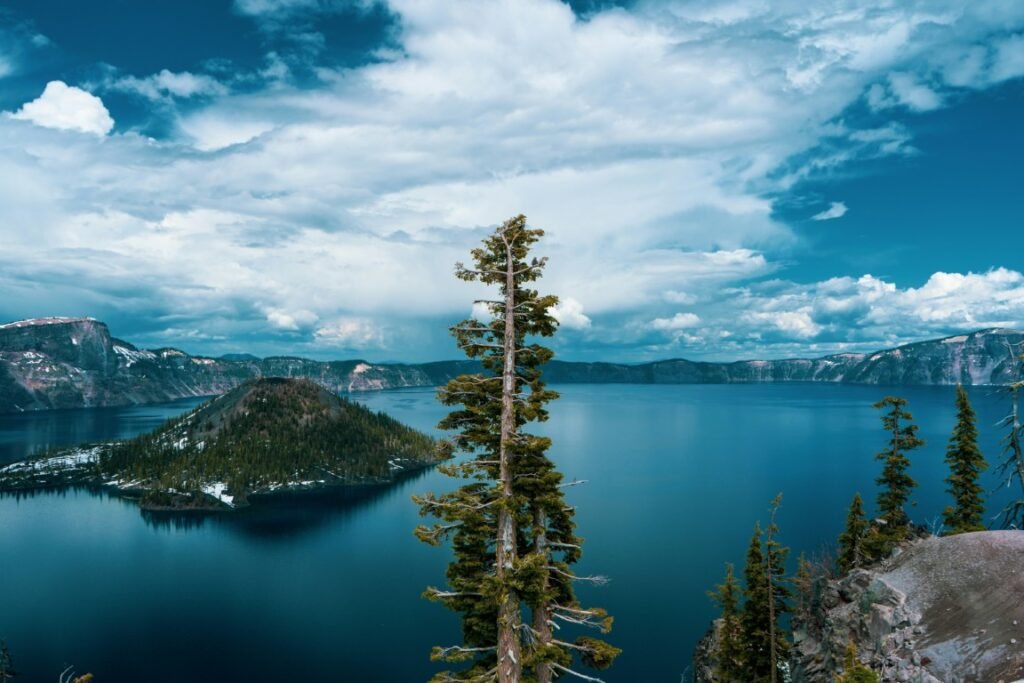
Oregon’s only national park is one of its most dramatic natural wonders — and one of the most undervisited parks on this list. Crater Lake was born 7,700 years ago when the volcano Mount Mazama collapsed, witnessed by Native Americans at the time. What makes it extraordinary is the color. The water is so deep (almost 2,000 feet, making it the deepest lake in the United States) and so clear that it reflects a shade of blue that doesn’t look real. Photographs don’t capture it. You need to see it with your own eyes.
The Rim Drive (33 miles, listed as a historic district on the National Register of Historic Places) circles the entire caldera and is the easiest way for families with very young children to experience the park’s full splendor. Multiple overlooks offer different angles of the lake at different times of day — a genuinely great option if you have children too young for extended hiking.
The Discovery Point Trail (2.4 miles out-and-back, minimal elevation gain) follows the rim with sweeping lake views throughout and comfortable terrain for shorter legs. The Pinnacles Trail (1 mile, easy, out-and-back) reveals natural volcanic chimneys and dramatic spires formed by ancient ash deposits that kids find genuinely strange and fascinating.
For families with older kids, the Cleetwood Cove Trail (2.2 miles round trip, steep 700-foot descent and ascent) is the only trail in the park that reaches the water’s edge, where families can swim or take a boat tour out to Wizard Island — a cinder cone volcano rising from the center of the caldera. Best for kids aged eight and up.
Kid-friendly activities beyond hiking: Ranger-led Junior Ranger programs run throughout summer. Daily boat tours to Wizard Island are a bucket-list experience for older children — book well in advance. The park’s gift shops are also genuinely excellent, for what it’s worth. Check out this Self Guided Driving Audio Tour in Crater Lake.
Family tip: Crater Lake typically only opens its full facilities from early July through mid-October. Even in summer, afternoon thunderstorms are common and the rim can be 20°F cooler than the valley below. Pack warm layers even in August, and always check road conditions at nps.gov/crla before you go.
6. Mount Rainier National Park (Washington)
Best for: Families who love wildflowers, glaciers, and jaw-dropping mountain views close to Seattle Best season: July–September (peak wildflower bloom mid-July through August) Entry fee: $35/vehicle
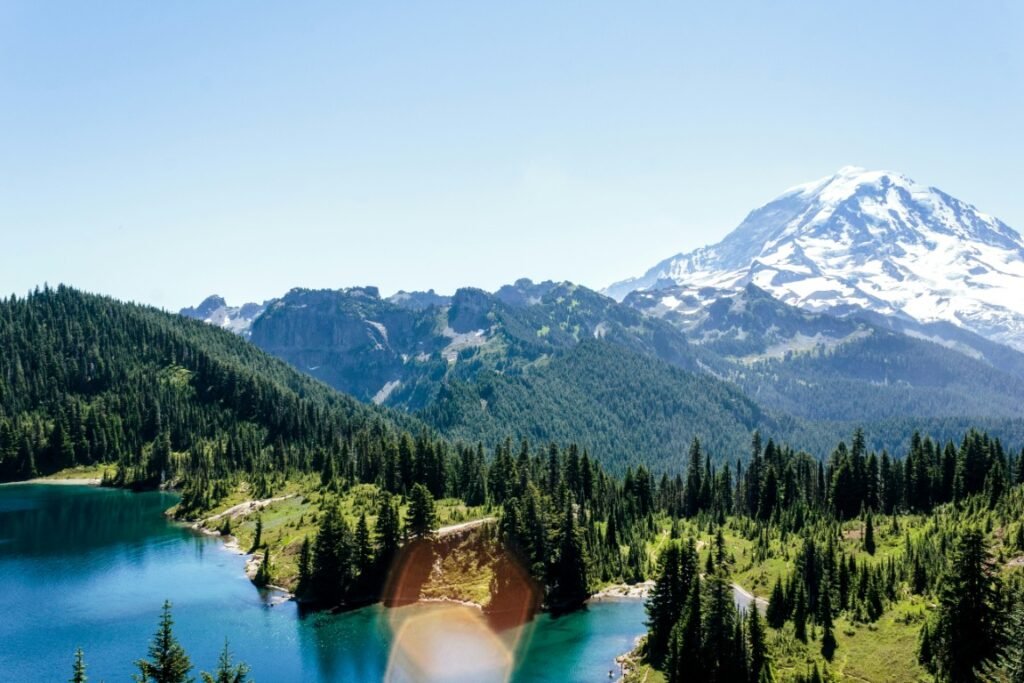
If you’re based near Seattle or adding a second Washington park to your trip, Mount Rainier is the answer. At 14,410 feet, the massive snow-capped stratovolcano is also the most glaciated peak in the contiguous United States — and it presides over Washington State like a benevolent giant. It was naturalist John Muir who helped designate it as a national park in 1899, and standing in its shadow, you understand exactly why he bothered.
The standout family hike is the Nisqually Vista Loop (1.2 miles, a few short steep climbs, largely stroller-accessible) — a trail that rewards with breathtaking views of Mount Rainier itself and the Nisqually Glacier. The Paradise area where this trail begins is also home to some of the most spectacular wildflower meadows in the entire national park system, usually at their best from mid-July through August.
The Myrtle Falls Trail (about 1 mile from the Paradise parking area, gentle grade) leads to a 72-foot waterfall framed by a classic wooden footbridge with Mount Rainier as the backdrop — essentially impossible to take a bad photo here, which your kids will use against you when they count the shots you’ve taken.
Sunrise, at 6,400 feet, is the highest vehicle-accessible point in the park and offers 360-degree panoramas of mountains, glaciers, and wildflower meadows — slightly less crowded than Paradise in peak summer, and just as stunning.
Family tip: Mount Rainier’s weather is famously unpredictable — Pacific Ocean influences mean conditions change quickly, and summer highs hover in the 60s to 70s F even on clear days, with rain possible at any time. Dress in layers, always.
Check out this Mt. Rainier National Park Highlights Tour.
7. North Cascades National Park (Washington)
Best for: Families seeking jaw-dropping scenery without the famous-park crowds Best season: Mid-June through mid-September Entry fee: Free (no entrance fee!)
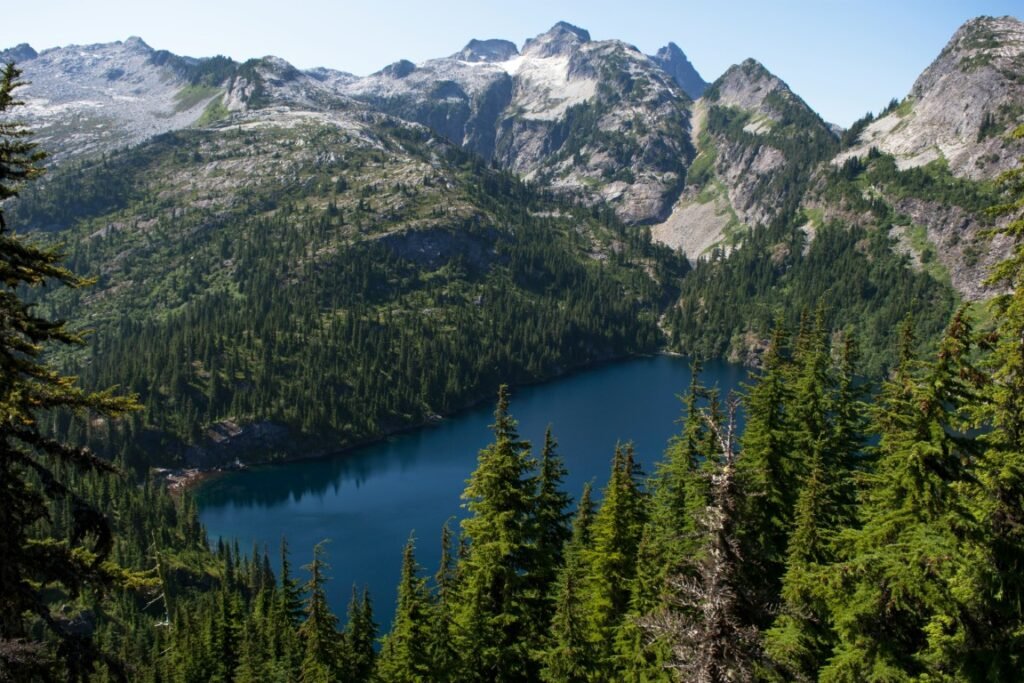
North Cascades is Washington’s hidden gem and one of the most dramatic, least-visited parks in the country. Less than three hours from Seattle, it packs jagged peaks, over 300 glaciers, cascading waterfalls, and turquoise glacial lakes into a landscape that feels genuinely wild and remote. The park’s alpine landscape, forested valleys, and cascading waters are the result of millions of years of geologic activity — and the result is scenery that reliably stops families in their tracks.
For families, the Thunder Knob Trail (3.6 miles round trip, moderate) is the star — a family-friendly hike culminating in big views of Diablo Lake, whose glacier-fed turquoise color is one of those things you have to see in person to believe. Glacial rock flour suspended in the water creates a vivid aquamarine that photographs consistently fail to do justice. Kids are reliably amazed. The North Cascades Highway Scenic Drive (the only paved road in the park) is spectacular as a standalone activity, with viewpoints of gorgeous lakes and mountain passes appearing one after another.
Family tip: North Cascades is one of the rainiest regions in the contiguous United States. Mid-June through mid-September is the most pleasant window, though summer storms are common and snow can remain on high-elevation trails until July. The park has fewer services and amenities than its neighbors — gas up and stock up on food before you enter. And consider this North Cascades National Park Self-Guided Audio Tour.
West Coast National Park Planning: Practical Tips for Families
The America the Beautiful Annual Pass is essential. At $80 per year, it covers entry to Yosemite, Olympic, Sequoia & Kings Canyon, Crater Lake, and Mount Rainier — that’s $175 in entrance fees across just five parks. North Cascades and Redwood’s national park portions are free regardless. The pass can be purchased at your first park entrance; no need to order in advance.
Get a physical map — and a good one. Cell service in most of these parks is unreliable or non-existent. National Geographic’s waterproof trail map series is worth every penny — they include topography and back-road detail that the gate handouts don’t. Download the free NPS app before you lose signal, and consider Maps.Me for offline hiking navigation.
Befriend the park rangers. Families consistently underutilize this resource. Stop at every visitor center, tell the rangers your kids’ ages and energy levels, and ask what they recommend for that day. Rangers have real-time information on trail conditions, wildlife sightings, and crowd patterns that no website can replicate. They also hand out free Junior Ranger workbooks — one of the best tools for keeping kids engaged throughout a park visit.
Collect National Park Passport stamps. Grab a National Park Passport book from any park gift shop and have your kids stamp it at every visitor center. It creates a tangible through-line for the whole trip that children take surprisingly seriously — and it’s a lovely keepsake of every park your family has explored together.
Book accommodations 6 months out for summer. In-park lodges at Yosemite, Olympic, and Sequoia book out many months in advance. Campground reservations on recreation.gov open six months ahead on a rolling basis and go fast. Consider combining a night of camping with a stay in a historic park lodge — you get full wilderness immersion and the comfort of a shower and real bed, which the whole family will appreciate more than anyone admits.
Gas up before you enter. This applies especially to California’s Sierra Nevada parks. Sequoia has one gas station (expensive). Yosemite has limited options. North Cascades has almost nothing inside the park. Fill the tank the night before, without exception, and stock up on food and supplies while you’re at it — dining options inside most parks are limited and pricey.
Timed entry systems are increasingly common. Yosemite requires advance vehicle reservations during peak season. Olympic’s Hurricane Ridge Road has also operated a reservation system in recent years. Check each park’s official NPS website before you go — these systems change year to year and you don’t want to arrive at an entrance gate only to be turned away.
Altitude awareness matters in California’s Sierra Nevada parks. Both Yosemite’s Tioga Road areas and Sequoia’s Giant Forest sit above 6,000 feet. Give young children a day to acclimate, prioritize hydration, and watch for headache, fatigue, or nausea in children who seemed fine an hour ago.
Pack layers even in summer. West Coast parks experience dramatic temperature swings — cool mornings, warm afternoons, cold evenings. Fog is a constant companion near the coast. Waterproof outer layers and an extra fleece will be the most-used items in your daypack, wherever you’re heading.
Final Thoughts
The West Coast national parks are not just beautiful — they’re the kind of places that produce genuine wonder in children and reset something fundamental in adults who spend too much time indoors. Standing at the base of Yosemite Falls feeling the mist on your face. Walking silently through the Hall of Mosses while your kids whisper without being asked. Looking down at Crater Lake’s impossible blue from the rim at golden hour. Watching your five-year-old try (and fail) to wrap their arms around the General Sherman Tree.
These are the experiences that make national park travel with children worth every complicated mile of the logistics. And the great news? You don’t need to be a seasoned hiker, an ultra-light packing expert, or a wilderness survival authority to have them. You just need to show up, start with the easy trails, let your kids lead when they want to, bring more snacks than you think is remotely reasonable, and gas up before you enter the park.
The West Coast will do the rest.
Planning your family’s national park adventure? Check out our complete guide to the best national parks for families.