

Here’s a travel misconception worth busting: the best national parks for families are all out West.
Yes, Yellowstone is spectacular. Yes, Zion will make your jaw drop. But if you live east of the Mississippi — or just don’t have two weeks and a cross-country flight budget to work with — there is genuinely excellent news. The East Coast and its surrounding region are home to some of the most diverse, accessible, and flat-out fun national parks in the entire country. And unlike their western counterparts, most of them are within a reasonable drive of major cities, which means you don’t have to use all your vacation days just getting there.
Whether you’re looking for crashing Atlantic waves in Maine, alligators in the Florida wetlands, mountaintop fall foliage in Virginia, or a surprise waterfall tucked into the hills of Ohio, this guide has you covered. These are the best national parks on the East Coast for families — with specific hikes, honest kid-friendly activity breakdowns, and the practical tips you actually need to pull off a great trip.
What Counts as an “East Coast” National Park?
For this guide, we’re casting a slightly wider net than just the Atlantic coastline. We’re including parks in the eastern United States — from Maine to Florida and across to Ohio — that are realistically driveable for most East Coast families. If you live in the mid-Atlantic, the Midwest, or the South, these parks belong at the top of your list.
1. Great Smoky Mountains National Park (Tennessee/North Carolina)
Best for: Every age group, first-time national park families Best season: Spring (April–May) for wildflowers; Fall (October) for foliage Entry fee: FREE
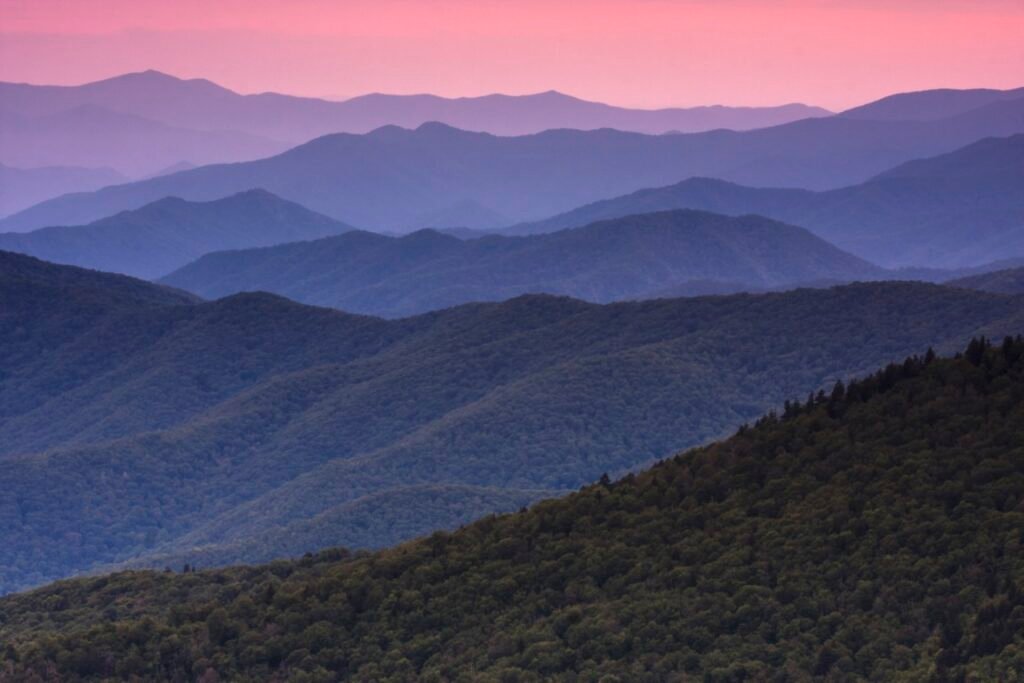
Let’s start with the crown jewel of East Coast national parks for families — the most visited national park in the entire country, and the only major one with zero entry fee. The Great Smoky Mountains welcomed over 12 million visitors in 2024, and there’s a very good reason for that number: it delivers on every front.
For families with younger children, the Laurel Falls Trail is the gold standard East Coast family hike. This paved, 2.6-mile round trip trail through old-growth forest ends at one of the most beautiful waterfalls in the Appalachians. The pavement means strollers can handle at least the first stretch, and the wide path lets little ones wander without parents having a heart attack every ten seconds. The Cades Cove Loop is another classic — an 11-mile valley drive (or bike ride) through open meadows where white-tailed deer and black bears make frequent appearances. Wildlife sightings here have a magical way of uniting even the most disengaged children with the great outdoors.
For older kids and tweens who want more of a challenge, the Alum Cave Trail (4.4 miles round trip) passes through fascinating geology including arch formations and an overhanging bluff — it feels like an adventure movie set and usually gets enthusiastic reviews from kids who normally complain about hiking.
Kid-friendly activities beyond hiking: The park’s Junior Ranger program is excellent and runs across multiple visitor centers. The historic Cades Cove area also features preserved 19th-century cabins, grist mills, and a working farmstead — a living history lesson that’s surprisingly engaging for kids. In June, the synchronized firefly event in Elkmont draws huge crowds for a very good reason: thousands of fireflies flashing in unison is genuinely one of the most magical natural spectacles in North America.
Family tip: Summer weekends are intensely crowded. Arrive at trailheads by 8am or plan to visit in late September to early October when the foliage starts turning and the crowds thin out. And seriously — no entrance fee means no excuse not to come back more than once. Want something more convenient? Check out this Smoky Mountain Guided Scenic High Van Tour.
2. Acadia National Park (Maine)
Best for: Families who want variety — ocean, mountains, and forests all in one place Best season: June to September (summer is peak; June has the fewest crowds) Entry fee: $35/vehicle (covered by America the Beautiful pass)
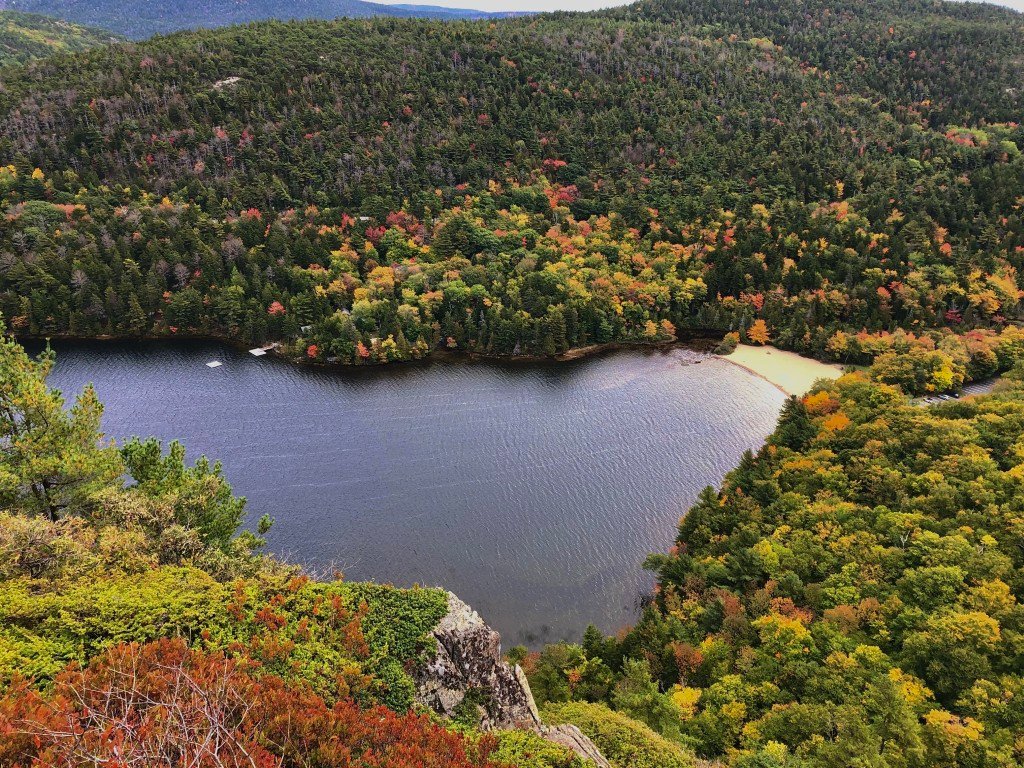
Acadia is the East Coast’s most iconic national park and arguably its most beautiful. Perched on Mount Desert Island in coastal Maine, the park combines rugged Atlantic coastline, granite peaks, glacial lakes, and those famous carriage roads into one remarkably accessible package. It’s no surprise that Acadia drew nearly 4 million visitors in 2024.
For families with kids of all ages, the Jordan Pond Path is essential. This gentle 3.3-mile loop circles a stunning glacier-formed lake with the rounded peaks of the Bubbles reflecting on the water — genuinely one of the most scenic easy walks in any national park anywhere. The loop ends conveniently at the Jordan Pond House, where a tradition of afternoon tea and famous popovers has been going strong for well over a century. Yes, you should absolutely do this. The kids will remember it.
For younger children or those in carriers, the Ocean Path is nearly flat and hugs 4 miles of dramatic coastline from Sand Beach to Otter Point. Along the way, you’ll pass Thunder Hole — a narrow sea inlet where waves compress and explode with a booming sound that sends spray shooting upward. Timing your visit near high tide turns Thunder Hole into an event the whole family talks about for the rest of the trip.
The carriage road network deserves its own mention. Built by John D. Rockefeller between 1913 and 1940, the 45 miles of packed gravel paths are completely car-free — which means family bike rides without the stress of traffic. Bikes and trailer attachments for young kids are available for rent in Bar Harbor. It’s one of the most pleasant cycling experiences you’ll find anywhere.
For tweens and older kids ready for a real summit, the South Bubble (3 miles round trip, lots of rock scrambling) delivers panoramic views and the irresistible challenge of pushing a giant perched boulder at the top — a photo opportunity that has entertained generations of park visitors.
Kid-friendly activities beyond hiking: Tide-pooling along the rocky coastline is a highlight for younger kids — starfish, crabs, periwinkles, and sea anemones all appear at low tide. The Abbe Museum in Bar Harbor covers 12,000 years of Wabanaki Native American culture with hands-on exhibits kids genuinely engage with. Horse-drawn carriage rides along the historic carriage paths are also available and make for a uniquely memorable afternoon.
Family tip: Reserve your Cadillac Summit Road vehicle permit well in advance on recreation.gov if you plan to drive up — it’s required from late May through mid-October and fills quickly. Or join this Bar Harbor Premium Tour with Cadillac Mountain and Acadia Park. Also note that Bar Harbor is a cruise ship port, so weekday mornings in summer can feel very crowded in town. Hit the trails early and save town for the evening.
3. Shenandoah National Park (Virginia)
Best for: East Coast families within driving distance of Washington D.C., waterfall hunters Best season: April–May for wildflowers; October for fall foliage Entry fee: $35/vehicle
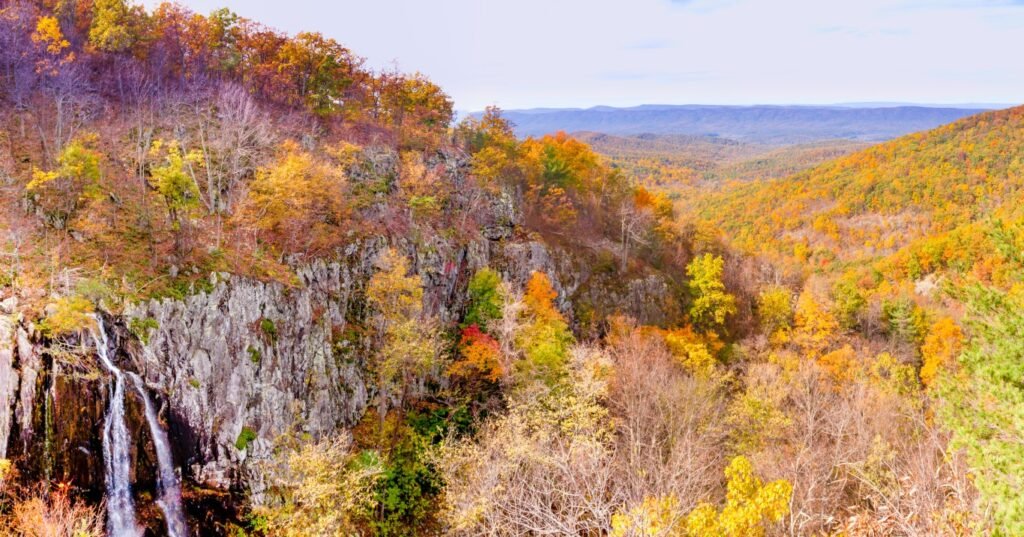
If you live anywhere in the mid-Atlantic corridor — Virginia, Maryland, D.C., Pennsylvania, or New Jersey — Shenandoah is your closest world-class national park, and it’s significantly underused. Located just about two hours from Washington D.C., the park stretches along a narrow 105-mile ridgeline in the Blue Ridge Mountains, and the entire thing is threaded by Skyline Drive — one of the most scenic roads on the entire East Coast.
The park’s layout makes it almost uniquely family-friendly: nearly all the trailheads are right off Skyline Drive, meaning you can park, hike, return to the car, snack, drive to the next overlook, and repeat. There’s no committing to a multi-hour approach before the actual hike begins.
For the youngest hikers, the Limberlost Trail (1.3-mile loop at mile marker 43) is the standout pick. It’s a designated TRACK Trail with a self-guided interpretive brochure for kids, more than 15 benches along the route, and a wide, gentle path through beautiful hemlock forest. Kids in Crocs can handle this one — which is saying something.
Dark Hollow Falls (1.4 miles round trip at mile marker 50.7) is the park’s most beloved family hike and for very good reason. The trail descends 400 feet through the forest to a gorgeous 70-foot waterfall where kids can splash in the pools at the base. The descent is easy; the climb back up provides just enough challenge to feel like an accomplishment. Do this one first thing in the morning — the parking lot fills fast.
For a short hike with a massive view payoff, Stony Man Trail (1.6 miles round trip) delivers sweeping Shenandoah Valley vistas with minimal effort. This is the one to do if your group has mixed hiking ability and you want everyone to feel like they earned something.
Older kids and tweens who want more adventure should look at Hawksbill Summit (2.1 miles round trip), which takes you to the park’s highest point at just over 4,000 feet, with 360-degree views of the valley and the Blue Ridge Mountains. The payoff at the top is genuinely spectacular.
Kid-friendly activities beyond hiking: The Big Meadows area is a large grassy clearing where white-tailed deer graze almost constantly — it’s the easiest wildlife viewing in the park. The Byrd Visitor Center at Big Meadows also stocks blackberry ice cream (the blackberries grow wild throughout the park) and Junior Ranger booklets. The Appalachian Trail runs directly through Shenandoah for over 100 miles — even walking a short stretch of it and telling the kids they’re on a trail that runs from Georgia to Maine tends to spark genuine awe.
Family tip: Because the park sits on a ridge, it’s cooler than the surrounding valleys — pack a light jacket even in summer. Also note that the southern end of the park features longer, less-traveled hikes that are perfect if you want to escape the crowds. The north end near Front Royal is closest to D.C. and therefore busier. If you want a private small-group tour, you can join the Shenandoah Private Skyline Drive Day Tour From Washington DC.
4. Everglades National Park (Florida)
Best for: Wildlife-obsessed kids, families visiting Florida who want more than beaches Best season: November through April (dry season) Entry fee: $35/vehicle
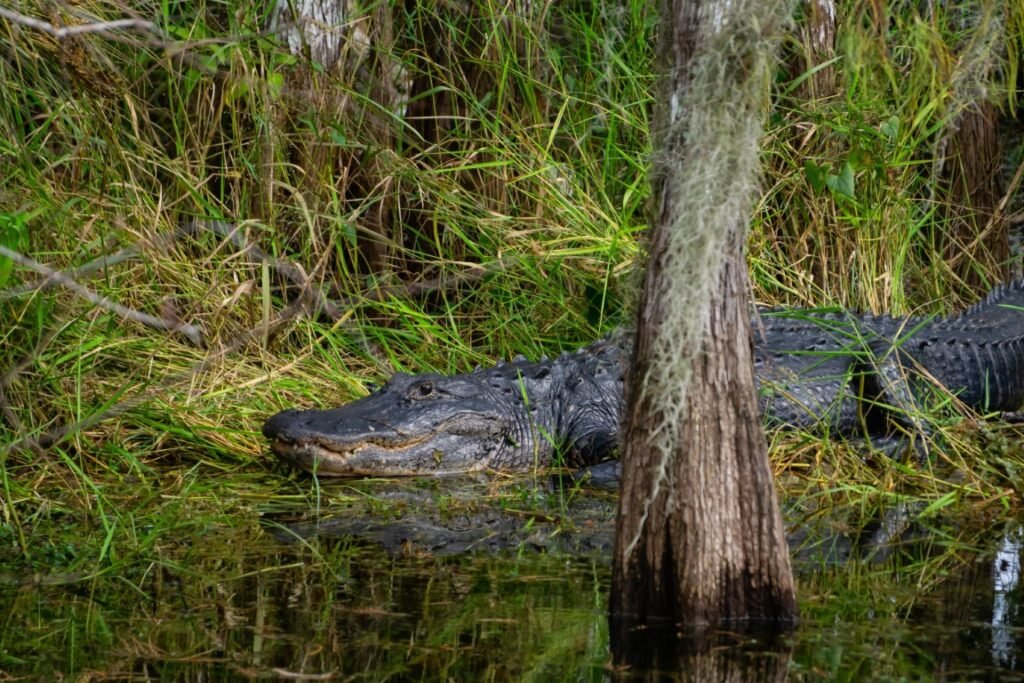
The Everglades is the most unusual national park on this list, and probably the most surprising family destination. It’s not a park you hike through in the traditional sense — it’s a park you experience. And what an experience it is. Alligators sunning themselves three feet from a paved trail. Roseate spoonbills wading through pink-tinged water. Manatees surfacing near the Flamingo dock. Kids who arrive skeptical tend to leave completely converted.
The single best introduction to the park for families is the Anhinga Trail at the Royal Palm Visitor Center. This 0.8-mile paved and boardwalk loop is flat, fully accessible, and so densely packed with wildlife that it sometimes feels like walking through a nature documentary. Alligators are almost guaranteed, as are anhingas (the large water bird spreading its wings to dry), herons, turtles, and during winter, ibis by the dozen. It’s consistently rated one of the best short nature walks in America, and it earns that reputation every single visit. The companion Gumbo Limbo Trail (0.4 miles, fully paved, stroller-friendly) runs through a tropical hardwood hammock just steps from the same parking lot — do both in one stop.
At Shark Valley, the park takes on a completely different character. The 15-mile paved loop road is flat and car-free, making it perfect for biking (rentals available on-site) or the narrated tram tour. Halfway along the loop, a 65-foot observation tower gives you an aerial view of the sawgrass river stretching to the horizon in every direction. The alligator density along this road is remarkable — and genuinely thrilling for kids.
Kid-friendly activities beyond hiking: An airboat tour is the quintessential Everglades experience for families, and kids — especially older ones — absolutely love it. The speed, the sound, and the sense of skimming across open water while spotting wildlife is unlike anything else. Ranger-led programs run throughout the dry season from all four visitor centers and include wildlife walks, Junior Ranger swear-ins, and narrated boat tours in the Gulf Coast section. Join this Everglades National Park Biologist Led Adventure: Cruise, Hike + Airboat.
Family tip: Visit strictly between November and April. The summer wet season brings oppressive heat, humidity, clouds of mosquitoes, and afternoon thunderstorms that make the park genuinely difficult to enjoy with children. Come for winter and you’ll experience exceptional wildlife viewing, comfortable temperatures, and the park at its very best. Also bring strong insect repellent even in the dry season — this is still the Everglades.
5. Cuyahoga Valley National Park (Ohio)
Best for: Midwest families, parents looking for an easy underrated gem, waterfall lovers Best season: Spring through fall; stunning in October for fall color Entry fee: FREE
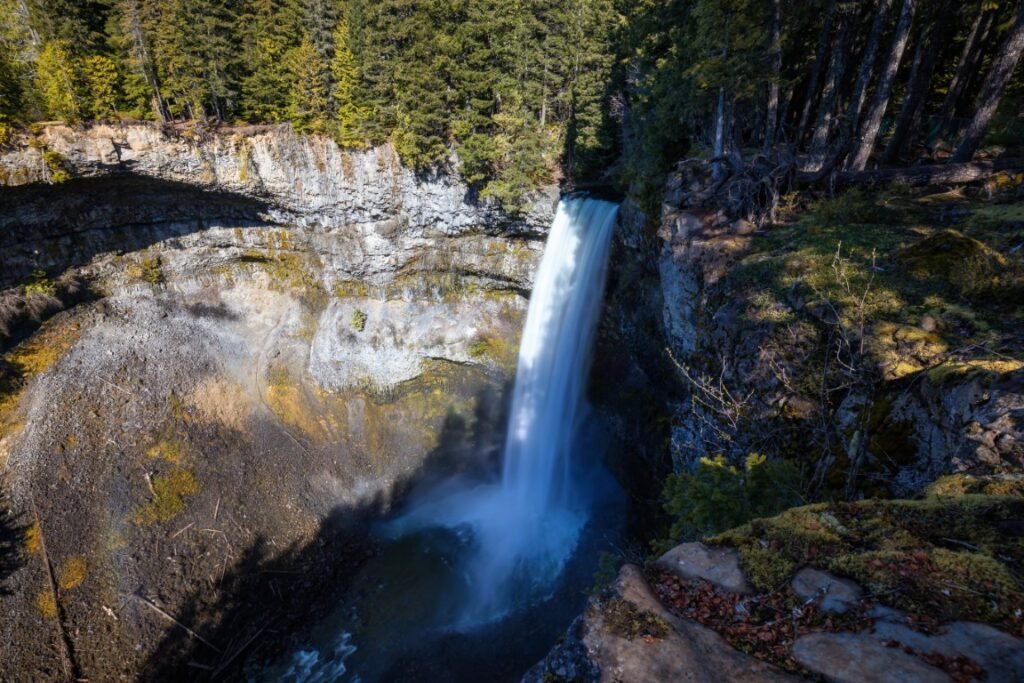
Here’s the East-adjacent sleeper pick that consistently surprises every family that visits. Cuyahoga Valley is tucked between Cleveland and Akron, Ohio — and the fact that it’s a national park at all still catches people off guard. But it absolutely earns the designation, with 33,000 acres of river valley, forested trails, historic canal infrastructure, working farms, and one extraordinary waterfall that should be on every Midwestern family’s list.
Brandywine Falls is the star attraction, and it delivers. A short boardwalk trail (about 1.5 miles round trip from the main parking area, or a five-minute walk from overflow parking) leads to a 65-foot waterfall tumbling over layered sandstone into a shaded gorge. The boardwalk offers both an upper overlook and a lower platform for close-up views — ideal with young children who can’t scramble down wet rocks. It’s one of the most accessible “wow moments” of any national park anywhere.
The Ledges Trail (2.4-mile loop) is the park’s best family hike. It winds through ancient Sharon conglomerate rock formations — massive layered ledges draped in moss that kids absolutely love exploring, squeezing through, and climbing on. The trail is well-marked, mostly shaded, and comfortable for children from about age five and up.
For younger children or families who want to take it very easy, the Beaver Marsh Boardwalk (part of the Ohio and Erie Canal Towpath system) is a gentle stroll through a restored wetland where beaver activity is visible, great blue herons stalk the shallows, and turtles sunbathe on logs. It’s the kind of trail where you let the three-year-old set the pace and somehow still have a great time.
The Cuyahoga Valley Scenic Railroad deserves special mention: it’s the only excursion railroad that runs through a national park in the United States. Vintage 1950s coaches carry passengers through the heart of the park on a narrated journey — and it’s an absolutely brilliant option for families with very young children, rainy days, or anyone who wants to see the park from a different perspective. Book tickets in advance; they sell out.
Kid-friendly activities beyond hiking: The historic Everett Covered Bridge — the last remaining covered bridge in Summit County — is a short, flat walk from its parking area and makes for a lovely photo stop. The canal history of the park is well-interpreted at the Canal Exploration Center, where kids can learn about the mule-drawn boats that once traveled these waterways. And if you visit in fall, the nearby Szalay’s Farm on the park’s edge runs a fantastic pumpkin patch and corn maze.
Family tip: Cuyahoga is free and has multiple road access points, which means it never feels as overwhelming as bigger western parks. It’s a great “starter” national park for families who haven’t done one before. The park is also only 25 minutes from Cleveland Hopkins International Airport — making it very easy to add to a Cleveland city trip. Take off on your own with this Cuyahoga Valley National Park Self-Guided Driving Audio Tour.
Planning Your East Coast National Park Trip: Practical Tips
The America the Beautiful Pass is worth every penny. At $80 per year, it covers entrance fees at every national park and federal recreation site. Given that Acadia and Shenandoah both charge $35 per car, the pass pays for itself in just two visits. Great Smoky Mountains and Cuyahoga Valley are free regardless.
Book early for peak season. Acadia in particular books up quickly in July and August — both campgrounds and the Cadillac Mountain vehicle reservation. If summer is your only option, plan three to six months ahead.
Shoulder seasons are your secret weapon. June and September hit the sweet spot at most East Coast parks: comfortable temperatures, manageable crowds, and full park services. October is particularly magical at both Great Smoky Mountains and Shenandoah when the fall foliage peaks.
Download offline maps before you leave. Cell service is unreliable inside most national parks. Download the NPS app and AllTrails maps while you still have a signal.
Start every park visit at the visitor center. Rangers can tell you about trail conditions, current wildlife sightings, and ranger-led programs you might not know about. It’s also where you grab Junior Ranger booklets — which, as any family that’s done one will tell you, fundamentally improves the visit for kids of every age.
Ready to Explore?
The East Coast national park lineup is genuinely impressive — and it gets more credit every year as families discover what’s been hiding in their own backyard. Whether you’re driving two hours from D.C. to Shenandoah, making a long weekend of Acadia from Boston, combining the Everglades with a Florida beach trip, or discovering that Ohio has a legitimate national park worth making the effort for, the East Coast delivers.
You don’t need to fly across the country to give your kids a national park experience that sticks with them. You just need to pick one, show up early, pack more snacks than seems reasonable, and let the park do the rest.
Want to explore more? Check out our complete guide to the best national parks for families.